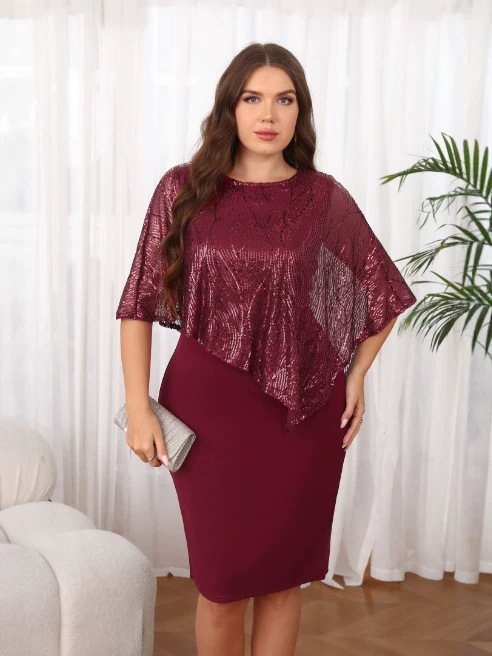
Few decisions in women’s dressing carry as much quiet authority as hemline length. A dress that falls just below the knee reads as spirited and direct, while one that sweeps the floor announces a different kind of ease, one that suggests the wearer has nowhere to be in a hurry. The debate over midi vs maxi dresses is therefore more than a question of fabric yardage. It is a question of proportion, posture, and the social register of an event. Length determines where the eye rests, how the body is divided visually, and whether a garment looks deliberate or merely adequate. Etiquette has always informed these choices. A midi suits the daytime wedding, the gallery opening, the business lunch that has tipped into cocktails, and the summer supper where comfort and polish must coexist. A maxi has traditionally belonged to the evening, the garden party, the resort terrace, and the formal affair where floor-skimming fabric signals occasion. Yet the boundaries have softened considerably. Contemporary styling rewards the wearer who understands the rules well enough to bend them, and the modern closet rewards versatility. The purpose of this guide is to give you the structural and tactile reasoning behind the choice, so that you can select a length based on your own frame, the fabric in hand, and the room you are entering rather than on a seasonal trend report. Read it as a working manual. The principles that follow apply whether you are shopping for a single occasion piece or building a wardrobe capable of covering a full calendar of invitations, from the first warm weekend of spring to the final formal dinner of the year.
1. Silhouette and Proportion: Where the Hemline Lands on the Body
Proportion begins with a simple optical fact: a hemline divides the figure, and the location of that division shapes how height, leg line, and torso read to an observer. A midi, generally finishing between the mid-calf and just below the knee, creates a horizontal break that draws attention to the lower leg. This makes it an excellent choice for the wearer who wishes to show shape at the ankle and calf, particularly when paired with a defined waist. The eye travels down, catches on the exposed or partially exposed leg, and returns up through the bodice. A maxi, which typically reaches the ankle or grazes the floor, performs the opposite function. It elongates the silhouette, consolidates the figure into one continuous vertical line, and minimizes the visual weight of the feet. For many dressers this produces an effect of height and composure, which explains the enduring appeal of the floor-length column.
The relationship between hemline and waist is where most styling succeeds or fails. A high or clearly marked waist paired with a midi reads as tailored and intentional, since the defined point anchors the garment and the lower skirt flows away from it. A maxi benefits from a waist that is either emphasized through a belt or seam or, alternatively, left undefined in a relaxed empire or drop-waist cut that flatters the ease of the fabric. An empire line lifts the bust and skims the midsection, creating a long, unbroken plane that suits the maxi particularly well. Conversely, a midi with a dropped waist can look truncated if the hem sits at an awkward point on the calf, so the exact placement of the hem relative to the widest part of the calf matters enormously.
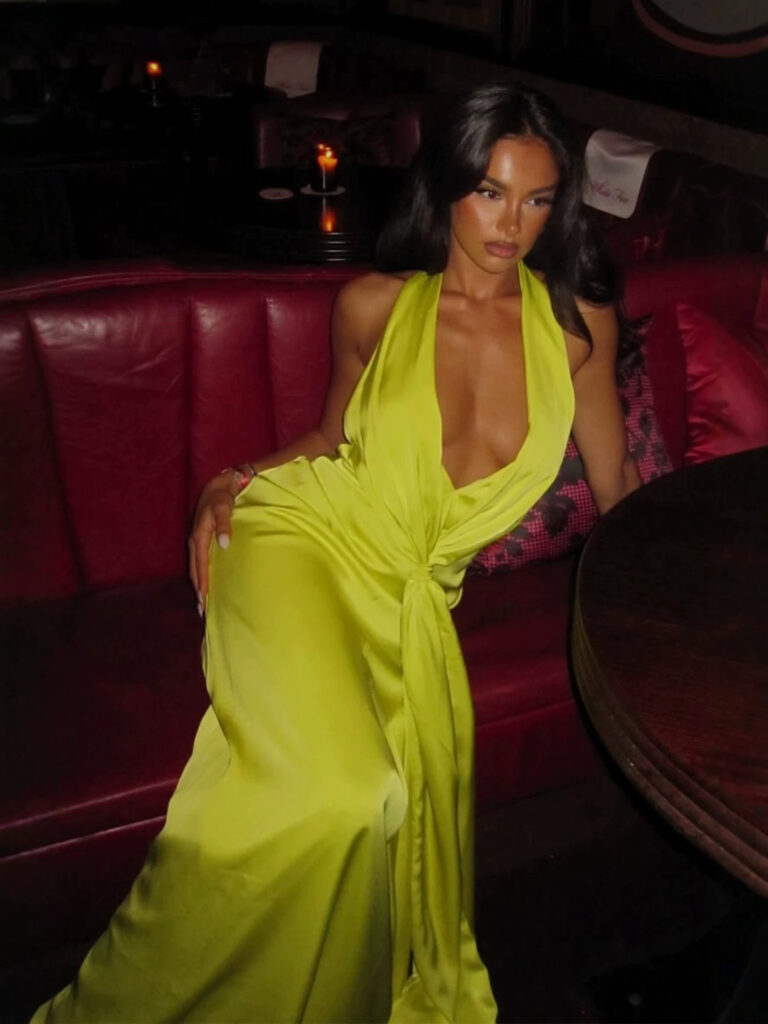
Consider the strongest styling lines available within each length. A midi in an A-line or fit-and-flare silhouette offers structure and movement, and the flare gains energy from a hemline that stops just above the knee or at the narrowest part of the calf. A maxi in a bias-cut column or a bohemian tiered shape gains its character from uninterrupted vertical flow. For example, the Nadege Elegant Tassel Maxi Evening Dress demonstrates how a floor-length piece can carry a sense of ceremony through its drape and detailing, since the length itself becomes part of the statement. Choose the cut first, then the length, and you will find the proportion resolves more naturally.
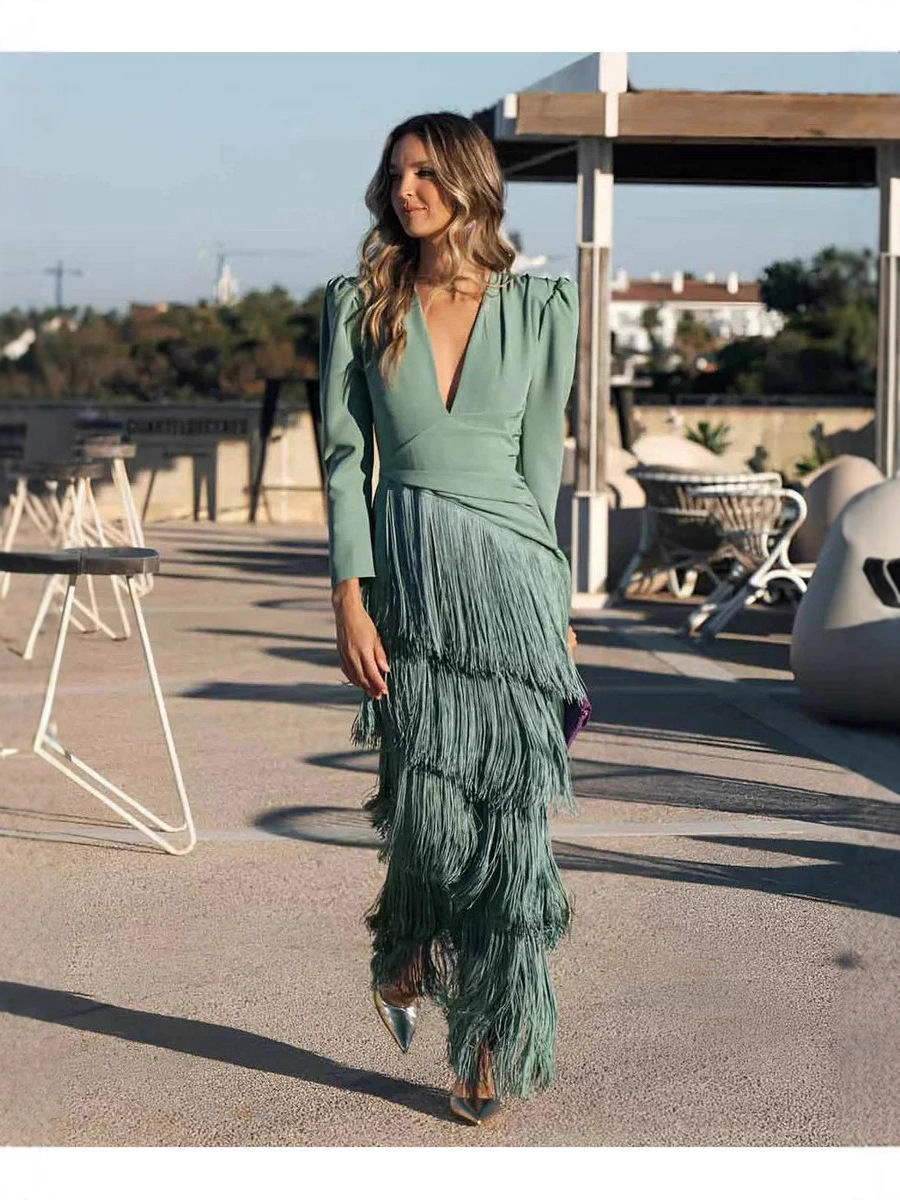
A floor-length evening maxi, where the hemline itself carries the sense of occasion.
Finally, remember that the body is not a static diagram. Movement changes proportion. A midi that looks poised while standing may swing or tighten when walking, and a maxi may drag or catch when stepping onto a stair. Evaluate both lengths in motion before committing.
2. Textile Weight, Weave, and Drape: Why Fabric Dictates Length
The fabric in a dress decides whether a given length will hang gracefully or collapse into an awkward shape. Weight is measured in grams per square metre (GSM), and the figure matters more than most shoppers realize. A lightweight crepe or chiffon in the range of 70 to 110 GSM will fall loosely, billow with air, and cling only where it is cut to do so. This suits the long maxi, since the mass of the fabric is low enough that the hem does not pull the whole garment downward. A heavier fabric, such as a structured crepe, a double-faced satin, or a ponte knit in the 250 to 350 GSM range, has enough substance to hold a midi shape cleanly, maintaining a crisp line at the knee without requiring constant adjustment. Using a heavy fabric at full maxi length can produce pooling, sagging at the back hem, and an unflattering weight distribution that drags the shoulders forward.
Weave and grain add another layer of control. A straight-grain cut, where the warp threads run vertically along the length of the garment, is stable and resists stretch, making it ideal for structured midis with defined pleats or princess seams. A bias cut, with the fabric cut at forty-five degrees to the grain, exploits the diagonal stretch of woven cloth so the material drapes and clings fluidly. Bias-cut maxis are classic because they follow the body and let the hem ripple with each step. However, bias-cut midis can become unstable at the hem, so most designers either hold the bias to the bodice or use it only in the skirt with careful weighting.
The table below compares how common fabric families behave across the two lengths.
| Fabric Family | Typical Weight | Best Midi Pairing | Best Maxi Pairing |
|---|---|---|---|
| Chiffon | 70 to 110 GSM | Layered, tiered skirts for daytime events | Floor-length evening and resort wear |
| Crepe | 150 to 220 GSM | Structured A-line and sheath silhouettes | Column gowns with controlled drape |
| Printed Viscose or Rayon | 100 to 150 GSM | Relaxed day dresses with gathered waists | Bohemian maxis with fluid movement |
| Satin or Charmeuse | 90 to 140 GSM | Cocktail midis with sheen | Bias-cut evening gowns |
| Ponte or Knit | 250 to 350 GSM | Bodycon midis with structure | Rarely recommended at full length |
Printed fabrics demand particular attention. A large-scale floral print gains dimension when the garment is long enough to show the full repeat along the skirt, so a bohemian print often works best in a maxi where the pattern can flow. The Romane Floral Print Bohemian Maxi Dress illustrates how a rayon-type print in a lighter weight rewards floor length, since the movement of the cloth reveals the repeat in every step. A small or geometric print, by contrast, can look busy at maxi length and is often more polished as a midi.
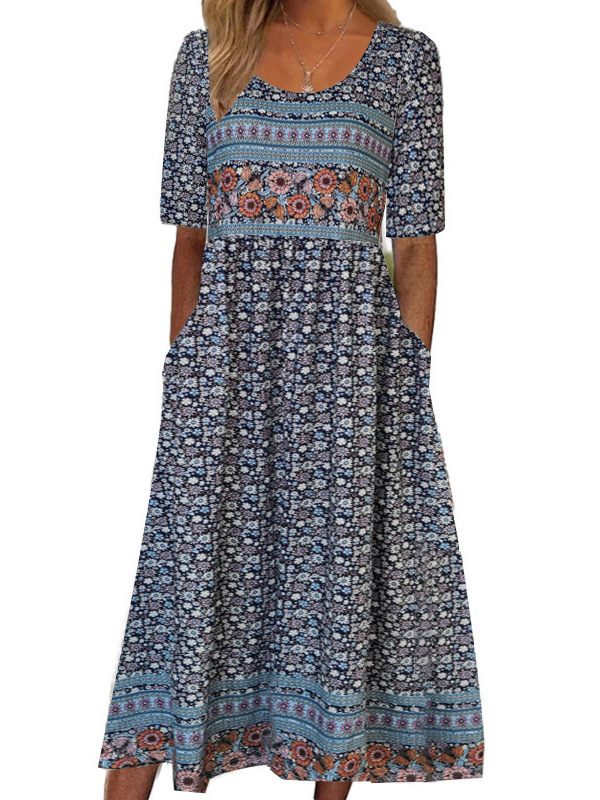
A lightweight printed viscose allows a bohemian maxi to ripple with movement.
3. Garment Construction and Tailoring: Seams, Hems, and Internal Support
Length exposes construction. A midi that is poorly tailored will reveal every flaw at the knee, where the skirt is narrowest and any uneven hem or misaligned side seam becomes visible. A maxi hides small errors within its volume but magnifies problems in its hang, since gravity acts on the full length of the fabric. Good construction begins with seam allowances. A standard seam allowance of 1.5 to 2 centimetres provides room for alteration and prevents fraying, while a generous hem allowance of 5 to 7 centimetres on a maxi permits lengthening or re-hemming without losing the designed line. Bias-cut garments benefit from longer hem allowances because the cloth stretches over time and may need to be shortened after a season of wear.
Hem finish is equally consequential. A rolled hem suits chiffon maxis, creating a fine, almost invisible edge that keeps the lightweight fabric from twisting. A blind-stitched hem with a fused or turned allowance works well on crepe midis, delivering a clean line without visible stitching. A bias-bound hem, in which a narrow strip of matching fabric encloses the raw edge, is often used on bias-cut evening gowns to add weight and prevent the hem from rising in the back. Heavier hems, sometimes weighted with a short chain or a lead tape sewn into the lower edge, help a maxi fall straight, and this detail is worth checking when you examine a garment.
Internal support is where length meets structure. A midi with a fitted bodice frequently includes boning in the side seams or along the princess seams, which stabilizes the torso and keeps the waistline from creeping upward. A grosgrain waist stay, a narrow ribbon stitched inside the waistband, prevents the waist seam from stretching under the weight of a skirt. Silicone grip tape, sewn at the bust and along the neckline, keeps a dress from shifting when the body moves, and it is especially useful on a maxi where a slipping bodice can drag the entire garment out of alignment. Many bodycon midis and maxis incorporate a lining or an inner slip; the slip should be cut to the same length as the outer skirt so that it does not peek out at the hem or cling to the legs.
Finally, inspect the grain. A dress whose side seams are not perpendicular to the hem will twist, and the twist becomes obvious at maxi length. Hold the garment up, check that the centre front falls straight, and confirm that the hem sits level from front to back. These checks take a minute in a fitting room and save considerable frustration later.
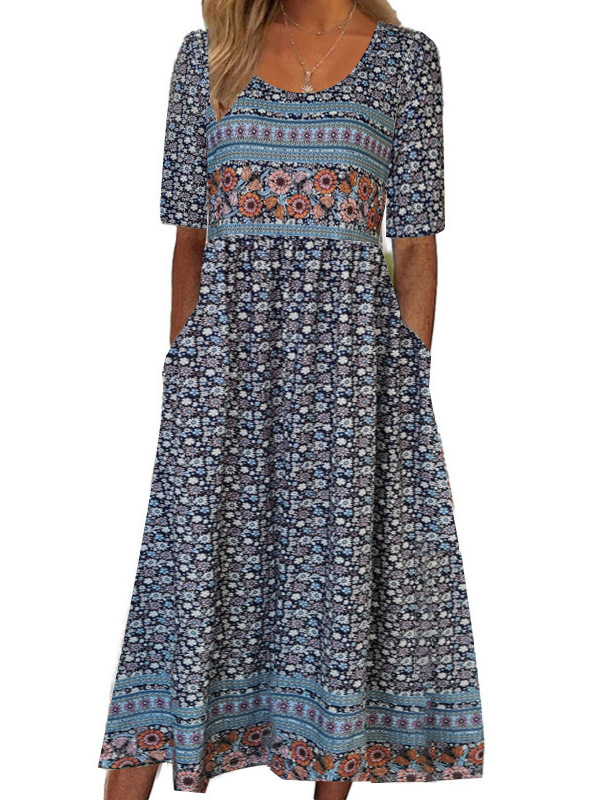
Examine hem finish and side-seam alignment before committing to a floor-length cut.
For readers who wish to study historic hemline construction and the evolution of skirt engineering, the Victoria and Albert Museum fashion collection offers extensive examples of cut, boning, and hem finishing across centuries. The Costume Society publishes research on garment conservation that clarifies how fabrics age and how hems are best maintained.
4. Footwear, Outerwear, and Accessories: Completing the Length
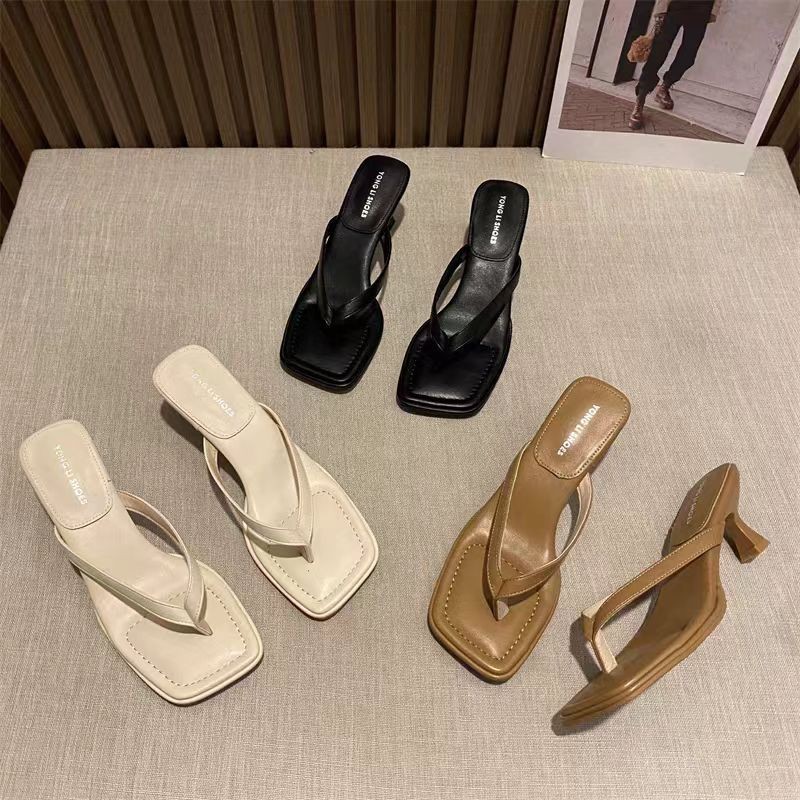
Shoes change everything beneath a hemline. A midi is most often styled with a pointed-toe heel, a block heel, or a strappy sandal that shows the ankle or lower calf, since the visible portion of the leg creates the intended break. A flat sandal shortens the leg visually and works well for daytime midis where comfort is paramount. A maxi, by contrast, is designed to conceal footwear, so the choice of shoe matters for comfort and for the height of the hem. Wear heels of the intended height when the garment is hemmed; a maxi tailored for a four-centimetre heel will drag on a flat shoe, and one hemmed for flats will rise awkwardly when heels are worn. Platforms and wedges are classic partners for a bohemian maxi, offering height without the sharpness of a stiletto that might catch on fabric.
Outerwear follows a similar logic. A tailored blazer or a cropped jacket pairs naturally with a midi, because the shoulder line and the lower skirt create a balanced, contemporary proportion. A long duster, a wool wrap, or a structured trench suits the maxi, since the coat can match or complement the length without fighting it. Avoid layering a short, heavy jacket over a floor-length skirt unless the overall silhouette is intentionally asymmetrical; the division can look abrupt. Denim jackets work across both lengths, though they read more casual at maxi length and more polished when the midi is in a crisp fabric.
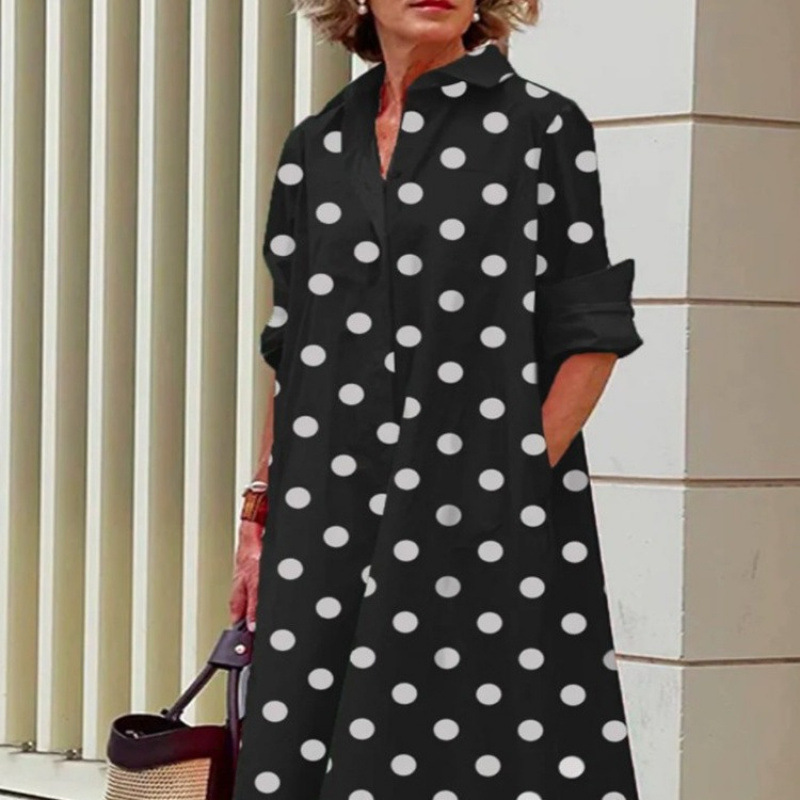
Midi hemlines leave the ankle visible, pairing naturally with sleek boots or minimalist heels and hip-skimming outerwear.
Accessories should respond to the dominant line of the outfit. With a midi, a structured handbag, a defined belt, or statement earrings add emphasis to the upper body and keep the eye balanced. With a maxi, consider a longer necklace, a layered pendant, or a slim crossbody bag that does not compete with the vertical flow. Hats are most at home with maxis in resort or garden settings, where a wide brim frames the face above a long, flowing silhouette. A bag that is too large can overwhelm a midi and disrupt its proportion, so choose scale carefully.
Consider the occasion when assembling the full look. A daytime wedding favours a midi with block heels, a tailored jacket, and a clutch. A summer evening on a terrace favours a maxi with platforms, a light wrap, and minimal jewellery. The same dress can change registers simply through its footwear and outerwear, which is why a versatile length is so valuable in a working wardrobe.
5. Fit Troubleshooting and Real-World Adjustments
Even the best-designed dress will require adjustment, and length problems are among the most common. If a midi sits at the widest part of the calf, it will look heavy and cut the leg in an unflattering place. The solution is to shorten or lengthen the hem so that it lands at the knee or at the narrowest point of the calf, depending on the silhouette. A tailor can usually make this change in a single fitting if the hem allowance is adequate. Before alteration, test the length with the shoes you intend to wear, sit down, and walk for several minutes. Hemlines appear to shift when the body bends, and a midi that feels correct standing may ride up at the knee when seated.
Maxi troubleshooting centres on drag, balance, and hang. If the hem drags on the back, check whether the garment has been hemmed evenly from front to back; many bias-cut dresses stretch more on one side and must be adjusted accordingly. If the dress pulls at the shoulders or sits forward, the bodice may be too heavy for the skirt, and a grip tape at the bust or a lighter lining can help. If the maxi pools at the feet when standing, it is likely too long for the wearer’s height or too heavy for the fabric; a tailor can take up the hem, or you can reduce the lining weight. Bias-cut maxis are especially susceptible to sagging after several wears, so store them flat or hanging from the shoulder loops rather than folded over a rail, and steam rather than press the hem.
Fabric choice can also rescue a length that is not quite right. A midi that feels too stiff can be softened with a lightweight lining, while a maxi that clings too much at the thigh may benefit from a slight increase in ease through the hip. Measure your own proportions honestly. A guide that suggests a single ideal length for all bodies ignores the variables of height, leg length, and posture. Take a moment to stand in front of a mirror in the shoes you intend to wear, note where the hem falls relative to the knee and calf, and compare that to the photographs and dimensions provided with the garment.
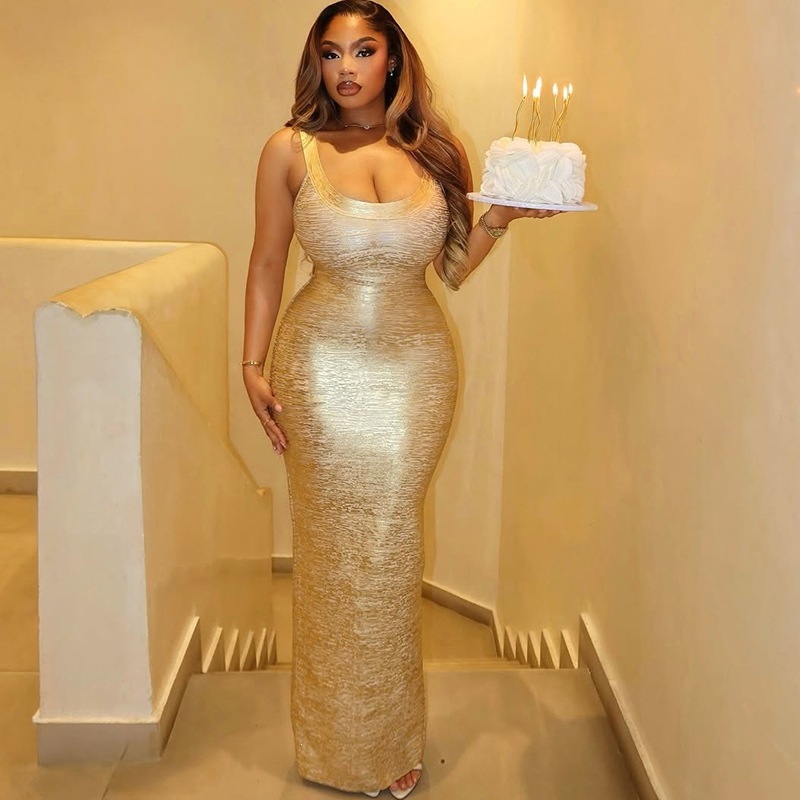
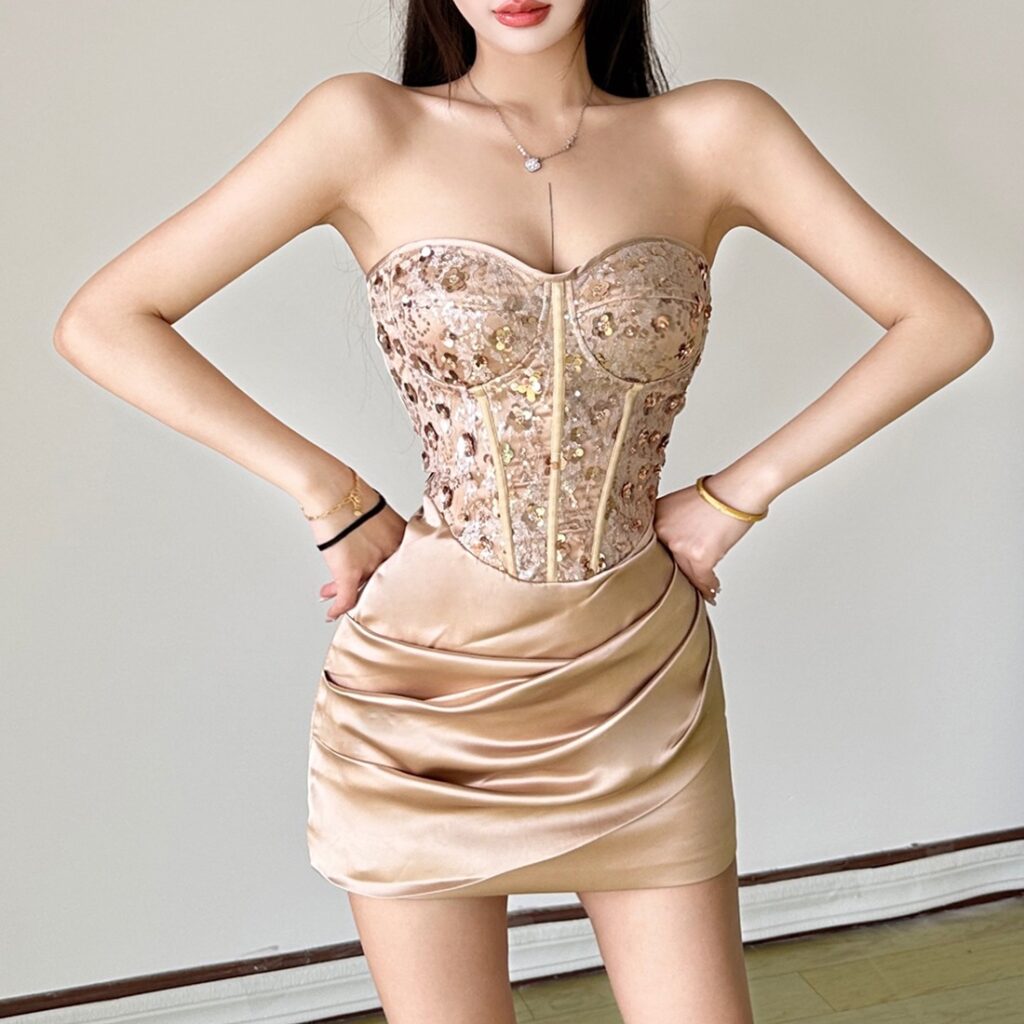
A fitted maxi reveals hip and waist fit clearly, so check ease through the hip before hemming.
Finally, accept that some garments are designed for a specific frame. A petite wearer may find a standard maxi overwhelming and benefit from a midi with a higher hem, while a tall wearer may find a midi clips the calf and prefer the consistency of a full-length cut. The goal is not to conform to an abstract rule but to choose the length that makes the body look most resolved in the fabric you have chosen.
The Styling Takeaway
The choice between a midi and a maxi is ultimately a decision about proportion, fabric behaviour, and occasion, and each of these variables can be assessed with some discipline. Begin with the body: consider where the hemline will divide the figure, how the waist anchors the silhouette, and whether the leg line should be emphasized or elongated. Then consider the cloth. A lightweight chiffon or printed viscose invites the floor-length flow of a maxi, while a structured crepe or a satin with body suits the clean break of a midi. Examine construction closely, looking for hem allowance, internal support, grosgrain waist stays, and grip tape that will keep the garment stable through a full day of wear. Finally, complete the look with footwear, outerwear, and accessories suited to the event, and remember that the same garment can shift registers simply through its shoes and jacket.
For most wardrobes, the strongest approach is to own both lengths and to select deliberately. A well-made midi in a versatile crepe will carry you through daytime commitments, professional events, and warm-weather evenings, while a maxi in a thoughtful print or a column gown in a fluid bias cut will serve for formal evenings, resort travel, and occasions that call for ease and presence. Treat length as a styling tool rather than a rule, and your choices will read as considered rather than conventional.