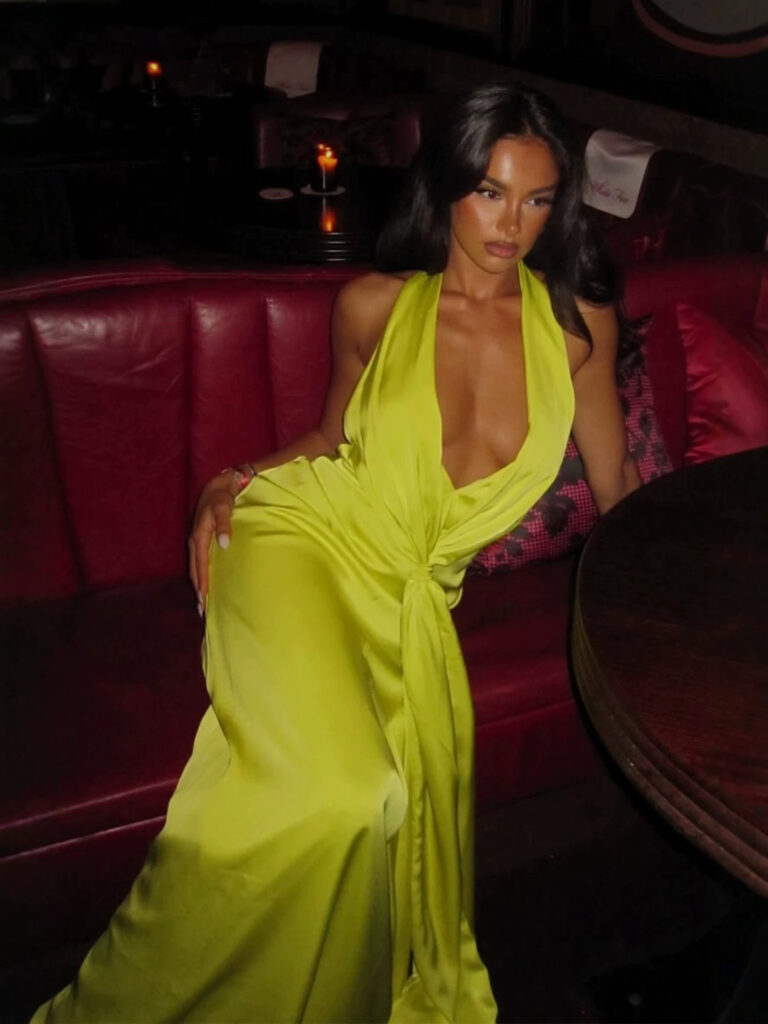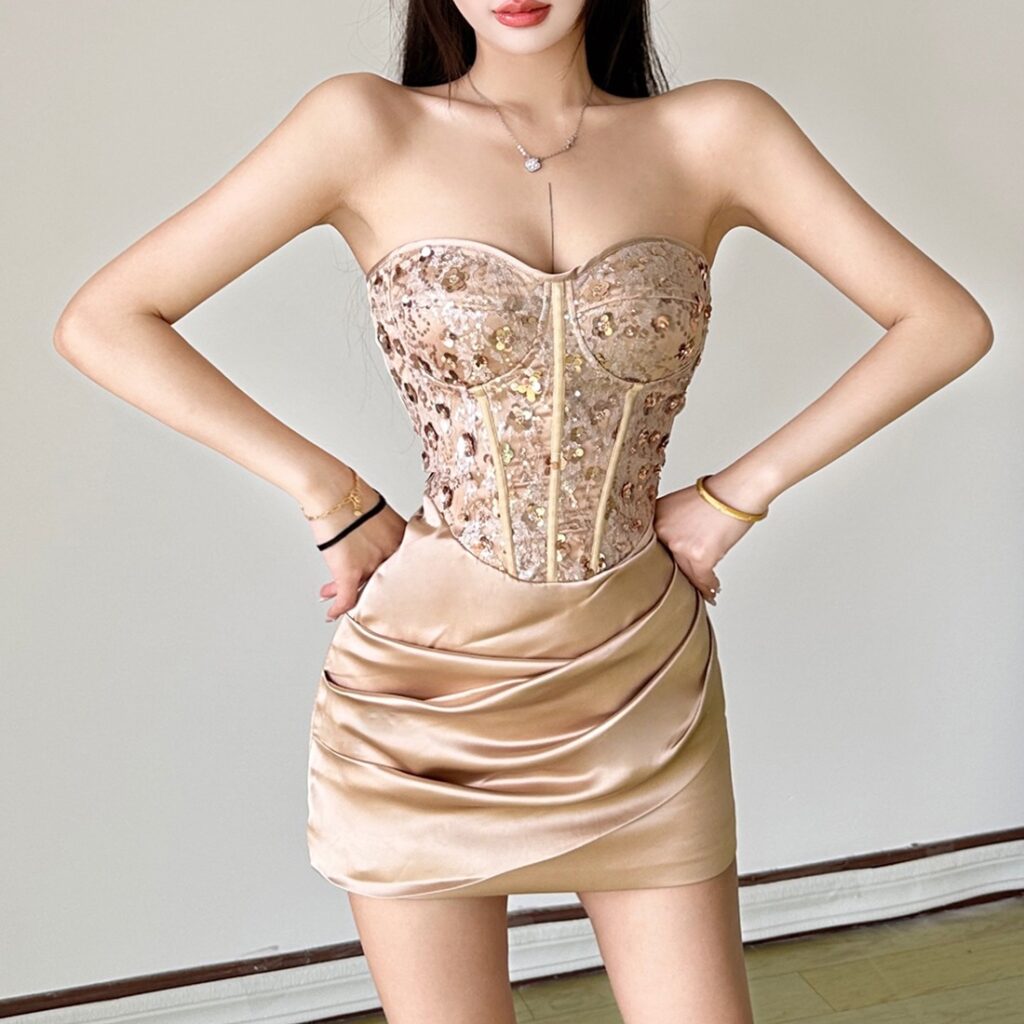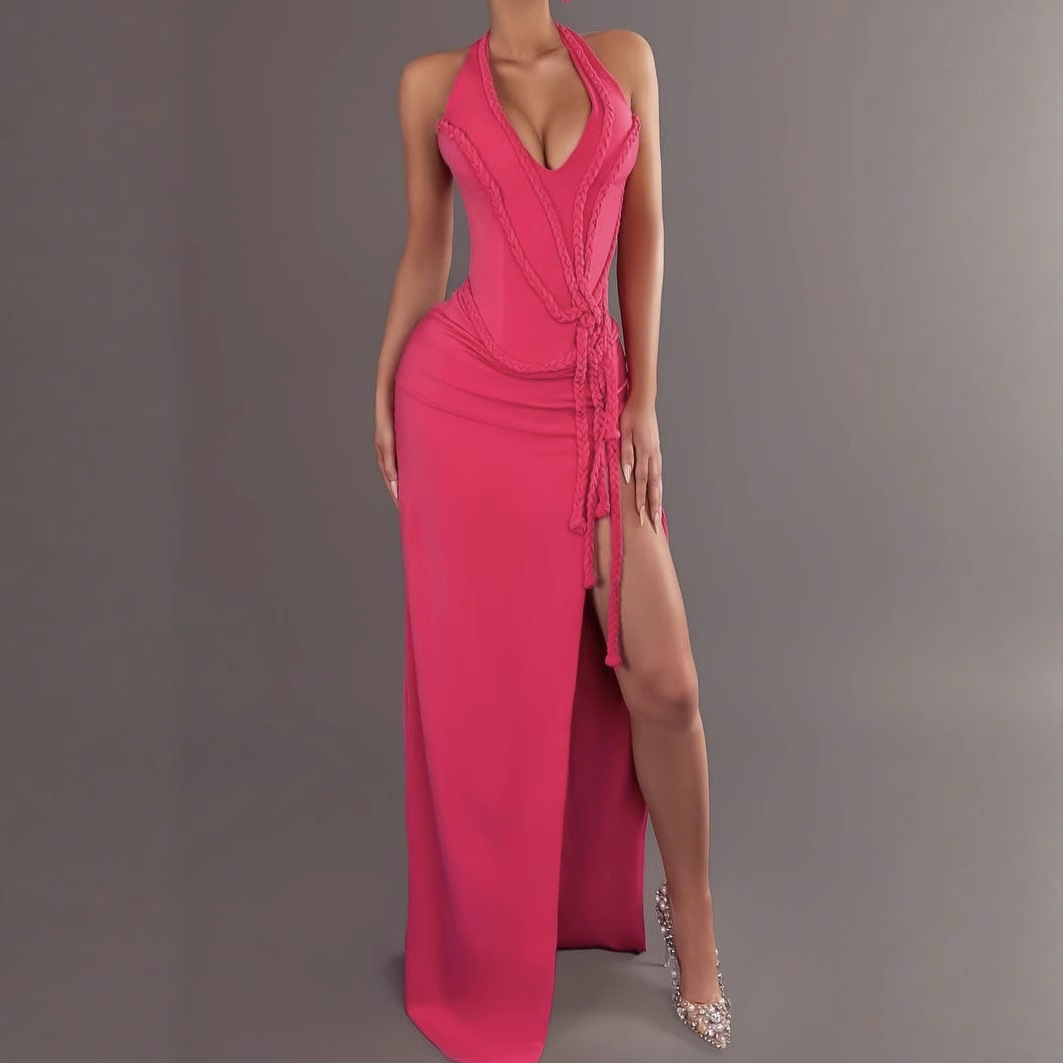
Few invitations generate as much quiet anxiety as the phrase “cocktail attire.” It sits in an uncomfortable middle ground between the casual polish of a dinner party and the full formality of a black-tie gala, and it asks a wearer to be festive without appearing to try too hard. For women, the ambiguity is real. A guest arriving in a sundress will look underdressed beside a neighbor in a column gown, while a floor-length silhouette in a hotel ballroom on a Thursday evening can read as a miscalculation. Understanding what cocktail attire actually means, historically and practically, is the first step toward dressing with confidence rather than guesswork.
The term has its roots in the American and European social calendars of the 1920s and 1930s, when the cocktail hour, typically held between five and seven in the evening, became a fixture of urban life. Hostesses hosted gatherings where guests stopped by for a drink before heading to dinner or the theatre. Attire for these occasions needed to be more polished than daywear but lighter and less ceremonial than evening dress. The short, fitted cocktail dress emerged from this context, and its lineage still shapes the expectations of today. In most modern invitations, cocktail attire signals a knee-length or midi dress, a dressy jumpsuit, or a coordinated separates look with heels or elevated flats, and a level of finish that reads as deliberate.
Context matters more than any single rule. A cocktail reception at a gallery opening in a city will often welcome bolder color, sculptural shapes, and dramatic texture, while a cocktail party hosted in a private garden may favor softer fabrics and more relaxed tailoring. Reading the invitation carefully helps: “cocktail” paired with “black tie optional” suggests a step up, while “cocktail” with “dressy casual” invites a more restrained approach. When in doubt, a well-fitted dress in a rich solid color, a chiffon or crepe with movement, or a refined two-piece set will rarely disappoint. The goal is to look as though you considered the evening, not that you costumed yourself for it. Good cocktail dressing balances personality with respect for the room, and the rest of this guide breaks down the structural and material choices that make that balance achievable.
1. Silhouette and Proportion: Shaping the Line of the Evening
Silhouette is the first thing a room registers, and in cocktail dressing it does the most work. The most reliable cocktail silhouettes fall into three families: the fitted sheath, the A-line or fit-and-flare, and the bias-cut slip with its soft, column-like line. Each interacts differently with the body, and each sets a different tone for the evening. A sheath communicates precision and polish, but it demands accurate fit through the bust, waist, and hip because there is no volume to hide an error. A fit-and-flare offers a more forgiving structure, with a fitted bodice that defines the waist and a skirt that releases at a controlled point, usually somewhere between the hip and the knee.
Proportion is where most cocktail dresses succeed or fail. The eye reads the dress in horizontal bands: the neckline and shoulder line, the waist, the hem, and the length of visible leg or the ratio of skirt to bodice. A dress that sits at the natural waist with a clear seam or defined waistband will generally flatter across body types because it establishes a visual anchor. Dresses that cut across the widest part of the hip or the fullest part of the bust without intent can read as heavy, while a waist placed a few centimeters too high or too low can compress the torso in unflattering ways.
Length deserves particular care. Knee-length has long been the traditional cocktail hem, but midi lengths, falling between the knee and the calf, have become a sophisticated alternative that feels current without drifting into formal territory. A midi hemline should be considered in relation to the shoe you intend to wear, since a heel changes the visual balance of the entire outfit. The Marine Beaded Printed Chiffon Midi Dress shows how a midi length can carry embellishment and print while keeping the proportions clean, with a fluid skirt that moves below the knee and a bodice that keeps the upper half composed.
Sleeve and shoulder construction also influence the silhouette. A defined shoulder seam in a structured bodice creates a strong frame, while flutter sleeves or cap sleeves introduce softness and a sense of movement at the upper arm. Choose a shoulder that suits the rest of the look: a crisp, tailored shoulder pairs well with a sleek skirt, while a relaxed or ruffled shoulder works best with a flowing hemline.
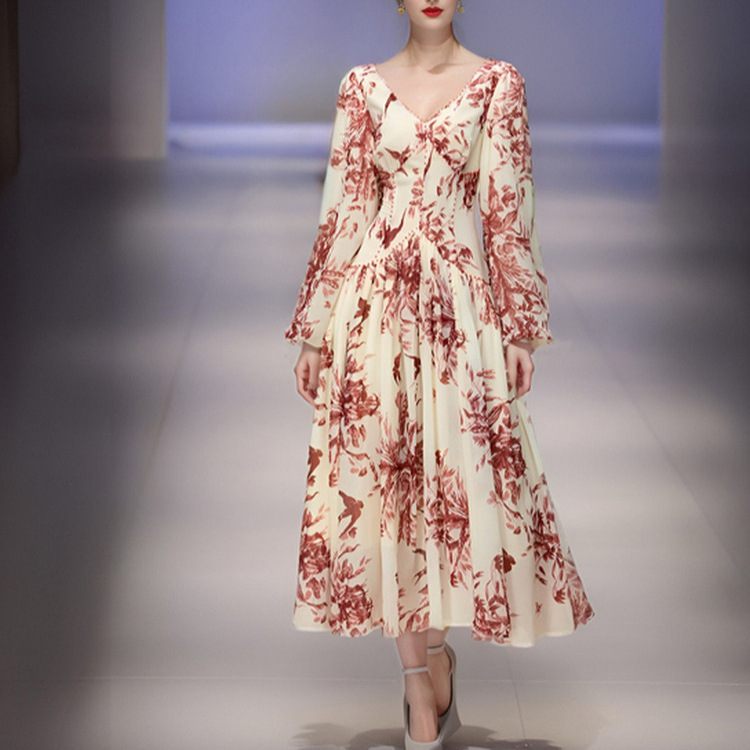
A midi silhouette with a fitted bodice and fluid skirt holds its proportions through the hip.
For a sculpted, column-style line that still reads as cocktail, the Daphne French Palace Style Chiffon Flared Princess Dress offers a useful reference point. Its princess seams shape the bodice without requiring a separate waist seam, and the flared skirt releases gradually, which gives the wearer both structure and movement. Silhouettes like this work because the shaping is built into the cut rather than relying on the wearer to supply it through styling.
2. Textile Weight, Weave, and Drape: Choosing the Right Fabric
Fabric determines how a cocktail dress behaves under light, in motion, and across a long evening. Weight is measured in grams per square meter (GSM), and it is one of the most useful but least discussed indicators of quality. A chiffon in the range of 40 to 60 GSM will float and catch air with every step, which creates a romantic, kinetic effect but offers little structure on its own. A crepe in the range of 150 to 200 GSM holds a clean line, resists wrinkling, and drapes with a quiet heaviness. Silks and satins fall between these extremes depending on the weave, and the choice of weight should match the silhouette you want.
Weave and grain matter just as much. A plain weave like chiffon has a balanced grain that allows fabric to move freely, while a twill or satin weave has a directional sheen and a smoother surface that reflects light. The direction in which fabric is cut relative to the grain changes its drape dramatically. Straight-grain fabric hangs with a crisp, controlled fall and holds its shape in structured pieces. Bias-cut fabric, cut at a forty-five degree angle to the grain, stretches and clings, creating the fluid, body-skimming line associated with slip dresses. Many cocktail dresses combine both: a straight-grain bodice for structure and a bias or gored skirt for movement.
The comparison below summarizes how common cocktail fabrics perform in practice:
| Fabric | Typical Weight | Drape and Movement | Best Silhouette | Best Occasion |
|---|---|---|---|---|
| Chiffon | 40 to 60 GSM | Airy, floating, high movement | Pleated skirts, flutter sleeves, layered hems | Garden parties, daytime cocktails, summer evenings |
| Crepe | 150 to 200 GSM | Structured, smooth, low cling | Sheaths, tailored fit-and-flare, structured bodices | Evening cocktails, corporate receptions, winter events |
| Silk Satin | 90 to 140 GSM | Fluid, reflective, bias-friendly | Slip dresses, bias-cut midis, column gowns | Late cocktails, dinner parties, formal-leaning events |
| Jacquard or Brocade | 180 to 280 GSM | Stiff, dimensional, holds shape | Structured A-lines, peplum, sculpted bodices | Winter cocktails, holiday receptions, evening galas |
Printed chiffon adds another dimension, since the print must read clearly through a sheer layer and the fabric must hold its color under light. Lightweight chiffon in a floral or abstract print can look delicate in daylight and luminous at night, provided the print scale suits the garment. Large motifs suit broad, unstructured silhouettes, while small repeats work better on fitted bodices where the pattern follows the body. The Hortense Floral Print Chiffon V Neck Ruffled Swing Dress demonstrates this balance well: its ruffled V neckline and swinging skirt move with the fabric, and the print scale keeps the dress legible from across a room.
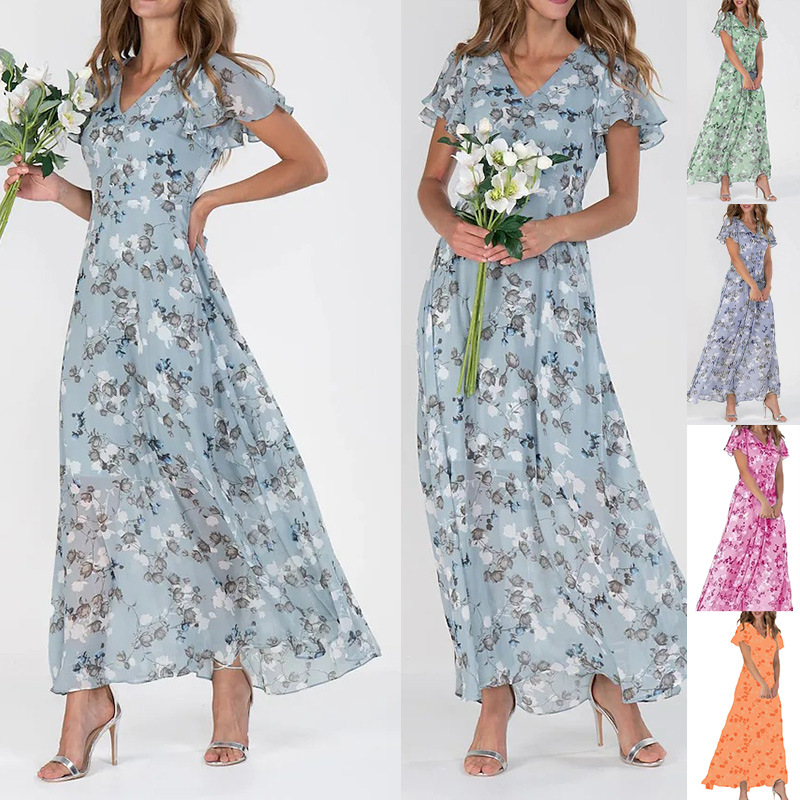
Chiffon in a clear floral print moves freely while keeping its color under soft evening light.
3. Garment Construction and Tailoring: What Holds the Dress Together
Beneath a well-made cocktail dress lies a set of construction decisions that most wearers never see but always feel. Seam allowances, typically between 1.5 and 2 centimeters in quality dressmaking, give the garment room to be altered and prevent fraying in lighter fabrics. French seams, where the raw edges are enclosed within a second stitched seam, are common in sheer and lightweight chiffon because they prevent the cut edge from showing through and create a clean interior. Narrow hems, often rolled and stitched by hand, keep the lower edge of a chiffon skirt fluid rather than stiff.
Structure in the bodice typically comes from three sources: internal boning, interfacing, and waist stays. Internal boning, usually spiral steel or synthetic polymer, runs along princess seams or side seams to keep a bodice from collapsing or rippling. Interfacing, a fused or sewn layer behind the outer fabric, adds body to the neckline, front closure, and waistband without changing the drape of the skirt. A grosgrain waist stay, a narrow ribbon stitched inside the waistline, prevents the waistband from stretching over time and keeps the dress sitting at the intended height. In dresses without a separate waistband, the stay is often the only element preventing the garment from shifting throughout the night.
Closures and grip features are equally important. A concealed back zipper, set with a lapped or invisible technique, preserves a smooth back line. Silicone grip tape, applied to the interior of the neckline or at the top of the bodice, keeps the dress from sliding down during movement, particularly in strapless or wide-neck designs. Hook-and-eye closures at the top of a zipper add security for garments that carry weight in the skirt or bust.
Tailoring also reveals itself in how a dress handles the grain. A well-tailored bodice places its darts and seams along the body’s natural lines, and it balances the bias and straight grain so that the fabric does not pull or twist. The Sibylle Pleated Chiffon Dress illustrates how pleating can be integrated into a structured garment: the pleats are set so that they retain their shape through wear while the bodice remains anchored by its fitted construction. When examining a dress, look for even pleat spacing, consistent stitching at the pleat fold, and a bodice that lies flat without visible gaps.
For authoritative background on how historic dress construction and textile conservation inform modern practice, the Victoria and Albert Museum’s fashion collection (https://www.vam.ac.uk/collections/fashion) offers extensive examples of boning, seam finishing, and fabric weight across eras. The Costume Society (https://costumesociety.org.uk/) also publishes research on garment construction that many professional tailors reference.
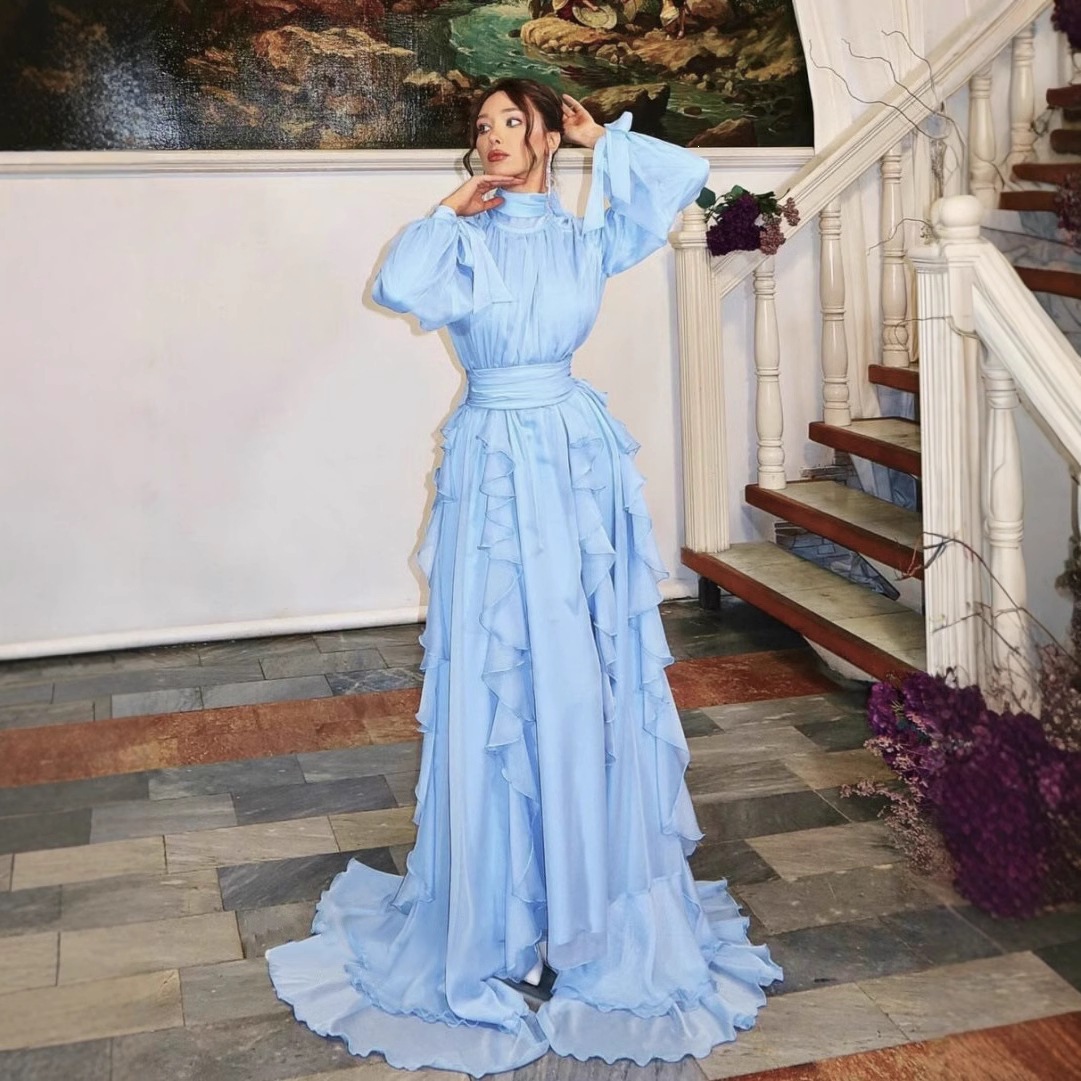
Set pleats hold their shape through wear when the bodice is anchored by proper construction.
4. Footwear, Outerwear, and Accessories: Finishing the Look
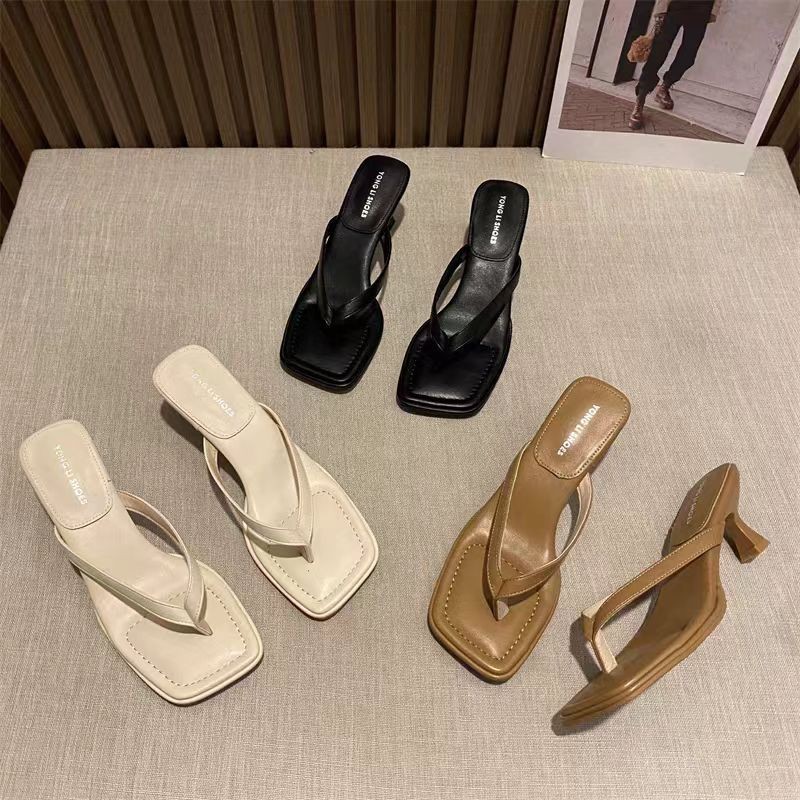
Footwear sets the overall height and formality of a cocktail look. A block or stiletto heel between seven and nine centimeters suits most dresses and offers enough elevation to balance a midi hemline. A pointed toe lengthens the leg and works well with sleek, fitted silhouettes, while an open toe introduces a softer, more contemporary note and suits summer evenings. Flats are acceptable with some cocktail dresses, particularly in pale or metallic finishes, but they demand a strong understanding of the occasion and the dress’s proportions. Consider the shoe’s heel height in relation to hem length: a midi dress paired with a low heel can shorten the leg visually, while a knee-length dress with a high heel can create an unintended tall line.
Outerwear for cocktail events should respect the dress rather than compete with it. A cropped tailored jacket in wool crepe or a lightweight silk blend will complement most dresses and provide warmth during transit. A cape or wrap works beautifully with chiffon and flowing silhouettes, but it should be chosen with attention to length and weight, since a heavy wrap can overwhelm a delicate skirt. Avoid outerwear that flattens the waist or distorts the shoulder line of a structured bodice, unless the look is intentionally oversized.
Accessories function as punctuation. Choose one focal point: statement earrings, a clutch in a compatible tone, or a bracelet. Metallic finishes should be coordinated with hardware on shoes or belts, and textures should be balanced so that a beaded or embroidered dress is not paired with equally busy jewelry. A small clutch in satin, leather, or structured fabric carries essentials without bulk, and a chain or detachable strap makes it practical for standing receptions. Keep hair and makeup aligned with the overall effect: a sleek updo supports a sculptural neckline, while loose waves soften a romantic chiffon look.
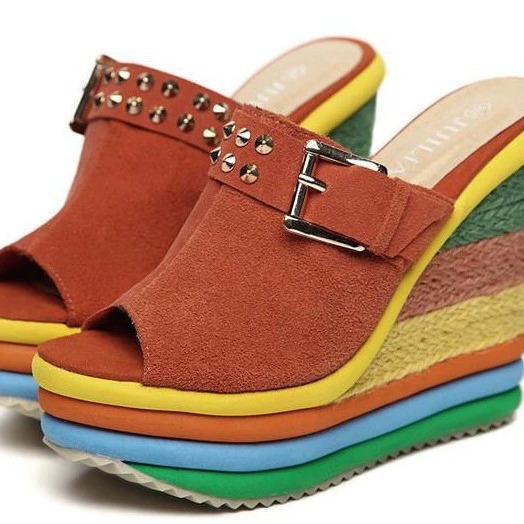
Refined evening sandals with a stable platform heel balance midi hemlines and keep cocktail attire comfortable through standing receptions.
5. Fit Troubleshooting and Real-World Adjustments
Even a carefully chosen cocktail dress can require adjustment, and knowing where problems originate makes them easier to solve. Gaping at the bust or neckline usually signals a bodice that is too wide at the upper chest or a neckline that lacks sufficient support. A tailor can take in side seams, adjust darts, or add a bust cup or internal bra to close the gap. Silicone grip tape applied along the interior neckline offers a quick, reversible fix that keeps a wide neckline anchored to the body.
Pulling across the hip or back suggests the garment is cut too tightly through the widest point of the body. This is common in fitted sheaths and bias-cut skirts that have not accounted for hip curvature. Taking the garment to a tailor for a side seam release or a small panel insert can resolve tension without changing the overall look. Avoid forcing a zipper closed, since strain at the closure can split seams or distort the back.
Waistbands that ride up or drop indicate an issue with waist placement relative to the natural waist. A grosgrain waist stay can help secure the waistline, and a tailor can raise or lower the waistband by adjusting the bodice seam. In dresses without a defined waistband, a discreet belt or a small ribbon tie can establish the natural waist point visually and physically.
Hem problems often appear in chiffon and bias-cut fabrics. An uneven hem can result from fabric that has stretched or from a hem that was not cut on a true line. A professional can re-hem with a narrow rolled edge that keeps the skirt light, and they can correct any lean caused by bias stretch. Chiffon should never be hemmed too tightly, since it needs room to move. If a dress clings or twists during wear, check whether the fabric was cut on the bias and whether the lining is hanging properly. A slip or lining in a compatible tone can reduce friction and preserve the drape.
Finally, consider the realities of a long evening. Test the dress by sitting, reaching, and walking before the event. A garment that feels comfortable standing may restrict movement when seated, particularly in fitted sheaths or narrow skirts. Carry a small emergency kit with safety pins, a clear nail polish to stop a run, and a spare set of earrings or straps. Good fit is ultimately about how the dress behaves when you live in it, and a few deliberate checks before the evening will make the difference between a look that holds and one that needs constant attention.
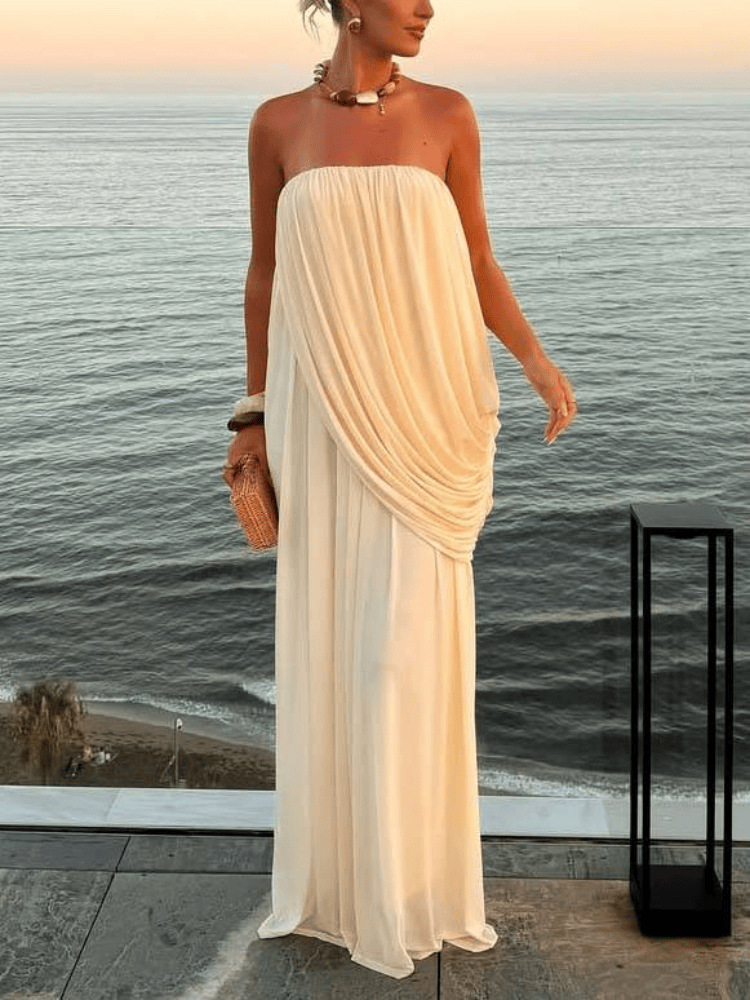
Test a pleated chiffon dress through sitting, reaching, and walking before the evening begins.
The Styling Takeaway
Cocktail attire for women rewards precision more than novelty. The phrase asks for a look that is polished, intentional, and suited to a social setting that falls between the everyday and the ceremonial. When you understand the historical roots of the cocktail hour, read the invitation carefully, and match silhouette, fabric, and construction to the occasion, you move from guessing to deciding. A midi in a considered print, a sheath in a structured crepe, or a pleated chiffon with a fitted bodice can each meet the brief when the proportions, weight, and fit are right. The garment details matter as much as the color or style: seam finishing, boning, waist stays, and grain direction determine whether a dress holds its line through a long evening or quietly loses its shape.
The most successful cocktail dressing comes from knowing your own proportions and selecting pieces that support them. Test the dress before the event, make the adjustments a tailor can offer, and choose footwear and accessories that complete the proportions rather than fight them. Confidence, in the end, is the most visible quality in any room. A well-fitted dress, chosen for the setting and worn with ease, lets the evening belong to you.