Few invitations carry the same mix of pride and protocol as a graduation ceremony. The occasion is celebratory but formal, outdoors or in a university hall, often long, and usually photographed from every angle. Knowing what to wear to a graduation ceremony as a guest means reading the setting as carefully as the dress code printed on the invitation. A hillside commencement in June asks for different textiles than an evening conferral in a stone chapel, and both differ from a high school ceremony held in a gymnasium with folding chairs. The guest’s task is to look appropriately dressed for the event, to remain comfortable through speeches that can run ninety minutes, and to avoid anything that competes with the graduate or with the academic regalia that surrounds them.
The etiquette is more generous than many people expect. Graduation is one of the few daytime occasions where a guest can wear a full-length gown without feeling overdressed, provided the cut suggests intention rather than red-carpet ambition. The standard advice holds: avoid white, which is reserved for the graduate in many institutions and traditions, and avoid anything so casual that it reads as a day at the beach. Pastels, jewel tones, botanical prints, tailored separates, and structured midi dresses all sit comfortably within the expected range. Black is correct but can appear funereal in certain palettes, so a deep navy, bottle green, or dusty rose often reads as more celebratory while remaining sober.
Context also governs the level of formality. A doctoral ceremony with full academic procession and an afternoon reception invites a more elevated approach, perhaps a fluid gown with sculpted shoulders or a tailored jacquard sheath. A community college commencement at midday in the heat calls for breathable fabric, a looser silhouette, and a hem length that allows for walking across uneven lawns. Weather matters as much as dress code. Wind, rain, and direct sun all change how a garment hangs, how a hem behaves, and how long an outfit remains presentable. Build the look around the least forgiving variable of the day, and every other decision becomes easier.
Finally, consider the purpose of your presence. You are there to witness a milestone and to support the graduate, which means your clothing should feel warm, attentive, and considered. The goal is not to be the most striking person in the row but to be someone who looks thoughtfully prepared. The guidance that follows addresses silhouette, textile, construction, footwear and accessories, and the practical adjustments that make an outfit perform from the first procession to the last photograph.
1. Choosing Silhouette and Proportion for a Ceremony Setting
Silhouette is the first decision because it determines how an outfit reads from a distance, which matters when you are seated several rows back in a crowded auditorium. Proportion is the second, and it concerns the relationship between the length of the garment, the placement of the waist, and the overall balance of the body. For graduation guests, the most reliable silhouettes are the midi and the knee-to-calf sheath, the A-line with a defined natural waist, and the wrap or empire-waist column. Each offers a complete, finished look without the weight of a full ball gown, and each photographs well against the stone, brick, or greenery that typically frames these events.
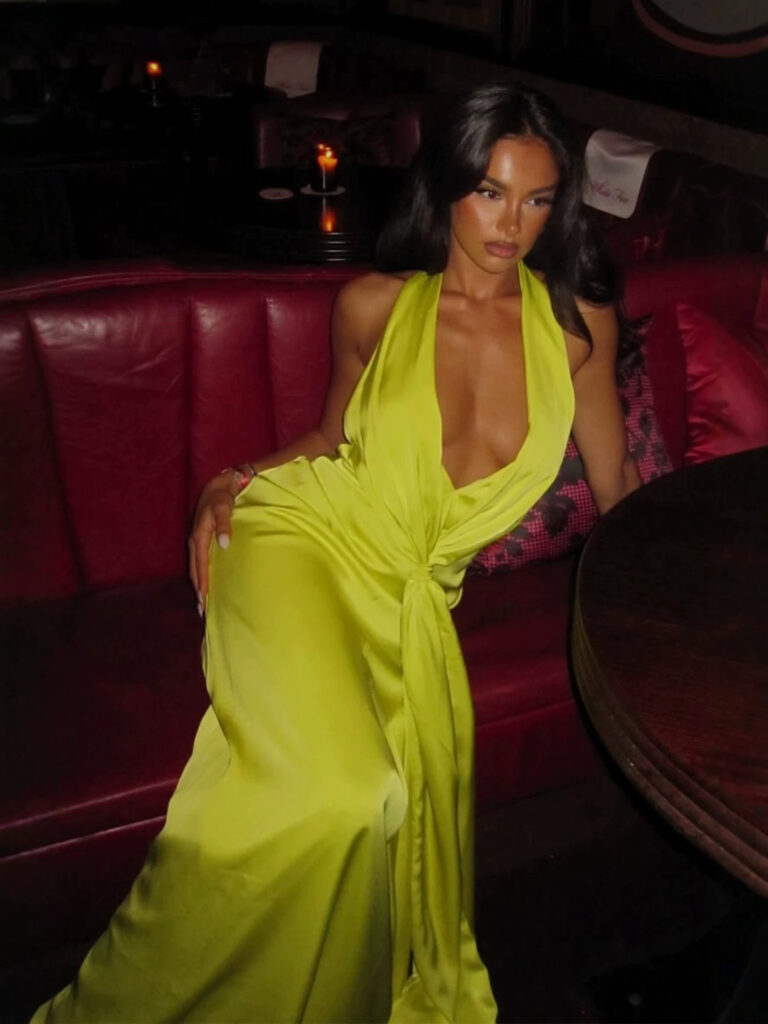
A midi dress is particularly effective because its hemline lands at a visually flattering point on most body types and it remains practical when you are standing for long periods or navigating gravel paths. The Apolline Western Suede Zip Up Midi Dress offers a structured, zip-front profile that reads as deliberate rather than casual, and the zip closure gives a clean, unbroken line down the centre front that suits a formal daytime setting. Structured silhouettes also hold their shape across a long day, whereas very soft, unlined shapes can cling or sag after an hour of heat and sitting.
Proportion also depends on your footwear and your height. A midi hemline that falls just below the knee can shorten the leg visually if paired with a flat, bulky shoe, while the same length with a low block heel or a slim pointed toe will elongate. Tall guests can comfortably wear a maxi length, but a maxi on a shorter frame can swallow the figure unless the waist is clearly marked. The waist seam is the anchor: when it sits at the natural waist, a fitted bodice and fuller skirt create a classic hourglass line. When it sits lower, as in some drop-waist designs, the effect is more relaxed and less formal, which may suit an outdoor afternoon ceremony but may look undefined in a chapel setting.
Sleeve length should be considered in relation to the venue temperature and the formality of the event. Full-length sleeves lend polish and coverage for evening or air-conditioned spaces, while cap and short sleeves suit warm daytime events. A three-quarter sleeve often provides the best compromise, allowing movement in the arms during applause and photographs while retaining a neat finish at the wrist. Finally, consider the neckline. A high or stand collar reads as formal and conservative, a V-neck elongates the torso, and a square or sweetheart line softens the overall look. Choose the neckline that suits your frame and the tone of the ceremony, and let the silhouette do the rest of the work.
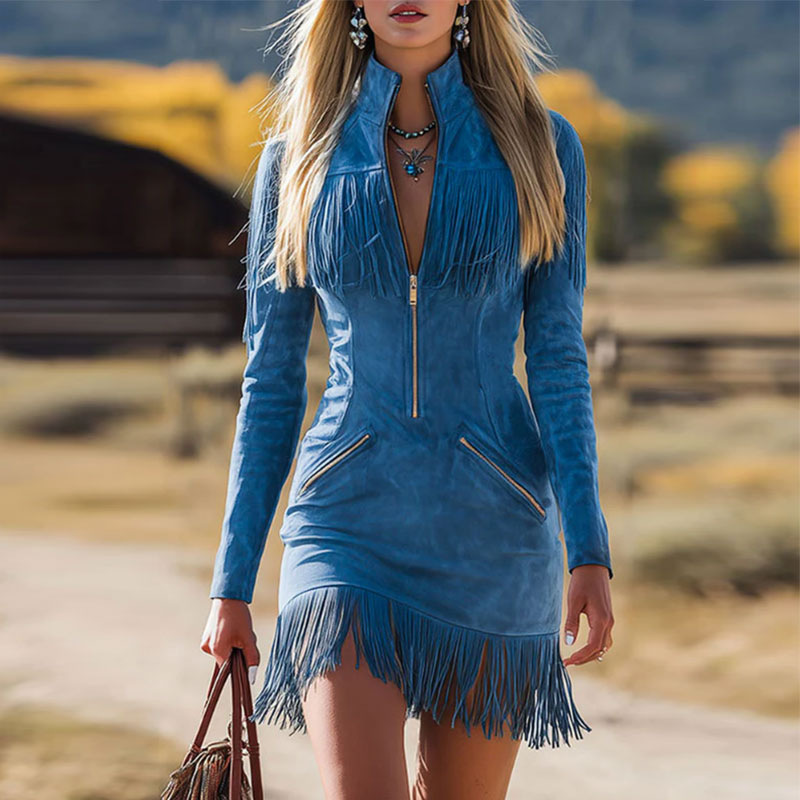
A structured zip-front midi keeps a clean vertical line through a long ceremony.
2. Textile Weight, Weave, and Drape Under Ceremony Conditions
Fabric determines how a garment behaves in heat, wind, and extended sitting, and it is the single most important factor after fit. Textile weight is typically measured in grams per square metre (GSM), and this figure offers a practical guide to how substantial a fabric will feel and how well it will hold its shape. Lightweight wovens such as crepe de chine or fine cotton lawn tend to sit between 60 and 110 GSM, creating fluid drape that moves gracefully but can cling and show lining. Mid-weight fabrics such as wool crepe, ponte, and structured jacquards generally fall between 180 and 300 GSM, offering stability, a crisp outline, and better resistance to wrinkling during travel.
Weave structure also shapes drape. A plain weave gives a smooth, even surface, while a satin or sateen weave produces a lustrous face with more fluidity and a tendency to skim the body. Chiffon, which is a sheer plain weave with twisted yarns, offers exceptional movement but requires lining or underlayers for opacity. Jacquard weaves introduce woven patterns that add visual depth without printed ink, which can be particularly suitable for formal daytime events. The choice between these weaves should be guided by the setting: sheer and lightweight textiles suit warm outdoor ceremonies, while denser weaves suit cooler indoor halls or evening conferrals.
Drape is governed by grain. Straight-grain garments hang with a crisp, controlled line and are often more stable, while bias-cut pieces, cut at forty-five degrees to the warp, cling and flow with the body. A bias cut can be stunning for an evening ceremony, but it demands precise fit and can stretch during a long day. The Marine Beaded Printed Chiffon Midi Dress uses a lightweight chiffon base that moves beautifully in a breeze, and the beading adds weight at the hem and bodice to keep the silhouette from billowing unpredictably. Printed chiffon also tends to disguise minor creasing better than solid pale tones.
The comparison below summarises how common ceremony textiles perform across the variables guests most often weigh.
| Fabric | Typical GSM | Drape and Movement | Best Occasion Pairing |
|---|---|---|---|
| Chiffon | 60 to 90 | Fluid, airy, needs lining | Warm outdoor daytime ceremonies |
| Crepe de chine | 80 to 110 | Smooth, soft, slight sheen | Mid-day and early evening events |
| Suede or suede-effect | 200 to 300 | Structured, weighted, warm | Cool-weather or spring indoor halls |
| Jacquard | 180 to 260 | Crisp, woven texture, holds shape | Formal chapel or doctoral ceremonies |
| Lace | 120 to 200 | Semi-sheer, textured, requires lining | Garden or semi-formal afternoon events |
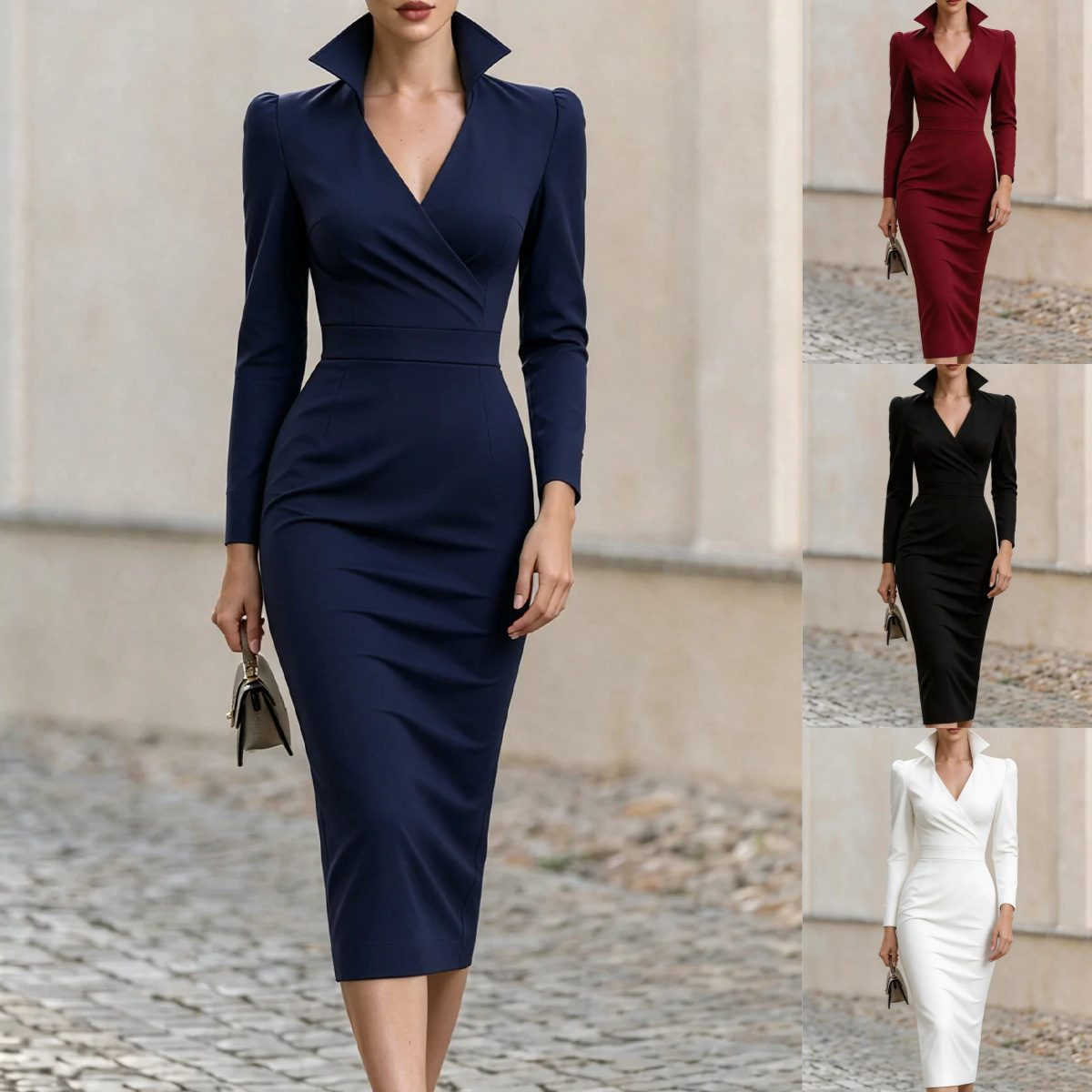
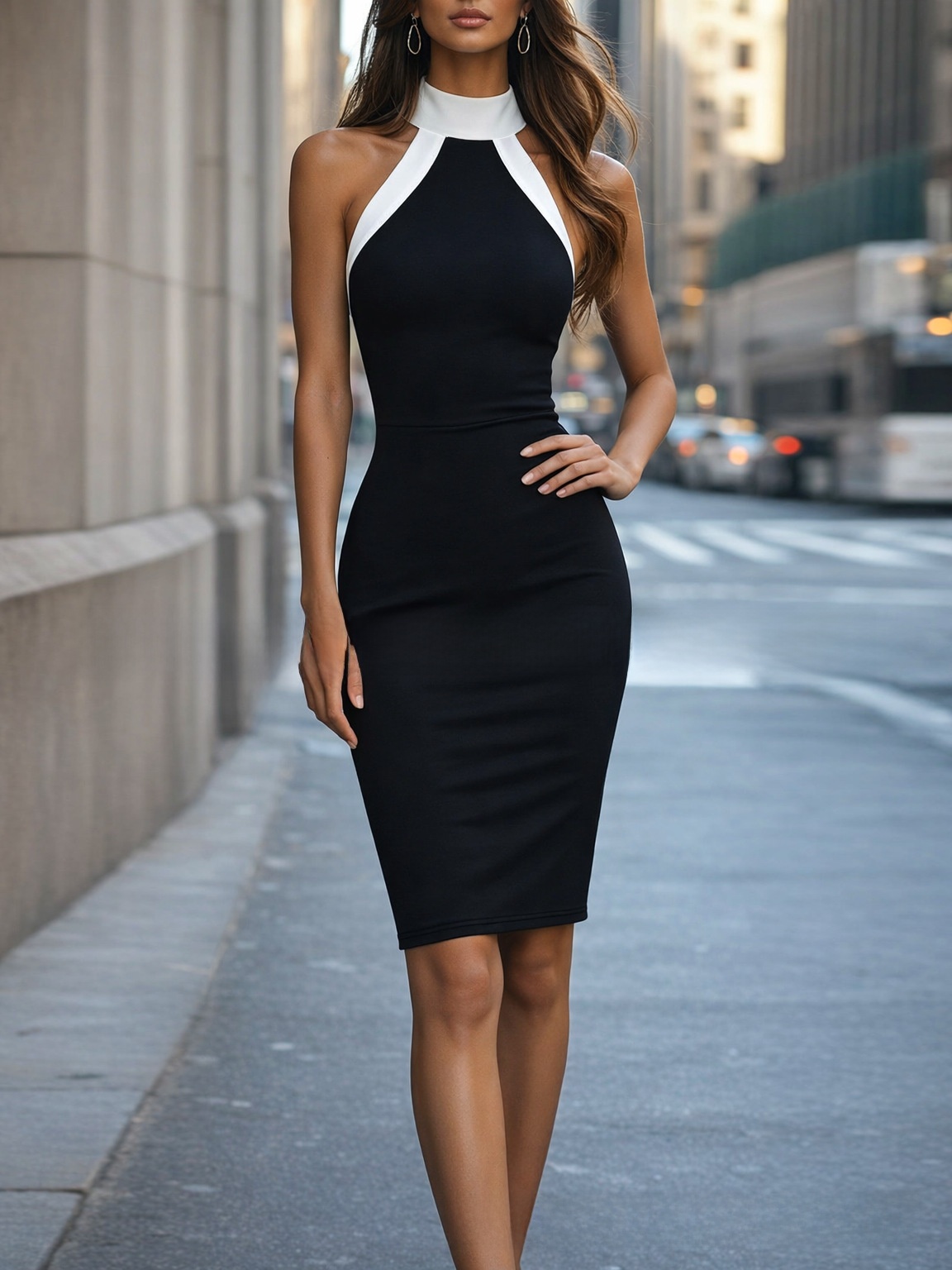
A medium-weight knit holds a sleek line across a full morning of sitting and standing.
3. Garment Construction, Internal Structure, and Tailoring Details
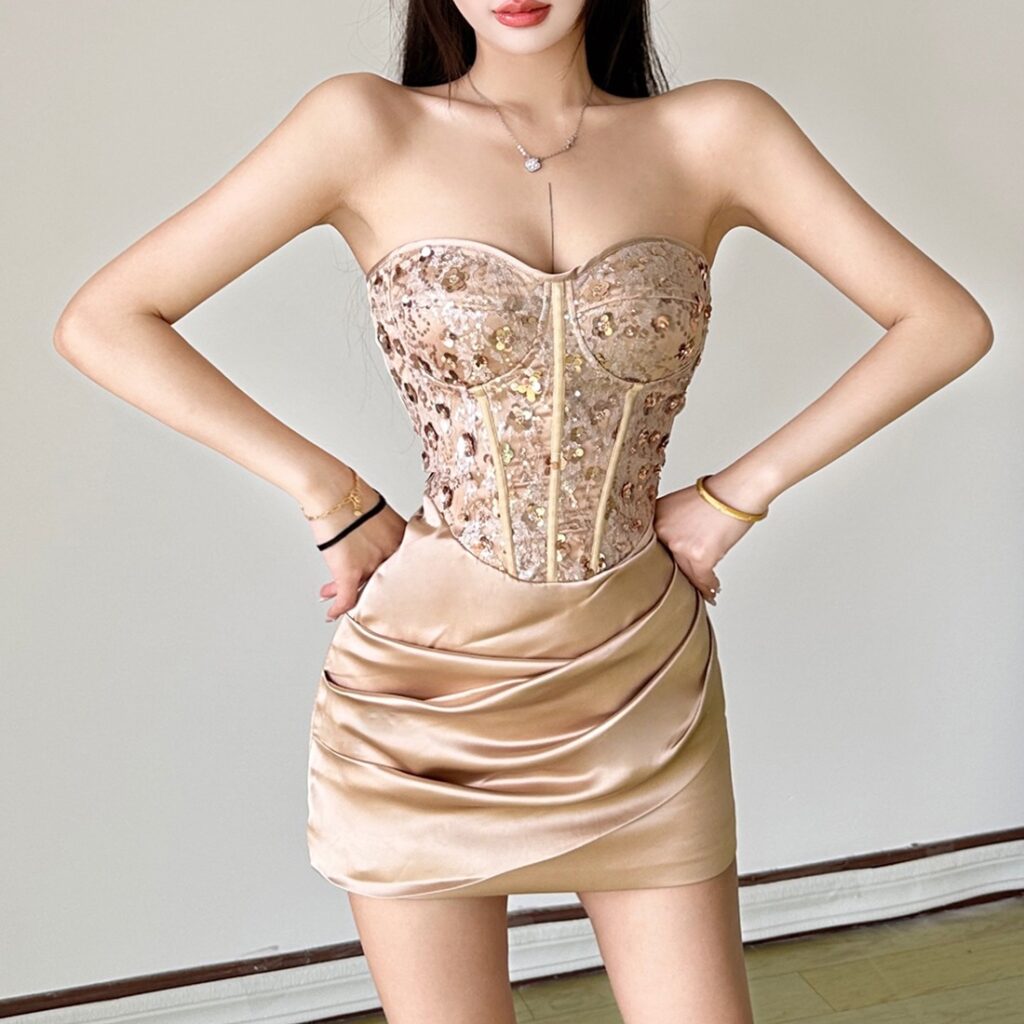
Construction is where a good ceremony outfit separates from a merely attractive one. Internal structure governs how the garment sits on the body over hours rather than minutes. Boning, whether steel, plastic, or spiral, is used in bodices to provide rigidity and to prevent a neckline from rolling or a seam from twisting. Spiral steel boning is typically more comfortable against the body, while flat plastic boning is lighter and better suited to stretch fabrics. Boning should be positioned along princess seams and side seams and should terminate short of the waist edge to prevent poking. A well-boned bodice holds the torso in a clean line without requiring the wearer to manage the neckline all afternoon.
Waist stability comes from grosgrain or petersham waist stays, which are narrow ribbons sewn into the waistline seam to prevent stretching and to anchor the garment at the natural waist. Silicone grip tape along the inside of a waistband or at the bust line can keep a dress from migrating during sitting and standing, a particularly useful feature for wrap styles and for dresses worn with a belt. Seam allowances matter too. A generous allowance of around 1.5 centimetres at critical seams allows for alteration, while a narrow allowance indicates a garment cut close to the body and may leave little room for adjustment. Inspecting seam finishing, whether French seams, overlocked edges, or bound seams, reveals the overall quality of the piece.
Rise and inseam balance matter in separates, particularly when pairing trousers with a structured top or jacket. A high rise elongates the leg and defines the waist, while an excessively low rise breaks the proportion and can look casual. The inseam should land at the ankle bone or just above it for a clean finish with heeled or flat shoes. Lining is equally important. A full lining, which covers the entire garment, provides a smooth surface and prevents the outer fabric from clinging, while a half lining covering only the bodice or skirt is lighter and more breathable. Sheer fabrics require a slip or lining in a matching tone to maintain opacity without showing a contrasting edge.
For those who want to understand historical and technical precedents, the Victoria and Albert Museum collections offer extensive documentation of how fabric, construction, and tailoring have evolved, and the Costume Society publishes research on dress history and textile conservation. Studying these sources helps explain why certain construction choices endure and why a well-made garment continues to perform decades after its first wearing.
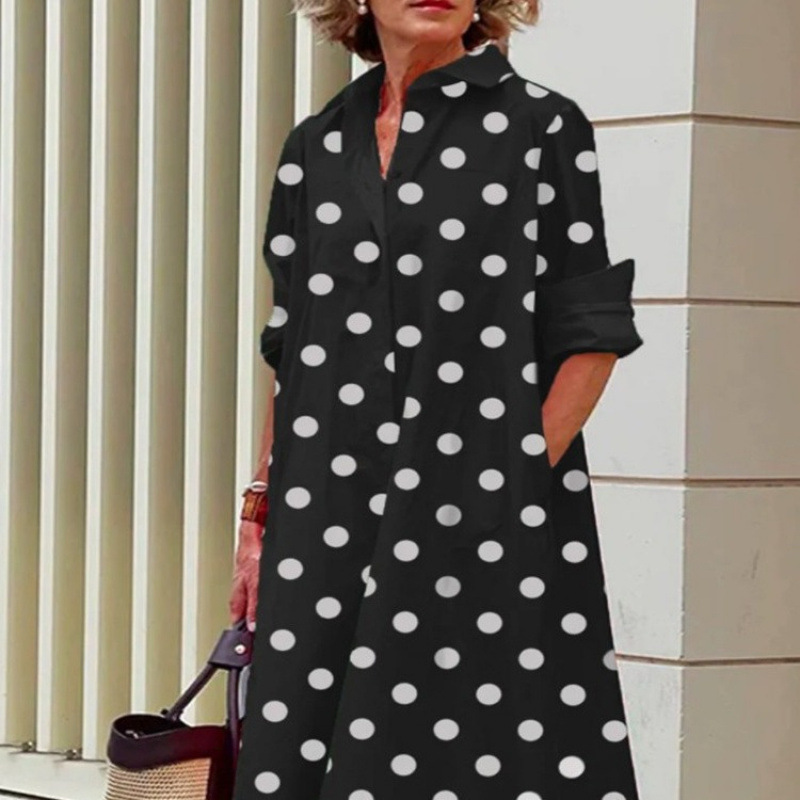
Concealed boning and a waist stay keep the bodice upright without visible structure.
4. Footwear, Outerwear, and Accessories for the Ceremony
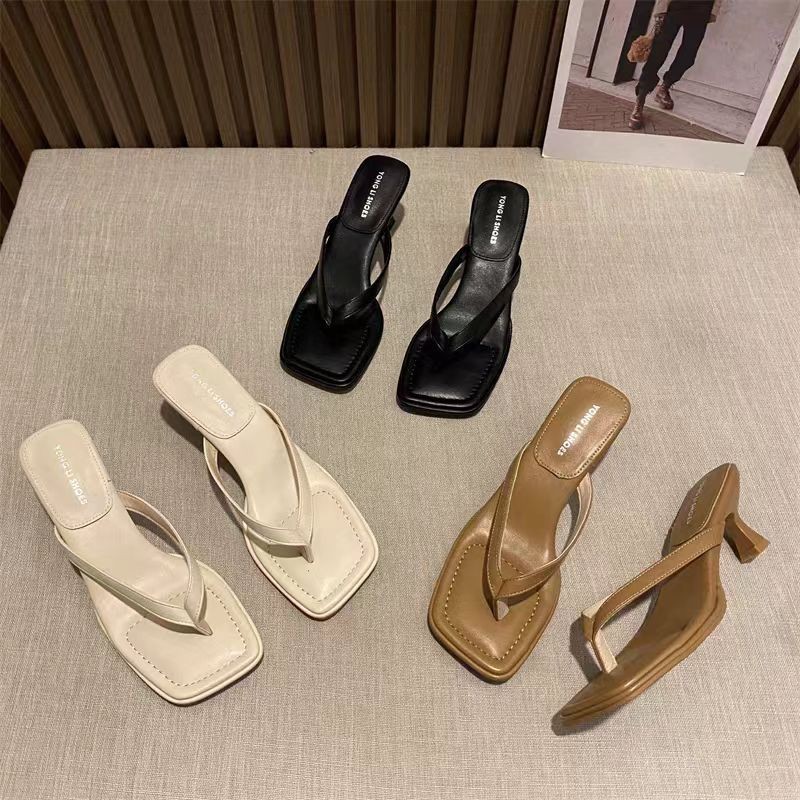
Footwear determines whether a guest remains composed through an afternoon. Ceremony venues often include lawns, stone steps, gravel, and polished floors, each of which challenges a heel differently. A block heel between three and six centimetres offers stability on grass and gravel while maintaining an elevated line. Kitten heels suit shorter hemlines and softer silhouettes, while a closed pointed toe lengthens the foot and suits midi and maxi lengths. Avoid stiletto heels on outdoor lawns, where they sink and wobble, and avoid open-toe styles if the day promises heat, dust, or a long procession. Breaking in new shoes before the event is essential, and a shoe with a leather or suede lining will mould more readily than synthetic materials.
Outerwear should complement rather than overwhelm the outfit. A tailored blazer in a neutral tone, a belted trench, or a lightweight wrap cardigan adds polish and provides warmth for air-conditioned halls or chilly evenings. A structured jacket also helps anchor a softer dress. The Alix Long Sleeve Midi Dress pairs well with a neutral tailored layer, which allows the garment to transition from the outdoor procession into the reception without a wardrobe change. When choosing outerwear, consider the closure: open fronts reveal the dress and maintain a continuous line, while closed fronts can hide embellishment or a deliberate neckline.
Accessories reward restraint. A single statement element, whether a sculptural earring, a slim cuff, or a clutch in a complementary tone, typically reads better than several competing pieces. Handbags should be small enough to hold comfortably on the lap during the ceremony and light enough not to drag the shoulder. Jewellery should suit the metal tones already present in the outfit, and hosiery or tights should match the skin tone or the dress colour rather than creating a stark contrast. Hats are appropriate for outdoor daytime events if the venue permits them, but they should be secure in wind and should not obstruct the view of those seated behind you. Finally, a compact umbrella or light wrap is a sensible addition for unpredictable weather, providing practical protection without disrupting the look.
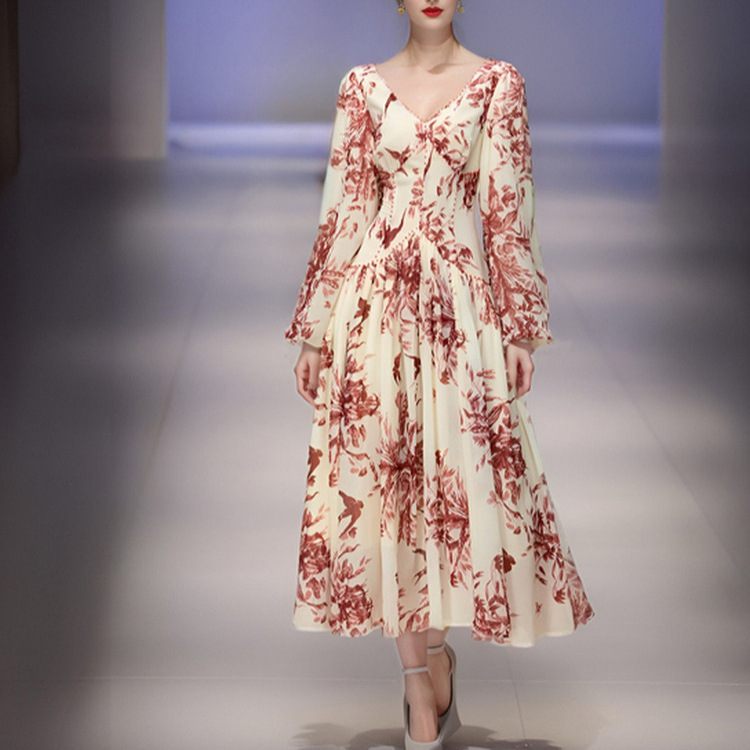
A printed chiffon midi pairs with block heels and a light neutral layer for outdoor walking.
5. Fit Troubleshooting and Real-World Adjustments on the Day
Even a well-chosen outfit can fail if the fit is not verified before the event. Begin with the shoulder seam, which should sit at the edge of the shoulder without collapsing or riding up toward the neck. A shoulder seam that sits too far outward signals an oversized garment, while one that pulls toward the neck indicates a tight bodice. Next check the bust and waist. Gaping at the bust usually means the bodice is too wide or the neckline requires a small dart adjustment, while horizontal pulling across the bust suggests the garment is too small. A waist that sits above or below the natural waistline can often be corrected by a tailor who moves the waist seam or adjusts the bodice length.
Foundation garments change the fit considerably. A smooth, seamless underpiece in a skin-matched tone prevents visible lines under lightweight fabrics, while a structured bra with a supportive band keeps the bodice from shifting during long sitting. Shapewear should be chosen with care: it should smooth rather than compress, and it should be tested for comfort across a full hour of sitting before the event. Slips are essential under sheer or partly lined fabrics, and a half slip can help a clingy skirt move freely and prevent it from riding up with each step. Consider the fabric of the foundation layer as well, since a synthetic slip against a crepe or chiffon outer can cause static and clinging.
On the day itself, carry a small kit: a lint roller, safety pins, a spare pair of hosiery, a stick of clear deodorant, and a discreet fabric adhesive for hems or straps. Hems that drop unevenly on grass can be re-secured with a few stitches or a strip of fusible tape. If a waist stay has come loose, a single safety pin placed discreetly on the inside of the seam can hold the garment until a proper repair is possible. Avoid over-adjusting in public, however; small corrections in a restroom are sufficient. If a strap slips repeatedly, a clear bra strap converter or a discreet loop of elastic can secure it without visible hardware. The purpose of these adjustments is to allow you to remain comfortable and composed, so that your attention stays where it belongs: on the graduate.
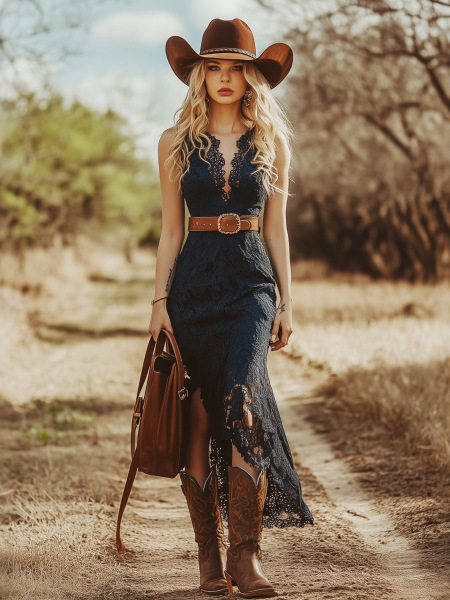
Lace requires a matching lining and careful checking of the bodice fit before the day.
The Styling Takeaway
Dressing for a graduation ceremony as a guest is an exercise in balance. The occasion calls for warmth, respect, and a look that feels finished without competing with the regalia or the graduate. The strongest choices are usually the simplest: a well-structured midi, a textile suited to the weather and the venue, a sound construction with reliable internal support, and footwear that will carry you across grass and stone without fuss. Attention to silhouette and proportion ensures that the outfit reads well from a distance, while attention to textile weight and drape ensures it moves and holds its shape through the day. Construction details such as boning, waist stays, and seam allowances determine whether the garment will feel secure or require constant adjustment, and fit troubleshooting turns a good outfit into one you can trust.
Above all, remember that the event is about the person who has completed a demanding course of study. Your role is to witness and celebrate, and your clothing should reflect that intention through restraint, care, and comfort. Plan the outfit a week in advance, test it in the shoes and foundation garments you intend to wear, and make any tailoring adjustments early. When the day arrives, you will be able to focus on the procession, the speeches, and the moment the graduate crosses the stage, rather than on a strap or a hem. That composure, more than any single garment, is what makes a guest look genuinely well dressed for the occasion.