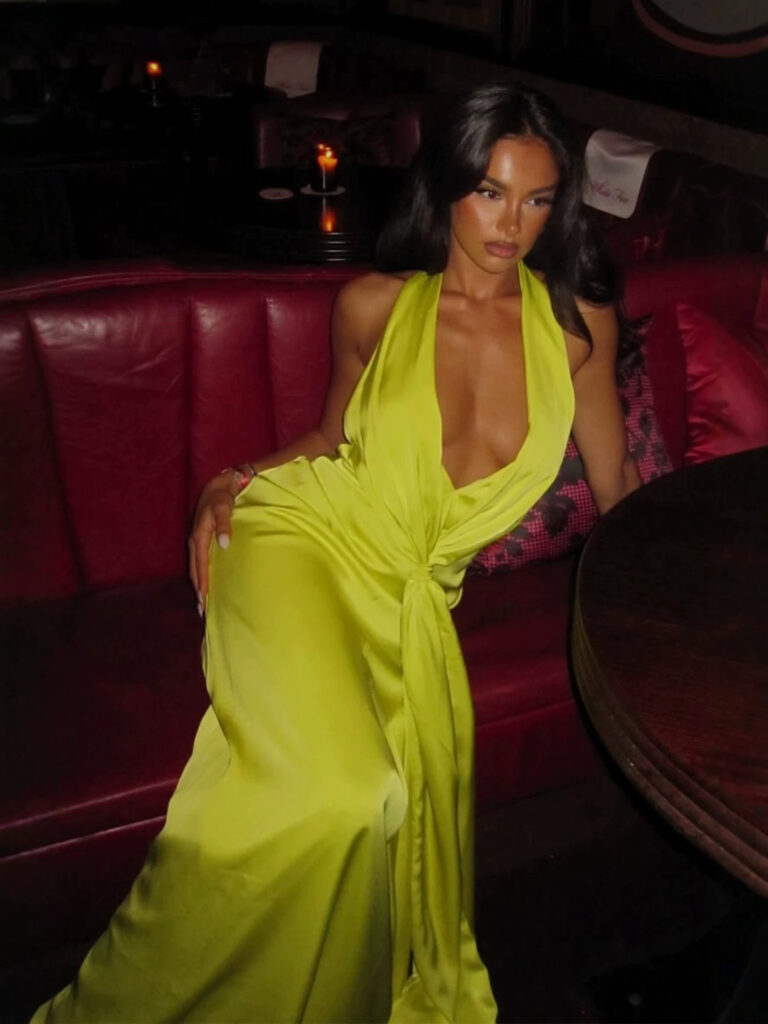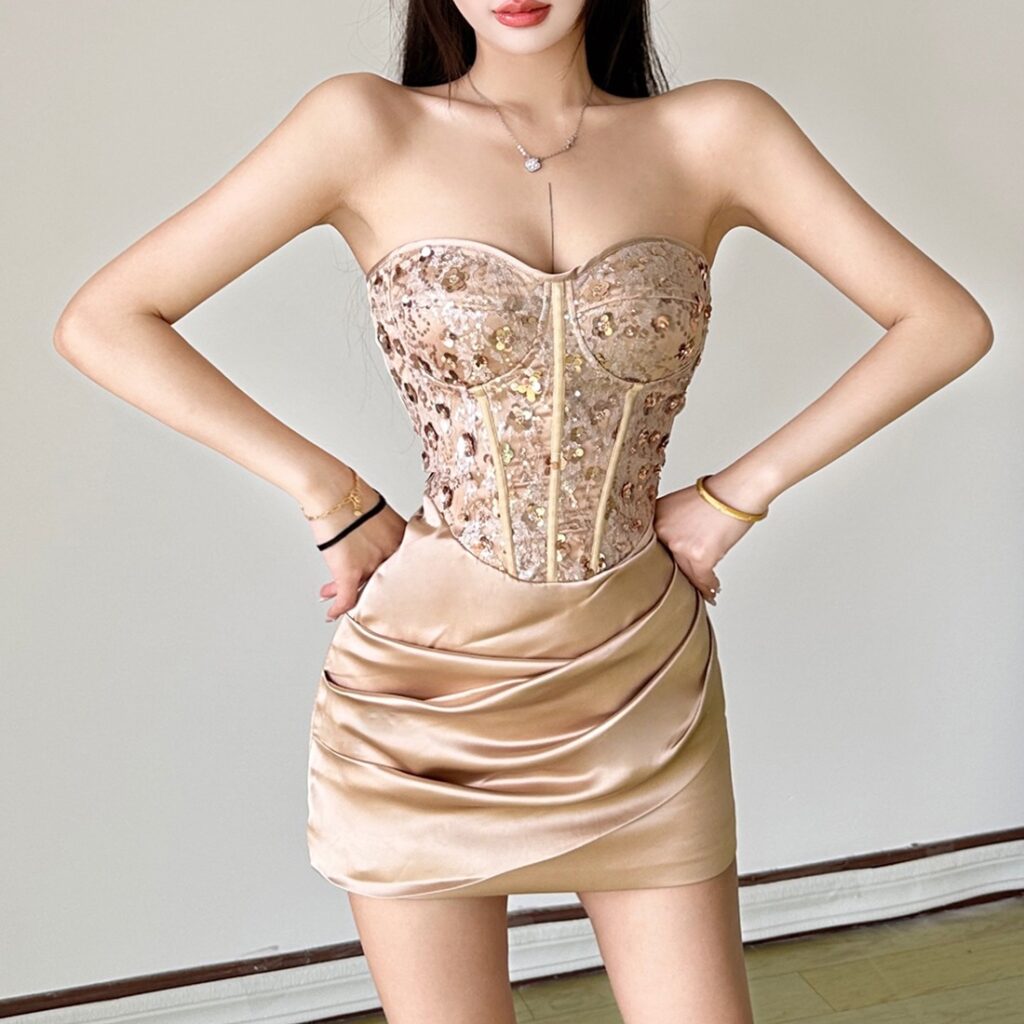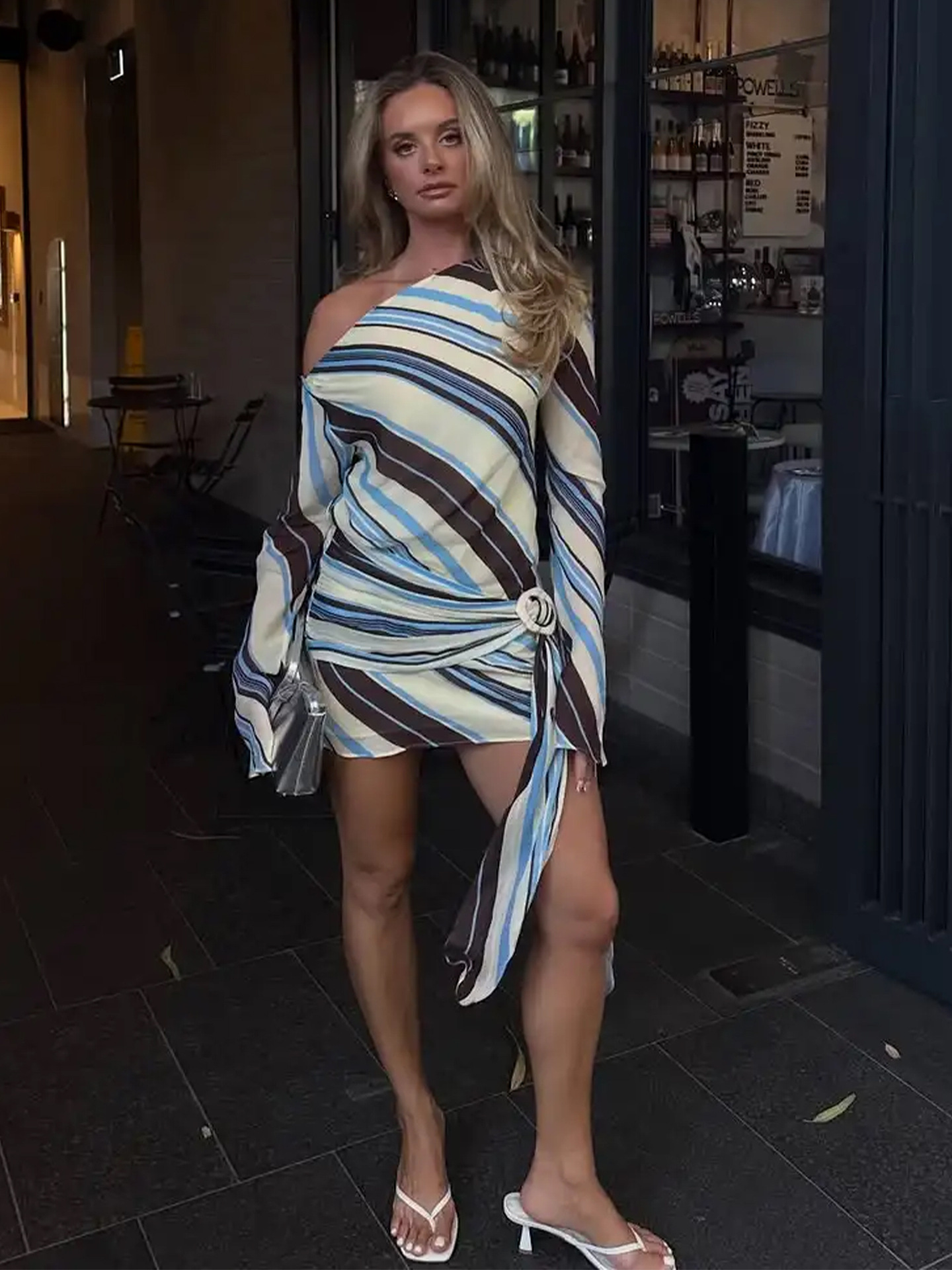
The evening is a choreography of its own. It begins with a reservation, a table set for two or four, and the quiet expectation that conversation will be unhurried and the lighting kind. Somewhere after the main course, the mood shifts. A playlist lifts, a friend pulls back a chair, and the invitation becomes a dance floor. A dinner to dancing evening outfit has to survive that transition without looking like two different plans stitched together. It must read as deliberate at the table and effortless once the music starts, which requires more thought than simply choosing the most dramatic dress in the wardrobe. The garment has to sit correctly while you are seated, move freely when you are standing, and hold its line through several hours of heat, pressure, and motion.
Etiquette still shapes the decision. A dinner setting calls for polish: clean lines, considered color, and a hemline that respects the room without apology. Dance-floor expectations tend toward freedom: a shoulder that can lift, a waist that does not fold when you bend, and fabric that does not cling or shift in unwanted places. The most successful evening outfits respect both codes by relying on construction rather than ornament. A bold neckline can carry a dinner just as well as a dance, provided its bones and stays are doing the real work. A slip silhouette can look refined under candlelight and still allow a full turn without pulling at the bust. In practice, this means evaluating each dress as an engineered object before admiring it as a fashion statement.
The approach in this guide is practical. We will look at proportion and silhouette, the weight and drape of textiles, the construction details that determine comfort, the footwear and outerwear that complete the look, and the small adjustments that rescue a garment mid-evening. Each decision contributes to the same goal: an outfit that looks composed when someone first sees you and still looks composed when the final song begins. Build for that full arc, and the evening will feel like one continuous story rather than an awkward costume change.
1. Silhouette and Proportion: Designing for Sitting and Standing
Silhouette is the first decision because it governs how the garment behaves in every position the evening demands. A fitted bodice paired with a flared or column skirt creates a line that is stable at the table and expressive on the floor. The key is proportion: the point where the garment defines the waist, the length of the bodice, and the hem’s relationship to the ankle all determine whether the figure reads as balanced across different postures. A dress that looks elegant standing can shorten dramatically when seated, so the cut should account for the bend at the hip and knee.
Consider a sleeveless V-neck with lace stitching, such as The Justine Sleeveless Strap V Neck Lace Stitching Elegant Dress. Its narrow straps and defined bodice create a vertical line that keeps the eye moving upward, which is ideal for a dinner where you want composure. The lace detailing adds surface interest without requiring heavy embellishment, so the look reads as refined rather than theatrical. Because the straps sit close to the shoulder, they leave room for movement once the dancing begins, though you should confirm that the strap placement does not shift when you raise your arms.
Proportion also depends on how a dress meets the body at the waist. A defined natural waist anchors the silhouette and makes a long hemline feel intentional. A dropped waist can be flattering in a slip-style dress but may lose structure when seated, so pair it with internal support. For a more fluid option, consider the lines of The Muriel Elegant Off Shoulder Ruffle Dress, where the off-shoulder neckline draws attention outward and softens the torso. Ruffles at the shoulder add volume that balances a fuller skirt, and they render the transition from dinner to dancing graceful because the movement of the fabric becomes part of the design.
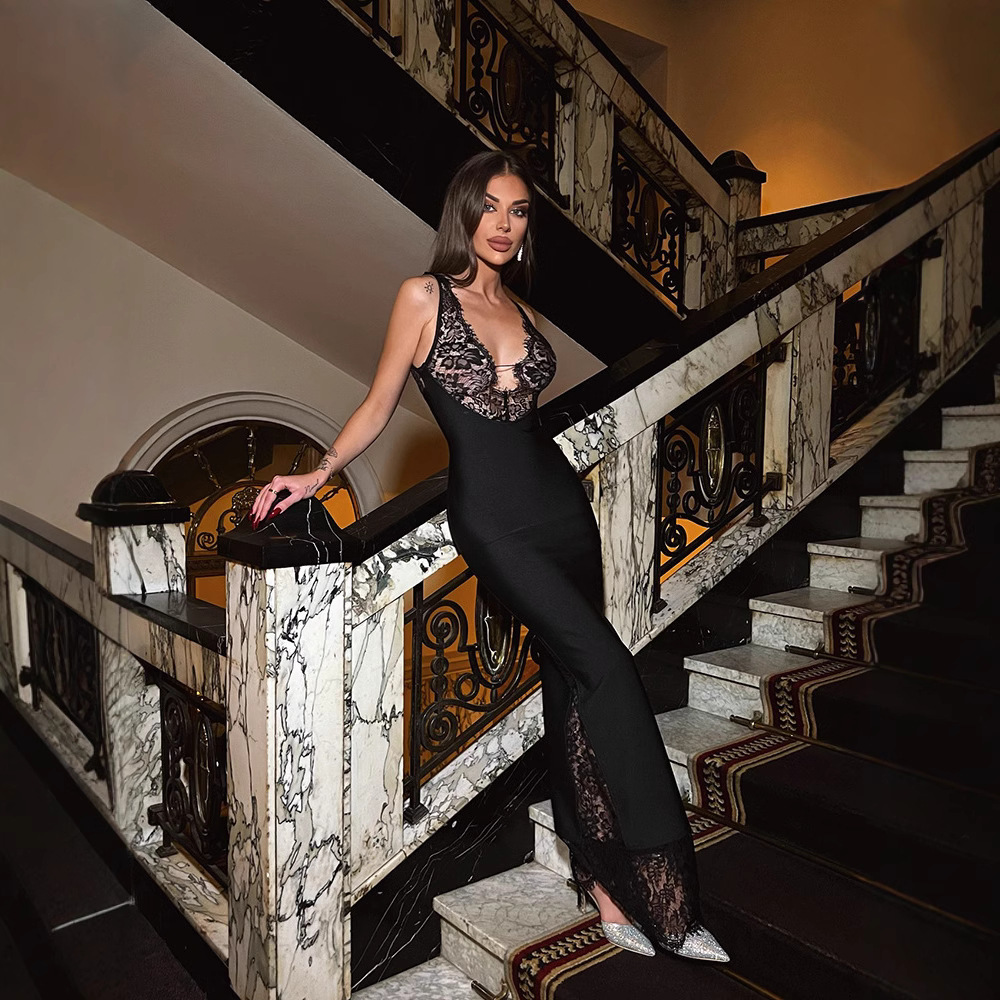
A vertical V-neck and lace stitching establish the proportion that carries from table to floor.
2. Textile Weight, Weave, and Drape
Fabric determines how a dress behaves over time. Weight is commonly measured in grams per square meter (GSM), and for evening wear the useful range is wide. Lightweight chiffon or georgette often sits below 80 GSM and moves beautifully, but it can cling, show lining lines, or stretch under strain. Mid-weight crepes and jacquards, typically in the 150 to 250 GSM range, hold their shape at the table and resist wrinkling during a long night. Knits offer stretch and recovery, but their GSM and rib structure determine whether they retain their silhouette or relax into bagginess.
Grain direction changes everything. A straight-grain panel holds its line and resists stretch, which is why it suits structural elements such as bodices and skirt panels. A bias-cut section drapes and skims, yielding a fluid surface that responds to every movement. Many well-made evening dresses combine both: straight grain for the structural zones and bias for the flowing areas. When assessing a dress, hold a section of fabric and observe how it falls. Fabric that puddles unevenly or pulls diagonally often indicates poor cutting or inadequate weight for the design.
The table below compares common evening textiles and their best pairings, which can guide your choice before you shop.
| Textile | Typical Weight | Drape and Behavior | Best Evening Pairing |
|---|---|---|---|
| Chiffon | Under 80 GSM | Airy, fluid, prone to clinging without lining | Garden dinners and open-air dancing |
| Crepe | 150 to 200 GSM | Matte, structured, minimal wrinkling | Formal dinners and cocktail dancing |
| Fine knit | 200 to 300 GSM | Stretchy, contouring, good recovery | Late dinners leading into long nights |
| Jacquard or brocade | 250+ GSM | Stiff, sculptural, holds shape | Winter gala dinners and ballroom evenings |
Pattern and texture also influence how a dress reads in different lighting. A fine stripe can flatten under warm dinner light and then shimmer on the dance floor. A knit with a dense rib catches the light in a way that rewards close inspection. For a textural statement that stays comfortable, look at the construction of The Colette Knitted Bodycon Dress, where the knit provides give through the hip and back while the fabric keeps its contour. For a lighter alternative, The Isaline Fashionable and Elegant Chiffon Dress shows how a chiffon layer can flow beautifully when the underlying construction is sound.
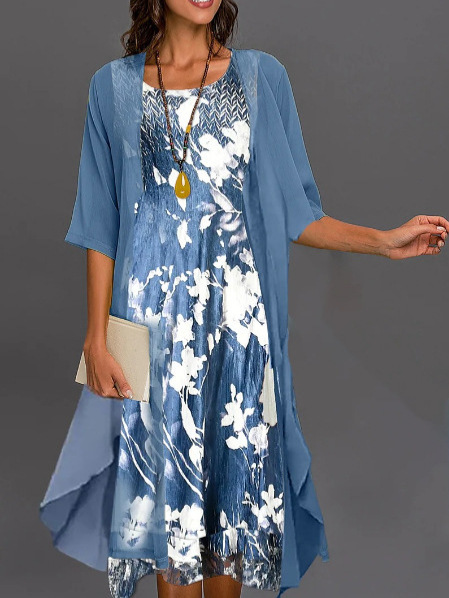
Chiffon rewards careful cutting: bias sections drape softly while straight-grain panels keep the line steady.
3. Garment Construction and Tailoring
Construction separates a dress that merely looks right from one that performs all night. Internal boning in a bodice provides structure, preventing the neckline from collapsing and the waist from rolling. Plastic or steel boning sits in channels stitched along the seams, and its placement should follow the body’s curves rather than cutting across them. Where a strap or narrow neckline meets the bust, silicone grip tape or a discreet grosgrain strip can hold the garment in place without visible hardware. Grosgrain waist stays, which are narrow ribbons sewn inside the waistband, distribute tension and keep the waist from stretching out during the evening.
Seam allowances are a quiet indicator of quality. Generous seams, often at least 1.5 centimeters on structural seams, allow for alteration and release when the fabric moves. Bias-cut seams require particular care because they stretch; they should be stabilized with understitching or a narrow tape to prevent wavy edges. Check the hem: a rolled or narrow hem on lightweight fabric signals careful finishing, while a rough, unfinished edge may fray during dancing.
Rise and inseam balance matter in jumpsuits and in any garment with a dropped crotch or fitted lower half. A dress or jumpsuit should sit at the natural waist without pulling across the hip when seated. For fitted styles, test a full bend and a seated position before committing. The rear panel of The Cassandre Lace Halter Neck Bodycon Long Dress Sleeveless Backless V illustrates this principle: a backless design depends on the halter tie and internal anchoring to remain secure, so its construction determines whether the open back stays comfortable throughout the night.
For context on how historic garments have been built and preserved, the Victoria and Albert Museum fashion collection offers extensive examples of boning, stays, and seam construction that inform modern tailoring. Similarly, the Costume Society publishes research on textile and garment conservation that can deepen your understanding of how construction holds up over time.
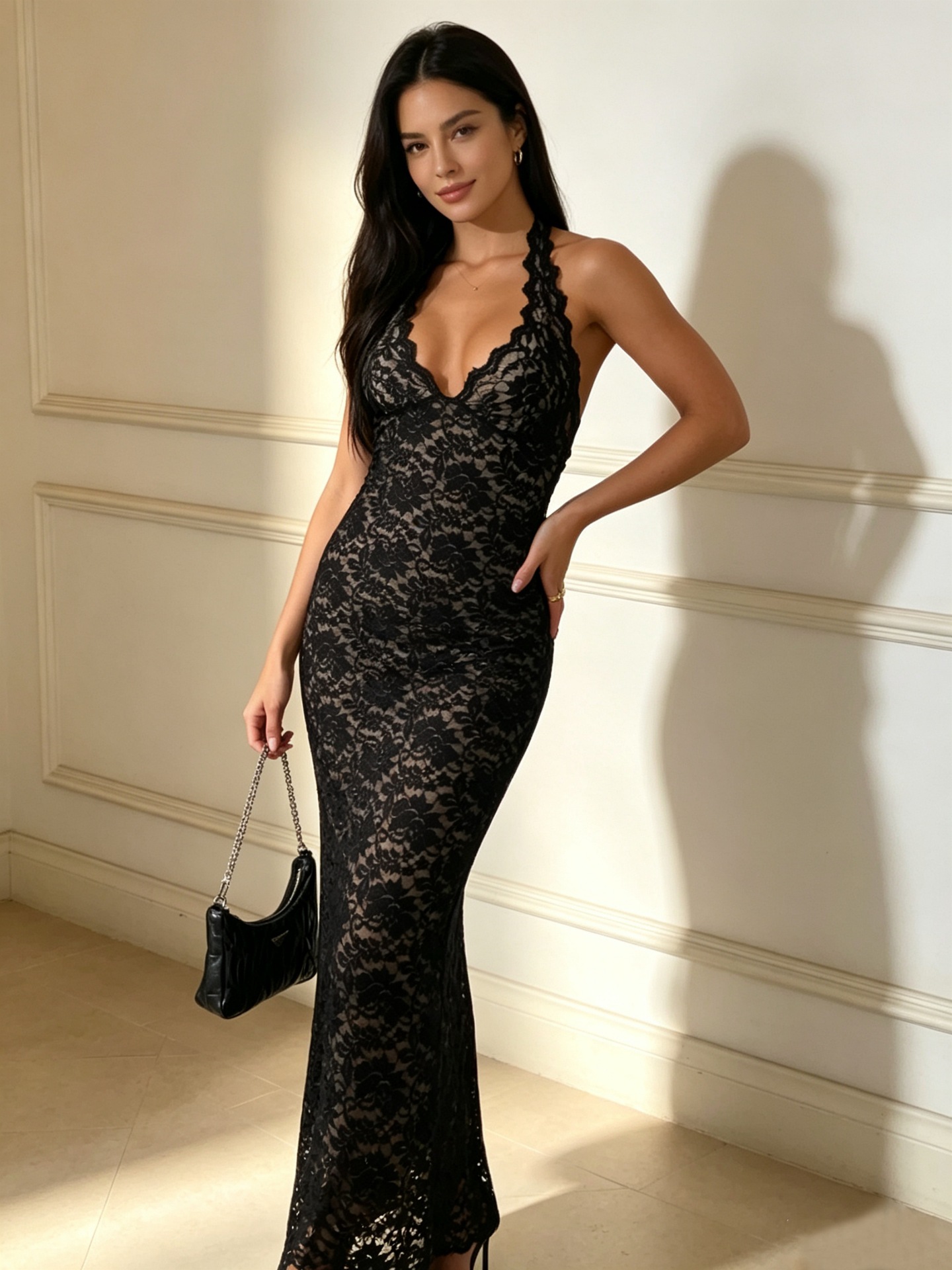
An open back depends on hidden anchoring: halter ties, internal stays, and tape keep the design secure on the dance floor.
4. Footwear, Outerwear, and Accessories
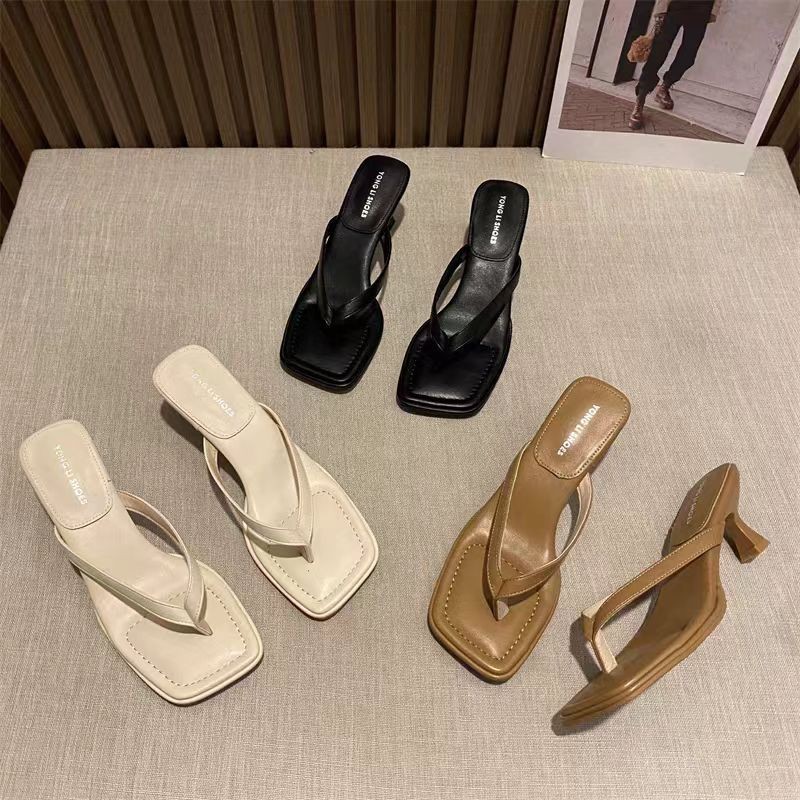
Footwear determines whether the evening remains manageable. A heel of three to four inches is the practical ceiling for most people who plan to dance, and the platform or block heel distributes weight more evenly than a stiletto. Look for a secure heel counter, a cushioned footbed, and a strap that holds the foot without pinching. Test the shoe by walking, pivoting, and climbing a few stairs. If you plan to transition from dinner to dancing, consider carrying a second pair of flats, which is a practice many stylists recommend for long nights.
Outerwear should complete the silhouette rather than disrupt it. A cropped jacket in a structured fabric can frame a column dress at the table and be removed without losing the line. Longer coats add drama but require consideration for coat check and warmth in transit. A wrap or shawl in silk or fine wool adds color and can cover bare shoulders during a cool dinner, then slip off easily on the floor. Choose outerwear whose lining and closure work with the dress: a bulky shoulder can compete with a ruffled neckline, while a sleek coat complements clean lines.
Accessories should be chosen for weight and function. A small clutch with a secure closure keeps essentials accessible while dancing, and a chain strap distributes weight better than a short handle. Jewelry at the neckline should be assessed against the garment’s construction: a heavy pendant can shift a V-neck or pull a delicate strap. Earrings that do not catch on hair or fabric avoid awkward adjustments mid-song. A simple layer of structure, such as a fitted belt or a lightly stiffened cuff, can reinforce the waist or wrist without adding bulk.
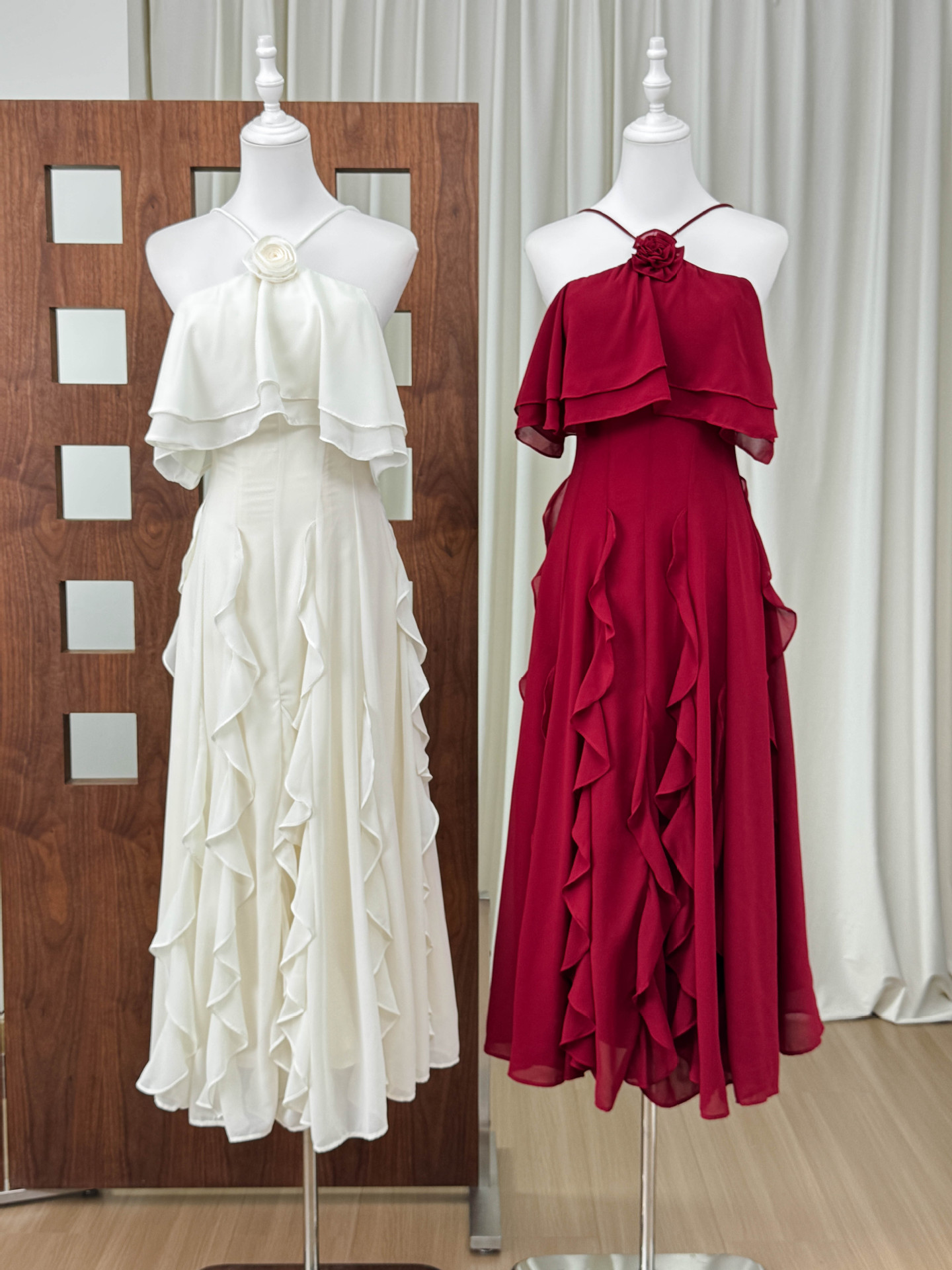
Ruffled shoulders set the tone, so keep footwear and jewelry restrained enough to let the neckline do the talking.
5. Fit Troubleshooting and Real-World Adjustments
Even well-made garments need adjustment for individual bodies, and most evening problems are predictable. If a bodice gapes at the bust, check whether the cup or darting is sized correctly and whether internal boning extends fully to the side seams. A small adjustment at the side seam or the addition of a bust cup insert can correct gaping without altering the neckline. If a strap slides, sew a small hook-and-eye at the back of the strap or add a discreet tape anchor; silicone grip tape applied to the inside of the strap and the bodice also reduces slippage.
Waist issues often stem from a mismatch between the waist position and the natural waist. A dress that pulls up or down can be corrected with a grosgrain waist stay sewn inside the waistband, which holds the garment at the intended height. If the skirt rides up while dancing, a narrow strip of silicone tape along the inside of the hem or a slip with a grip surface can stabilize it. Hemlines can be adjusted for shoes, but the adjustment must account for heel height: take the measurement while wearing the intended shoes and use a fitting mirror to check the length in motion.
Practical kit matters. Carry fashion tape for quick repairs, a small safety-pin cluster, spare hosiery in a neutral tone, and a travel-size deodorant or shield for perspiration. Keep a lint roller and a compact steamer or wrinkle spray nearby if the evening spans several hours. Test the entire outfit by sitting for an extended period, reaching overhead, and walking across a room. Fabrics that wrinkle at the hip or pull at the underarm should be assessed before the event, not during it. A garment that passes these tests at home is far more likely to perform through a dinner followed by a long night of dancing.
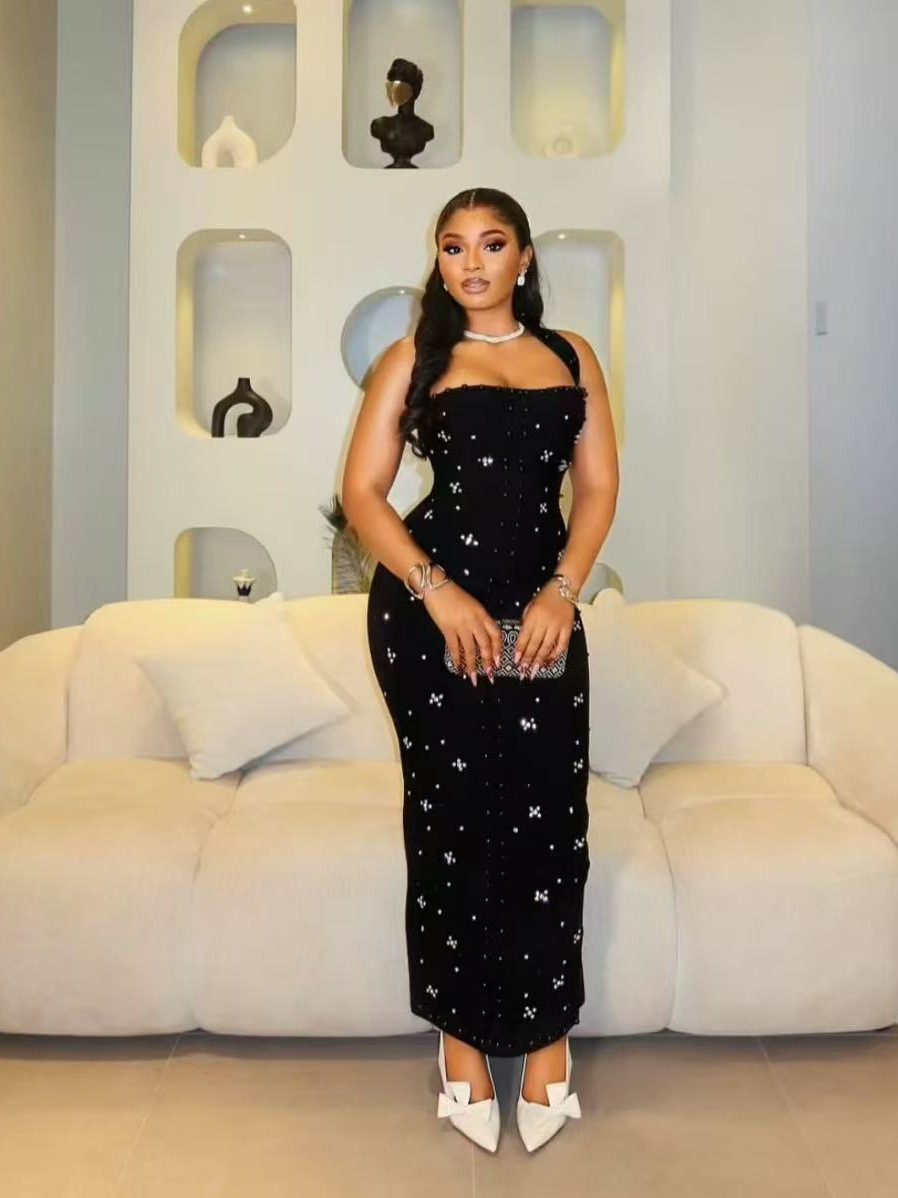
Bandage bodices demand precise fit: test seated posture, full arm movement, and a complete turn before the event.
The Styling Takeaway
A dinner to dancing evening outfit succeeds when every decision serves the full arc of the night. Silhouette sets the proportion, textile governs the behavior of the fabric, construction determines whether the garment holds under strain, and footwear and outerwear complete the transition. Each element should be tested against the realities of sitting, standing, moving, and adjusting, because the evening will ask for all of them. The garments discussed here, from the structured V-neck to the knit bodycon and the bias-draped chiffon, each demonstrate how thoughtful engineering can carry an outfit from candlelight to the dance floor without visible compromise.
The final test is confidence. An outfit that has been fitted, walked in, and sat in at home will feel secure when the music begins, and that security is visible in posture and ease. Plan for the transition: choose shoes you can dance in, carry a small kit of repairs, and confirm that your neckline, waist, and hem stay put through a full evening. When those foundations are in place, the outfit stops being a costume and becomes an extension of how you move through the night.