A small wardrobe is not a deprivation exercise. It is an editorial decision, the same kind a magazine makes when it chooses which pages earn space and which do not. The fashion houses that have historically held the strongest reputations for quiet authority, from the bias-cut evening gowns of the 1930s to the tailored separates that defined the postwar working woman, were built on garments that could be reconfigured without losing their identity. A dress worn with a belt reads differently than the same dress worn loose with boots, and a tailored jacket can shift from office to dinner with a change of shoes and a single piece of jewelry. The goal of a capsule wardrobe is to assemble pieces that carry this kind of range, so that every item earns its place through repeated use rather than a single appearance in a photograph.
Etiquette matters here as much as aesthetics. Dressing well in a limited wardrobe depends on respecting occasion, climate, and the body you are actually dressing. A cocktail reception calls for a different level of polish than a weekday meeting, and a lace suit dress that reads as sophisticated at dusk may need a cardigan or a structured coat in February. Good styling begins with an honest inventory: which events you attend, which weather you live with, and which silhouettes make you feel composed rather than costumed. From there, the principle is simple. Choose fewer garments, but choose them with enough structural intelligence that each can answer several different questions. A well-chosen wardrobe of perhaps thirty pieces, planned around three or four core silhouettes and a restrained palette, will outperform a closet of two hundred impulse purchases every time. The sections that follow examine how proportion, textile, construction, footwear, and fit work together to make a small wardrobe feel generous rather than limited.
1. Silhouette and Proportion: Choosing Shapes That Change Character
Silhouette is the first decision a versatile garment must survive. A silhouette is the outline a garment creates against the body, and it determines whether a piece reads as relaxed, structured, romantic, or severe. The most useful pieces in a small wardrobe tend to hold a clear, confident outline while leaving room for adjustment. A fitted bodice with a defined waist, for example, can be worn cinched with a grosgrain-lined belt for a traditional line, or unbelted with a long cardigan to create a softer column. The garment remains the same; the proportion changes.
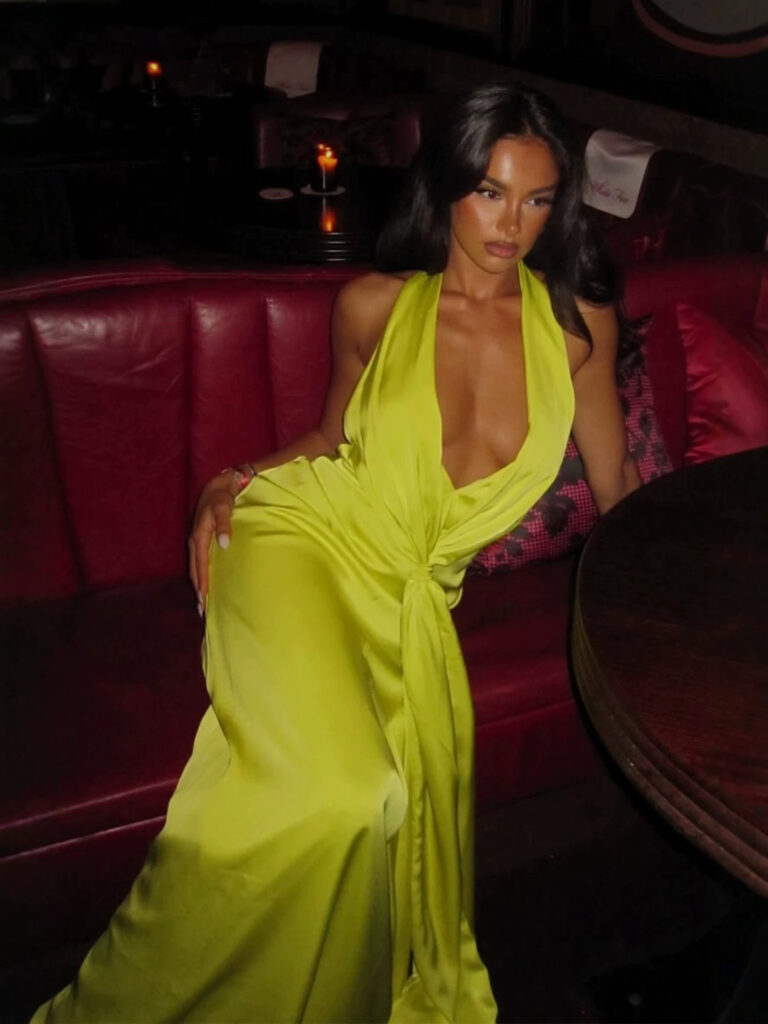
Proportion is the relationship between the parts of an outfit: the length of a hemline relative to the leg, the width of a shoulder relative to the hip, the depth of a neckline relative to the torso. Fashion editors have long used proportion to signal intention. A knee-length dress with a close-fitting bodice and a flared skirt creates vertical length when paired with a heeled pump, while the same dress with a chunky platform and an oversized coat shifts the balance toward something more casual and architectural. Think of your core pieces as having a neutral proportion that can be altered by what you add or subtract. A bodycon silhouette, for instance, is inherently body-conscious, but a pleated off-shoulder cut softens that line through the fullness of its pleats, which is why it can move from a dinner setting to a daytime lunch with a simple change of layer.
When assembling a capsule, test each silhouette against three contexts: a formal setting, an everyday setting, and a transitional setting where you would need to layer. If a piece only functions in one of these, it is a specialty item and should be weighed accordingly. The most flexible silhouettes usually share a few traits: a waistline that can be either defined or released, a hem length that works with multiple shoe heights, and sleeves or necklines that can be covered or left exposed. A retro suede tassel long-sleeve dress, for example, offers warmth through its sleeves and a textured surface that holds its own under a belt or open over trousers. Consider the Prudence Retro Suede Tassel Long Sleeve Dress as an example of a silhouette that can shift between seasons and occasions without losing its point of view.
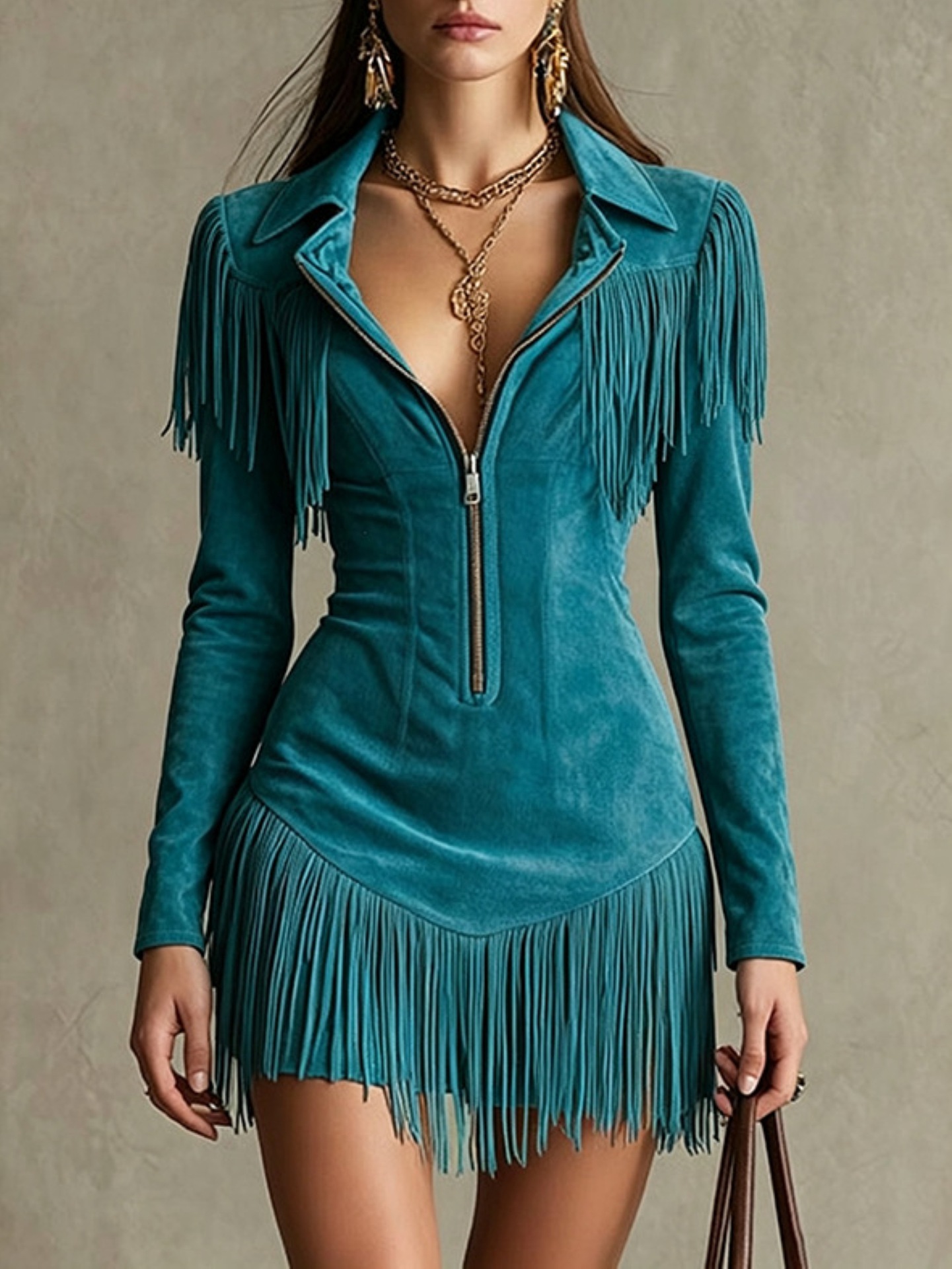
A long-sleeve suede silhouette that holds structure at the waist and softens into movement below.
2. Textile Weight, Weave, and Drape: Reading Fabric Before You Buy
Fabric determines how a garment behaves on the body across a full day, and it is the variable most often overlooked by shoppers who evaluate only color and cut. Textile weight is commonly expressed in grams per square meter (GSM) for knits and woven cloths alike. A lightweight crepe may sit around 100 to 140 GSM, a mid-weight ponte or suiting around 250 to 320 GSM, and a heavy wool coating well above 400 GSM. Heavier fabrics hold structure and resist wrinkling, which is why they suit tailored jackets and structured dresses. Lighter fabrics drape and move, which suits fluid skirts and evening pieces, but they require careful lining or layering to avoid transparency.
Weave and grain matter equally. A straight-grain garment, cut with the lengthwise threads running parallel to the center front, tends to hold its shape and resist stretching at the hem. A bias-cut garment, cut at a 45-degree angle to the grain, drapes with a fluid, clinging quality because the fabric can stretch along the diagonal. Bias cuts are unforgiving on fit, since small errors in the body measurement become exaggerated in the fall of the cloth, but they reward careful tailoring with an elegance that straight cuts cannot match. When evaluating a piece, lift a corner of the fabric and observe how it falls: a well-constructed garment should move with the body rather than fighting it.
Use the following comparison to weigh how common textiles perform across the situations a small wardrobe must cover.
| Fabric | Typical Weight | Drape and Behavior | Best Occasion Pairing |
|---|---|---|---|
| Lightweight crepe | 100 to 140 GSM | Fluid, soft, slight sheen | Daytime events, warm evenings |
| Stretch lace | 150 to 230 GSM | Clinging, sculpted, textured | Cocktail and evening dressing |
| Suede or faux suede | 300 to 400 GSM | Structured, matte, holds shape | Cool-weather days and evenings |
| Ponte knit | 250 to 320 GSM | Smooth, forgiving, recovers shape | Work, travel, transitional days |
| Wool suiting | 280 to 380 GSM | Crisp, structured, low sheen | Professional and formal settings |
A versatile wardrobe benefits from a mix of these textures. A stretch lace piece can carry evening events, but its sculpted fit pairs best with a structured jacket or a knit layer to moderate the sheen. The Emmanuelle Elegant Lace Suit Dress illustrates how a lace surface can be made wearable across contexts: its tailored suit construction gives it a daytime formality that becomes evening when accessorized with more polish. The lesson is that texture is a tool. Matte suede and crisp suiting anchor a wardrobe in cooler months, while lace and crepe add the lightness that keeps it from feeling heavy.
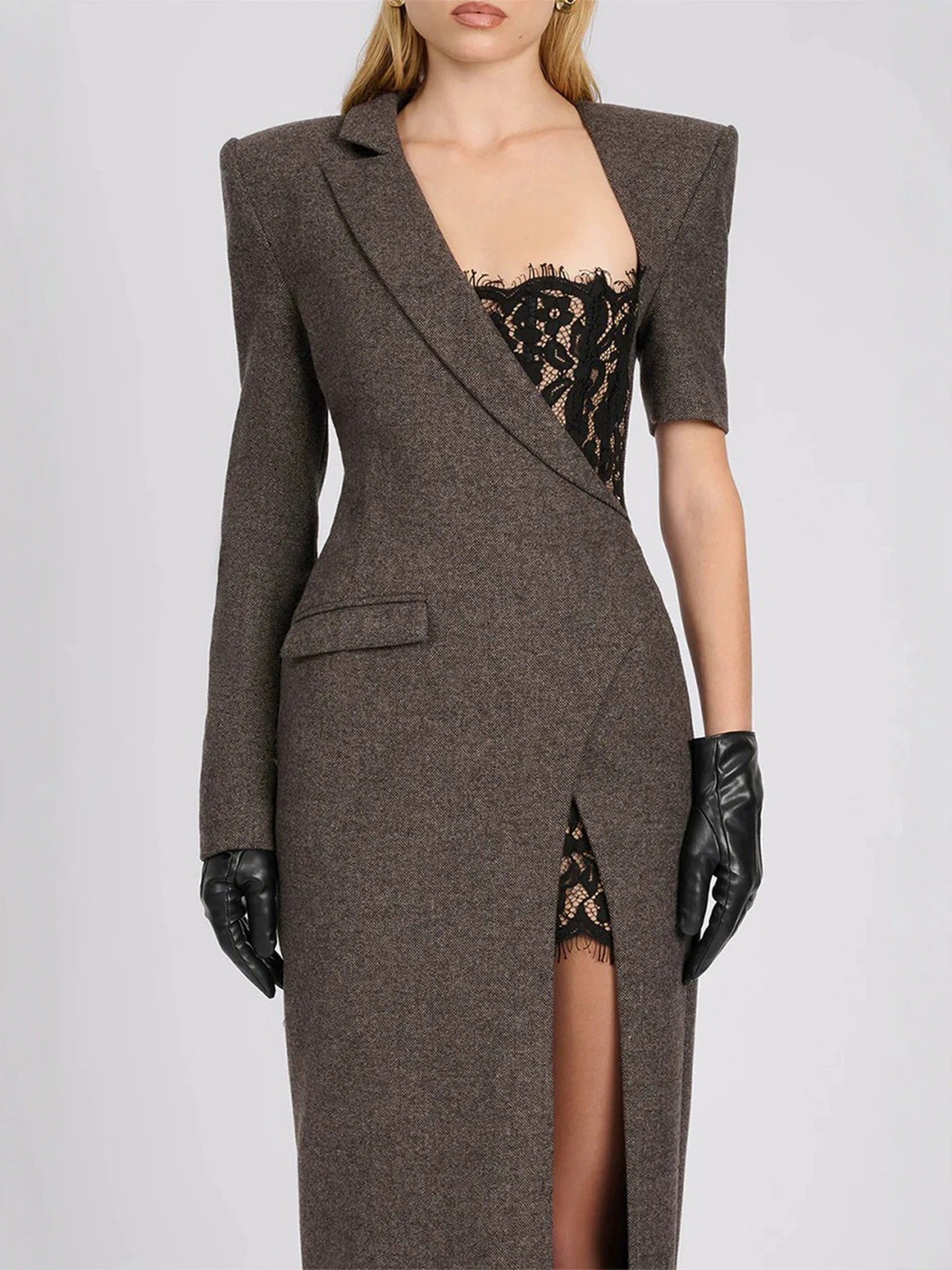
Lace with suit-level structure: a textile that reads formal by day and romantic after dark.
3. Garment Construction and Tailoring: The Invisible Architecture
Construction is where versatility is either built in or lost. The details inside a garment determine how it holds its line through repeated wear, how it responds to alteration, and whether it can be dressed up or down without collapsing. Internal boning in bodices provides structure and prevents gaping, typically using spiral steel, plastic, or fiberglass boning inserted into channels stitched along princess seams or side seams. Silicone grip tape, sometimes sewn along the inside of a waistband or neckline, keeps garments in place without visible hardware, which is especially useful for off-shoulder and strapless designs that must stay secure through a full evening.
A grosgrain waist stay is a narrow ribbon stitched to the inside of the waistband, typically around the seam allowance, to stabilize the waistline and prevent stretching. Grosgrain is a ribbed, tightly woven ribbon, and its firm structure keeps the waist from sagging over time. Seam allowances, usually between 1.5 and 2 centimeters in a finished couture-leaning garment, provide room for alteration; a garment with generous seam allowances can often be let out or taken in by a modest amount, whereas one cut with minimal allowance cannot. When evaluating a piece, check the interior: finished seams, enclosed edges, and reinforced stress points at the armholes and crotch are signs of careful construction.
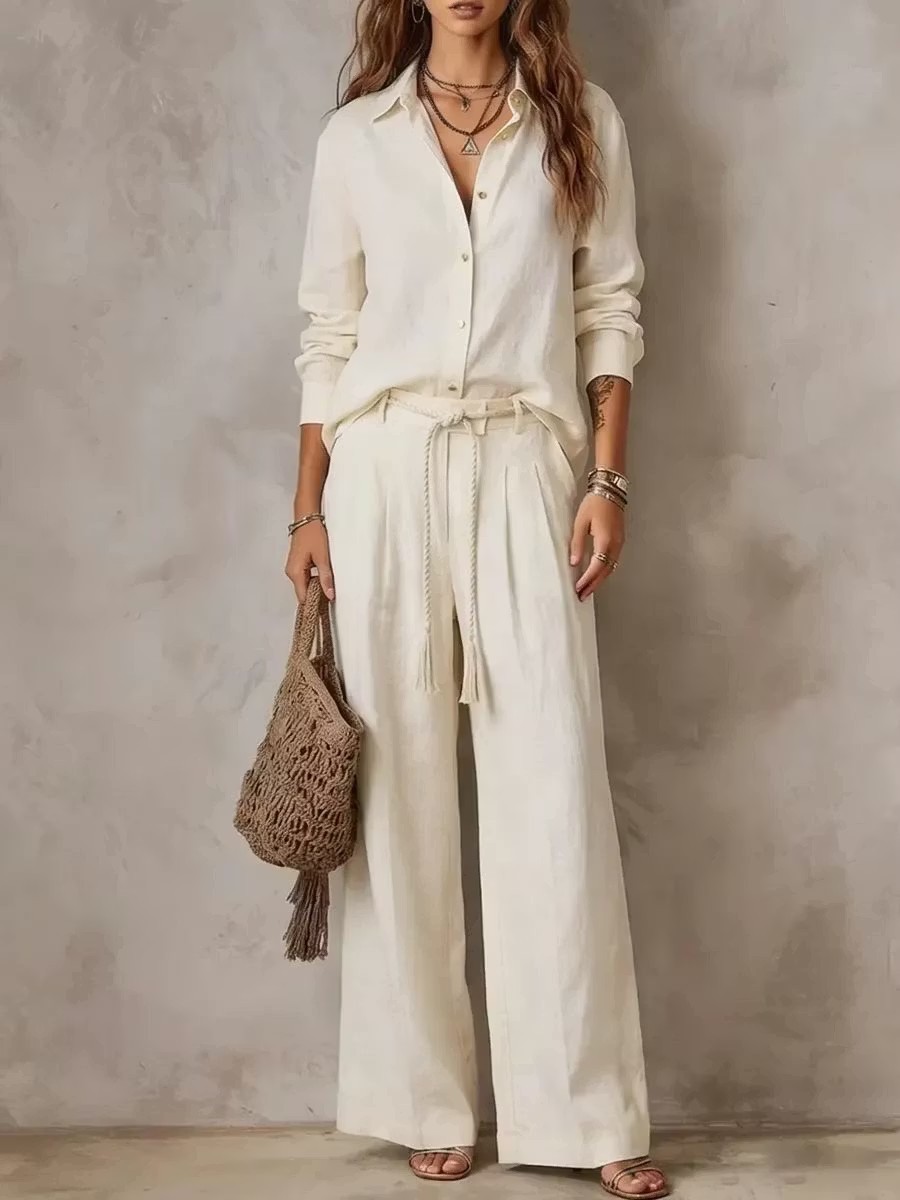
Rise and inseam balance matter in trousers and skirts with split or wrap detailing, where the relationship between the waist and the seat determines comfort and line. A low rise paired with a short inseam can shorten the leg visually, while a high rise with a longer inseam elongates it. For versatile pieces, a balanced proportion allows the garment to pair with heels, flats, and boots without requiring constant adjustment. A pleated off-shoulder bodycon, for example, depends on the strength of its internal elastic and grip tape to remain secure, and the quality of its pleating determines whether the fullness reads as deliberate or accidental. Tailoring is the discipline that connects all these details: it asks each seam to contribute to the silhouette rather than simply hold the fabric together.
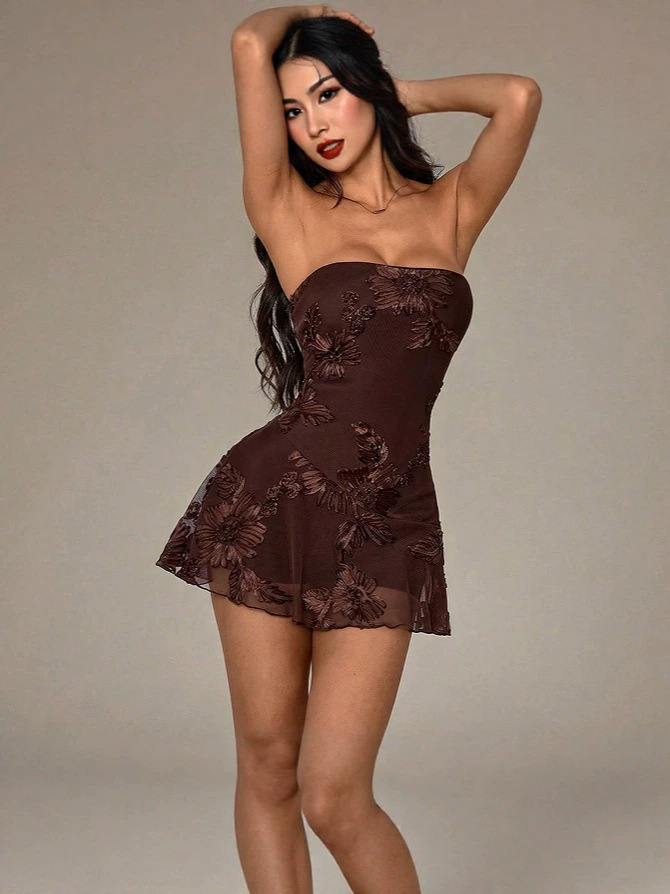
Strapless construction depends on boning, grip tape, and a fitted bodice to remain stable through the day.
For a deeper study of how garments were built and worn across centuries, the collections of the Victoria and Albert Museum fashion department offer documented examples of construction techniques, from eighteenth-century stays to mid-century tailoring, that remain useful references for anyone evaluating the internal structure of modern pieces. The Costume Society similarly publishes research on historical garment making that clarifies how structural choices shaped the way clothing was worn.
4. Footwear, Outerwear, and Accessories: The Pieces That Multiply Outfits
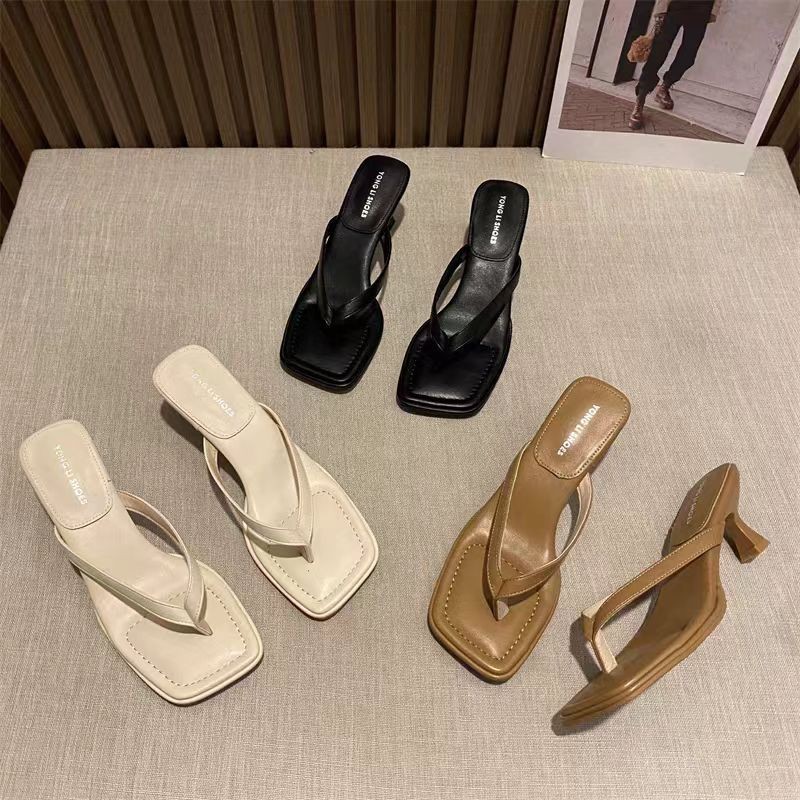
If the garments in a capsule are the foundation, footwear and outerwear are the multipliers. A single dress can become three distinct outfits through shoe height, coat length, and accessory choice, and this is where a small wardrobe gains its breadth. Heel height changes the proportion of a hemline: a midi length with a block heel reads relaxed and grounded, while the same length with a stiletto lengthens the leg and sharpens the outline. Flat footwear shifts a dress toward daytime and travel, and ankle boots bridge the gap between the two, pairing well with tailored and suede pieces.
Outerwear should be chosen to complement the fabrics already in the wardrobe. A structured wool coat over a lace or crepe dress creates contrast between the rigid and the fluid, while a soft knit cardigan over a suede dress keeps the look relaxed. Length matters: a coat that falls to mid-calf balances a midi dress, while a shorter jacket suits a knee-length hem. Accessories such as belts, scarves, and jewelry should be restrained in number so that they support rather than compete with the garment. A grosgrain or leather belt can define a waist, a silk scarf can soften a neckline, and a single statement earring can finish an evening look. The discipline is consistency: choose a small palette of metals, leathers, and neutrals that work across all pieces, so that every accessory can join any outfit.
The Zoe Spring and Autumn Hooded Sweatshirt shows that versatility extends beyond dresses. A hooded layer can soften a formal wardrobe on weekends, sit beneath a tailored coat in transitional weather, or travel as a comfortable companion to more structured pieces. In a capsule, these relaxed layers are not afterthoughts; they are the connective tissue that lets polished garments survive everyday life.
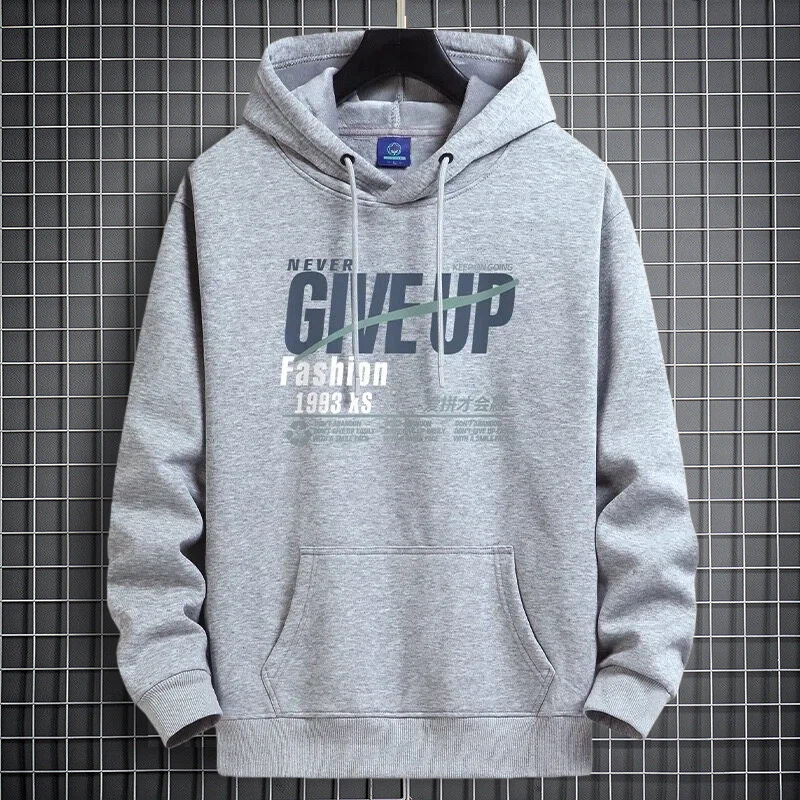
A relaxed hooded layer that bridges weekend ease and transitional outerwear.
5. Fit Troubleshooting and Real-World Adjustments
Even the best-constructed garment will misbehave if the fit is wrong, and most fit problems fall into a few predictable categories. Gaping at the bust or back neckline usually signals that the bodice is too large in the upper chest or that the darts need adjustment; a tailor can often correct this by taking in the side seams or moving the dart point. Pulling across the hip or bust, visible as horizontal stress lines, indicates that the garment is too tight in that zone, and the fix may require letting out seams if allowances permit. Sagging at the waist often points to a missing or worn grosgrain stay, which can be replaced or reinforced, or to a waistband that has stretched through repeated wear.
Foundation garments play a decisive role. A bodysconi silhouette will show every line of an undergarment, so seamless shapewear or a well-fitted bra with a smooth band is essential. Strapless and off-shoulder pieces depend on silicone grip tape or adhesive, and it is worth testing them seated, raised, and in motion before committing to a full evening. Hemlines that rise or fall unexpectedly often result from a mismatch between the garment’s grain and the way it is worn; a bias-cut skirt, for example, may drop after several hours if it has not been allowed to rest on a hanger for a full day after construction. Steam rather than press delicate textiles like lace and crepe, and store suede away from humidity to prevent it from stiffening or marking.
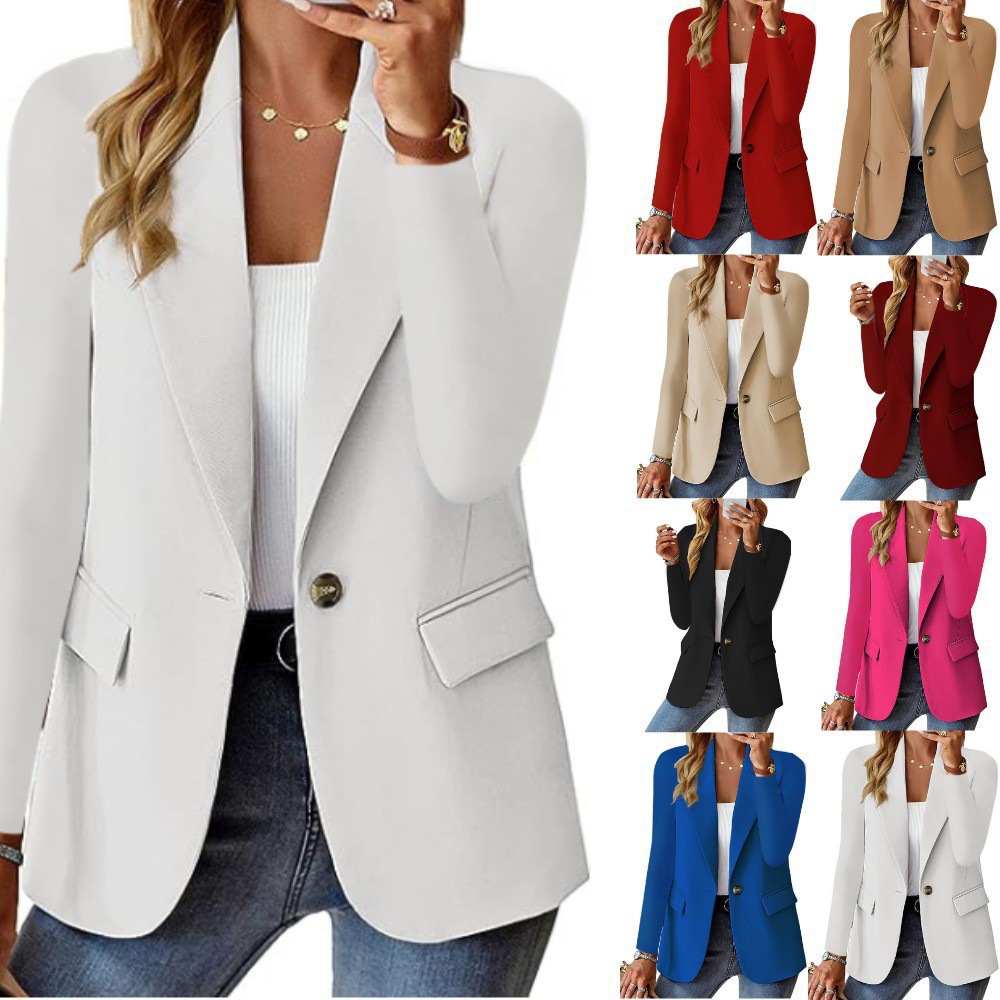
A clean single-layer blazer rewards small sleeve and waist adjustments, multiplying how many outfits a compact wardrobe can build.
Real-world adjustments also include planning for the body across a day. Fabrics that feel comfortable in a fitting room can feel restrictive after several hours of sitting, so test pieces with the movements you actually make: reaching, sitting, climbing stairs. A dress that works in a standing pose may bind at the seat when seated, and a neckline that holds in stillness may shift when raised. Keep a small kit with safety pins, a travel steamer, fashion tape, and a spare button, because these tools extend the life of a capsule. A well-fitted garment, supported by the right foundation and maintained with care, will serve for years, which is the ultimate economy of a small wardrobe.
The Styling Takeaway
A small wardrobe succeeds when each piece is selected for its capacity to change, not for its performance in a single outfit. The guiding questions are structural: does the silhouette hold a clear line while leaving room for adjustment, does the fabric weight and grain suit the occasions you attend, does the construction survive alteration and repeated wear, and do the shoes, outerwear, and accessories multiply its uses? When these questions are answered honestly, a modest collection of perhaps thirty pieces can cover work, evenings, travel, and weekends with a sense of intention that a larger closet rarely achieves. The garments earn their place not by appearing new each season but by continuing to make sense across contexts.
The practical discipline is ongoing. Revisit the capsule each season, retire pieces that no longer fit or no longer reflect your routine, and add only when a gap is clear and the new garment can answer several needs at once. Maintain what you own: steam delicate textiles, reattach fastenings, and have alterations made before a garment is abandoned. Dress for the body you have today and for the events you truly attend, and let each choice reflect a point of view rather than a passing trend. A small wardrobe, chosen with editorial rigor and cared for with patience, becomes a language of its own, one that speaks clearly in any room and rewards the quiet confidence of getting dressed well.