A long-sleeve dress is the closest thing fashion has to a universal translator. It speaks fluently to a Monday boardroom, a Friday dinner reservation, and a Sunday brunch without ever repeating itself word for word. The secret is not owning five dresses for five occasions, but understanding how one well-cut dress can be read differently depending on what you place around it. Sleeves do a lot of quiet work. They change the formality of an outfit faster than almost any other detail, establishing proportion and presence from the moment you enter a room.
What follows is a practical breakdown of how to take a long-sleeve dress from a nine-to-five silhouette to something with evening intentions, using cut, fabric weight, and the right supporting cast of footwear, outerwear, and curated jewelry.
Why the Long Sleeve Deserves More Credit
There is a tendency to treat sleeve length as an afterthought, a seasonal detail rather than a styling tool. That is a mistake. A sleeve changes the proportion of the entire garment. A fitted long sleeve elongates the arm and draws the eye downward toward the waist, which is why so many tailored dresses use it to create a tidy, composed silhouette. A looser, draped sleeve does the opposite: it softens the shoulder line and introduces movement, which reads as more relaxed or more romantic depending on the fabric.
As documented in curated fashion archives at the Victoria and Albert Museum, sleeve architecture has historically defined the silhouette of formal dress. This is why a dress like The Marine Dress with a Fitted Skirt and a Middle works so well as a foundational piece. Its fitted sleeve and structured skirt give it an architecture that reads polished without trying too hard, which means it can move between settings with only minor adjustments to what surrounds it.
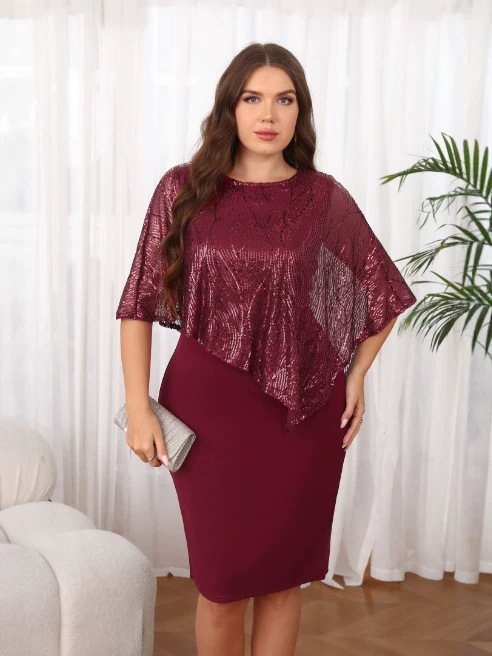
The Marine Dress pairs a fitted sleeve with a structured skirt, creating a crisp foundation for executive meetings.
The Office: Structure Without Stiffness
Workwear has quietly become one of the more interesting categories in fashion, mostly because the old rules of blazers and trousers have loosened considerably. A long-sleeve dress is now one of the fastest ways to look finished for a 9 a.m. meeting without reaching for a suit.
The formula here is restraint. Choose a dress with a defined waist or seam detail, since this gives the eye a clear structure to follow, which reads as intentional rather than accidental. Keep the color palette controlled with navy, charcoal, deep burgundy, or classic black, and let texture do the talking instead of pattern. A matte crepe or a slightly structured jersey holds its shape through a long day of sitting and standing, which matters more than people admit.
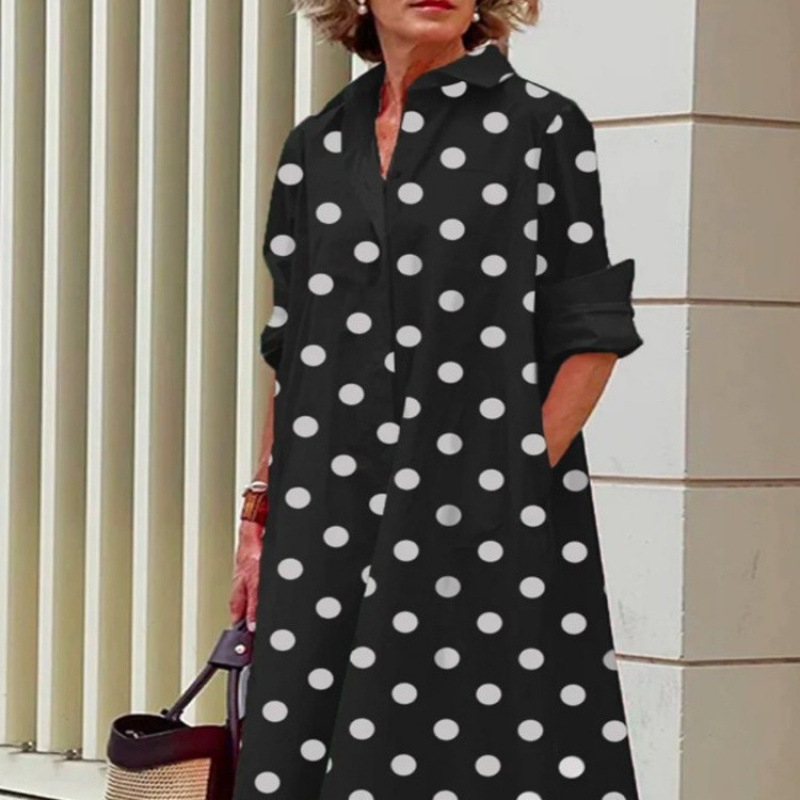
A clean long-sleeve midi silhouette delivers workday polish on its own without requiring a heavy suit jacket indoors.
Footwear should lean toward a closed, low-to-mid heel pump or a sleek leather loafer if the dress has a shorter hem. Avoid anything too delicate for daytime; a strappy sandal signals evening regardless of what the dress is doing. A structured leather tote completes the look. If the office runs cool, a tailored blazer thrown over the dress, left open rather than buttoned, adds authority without erasing the dress shape underneath.
| Element | Office-Appropriate Choice |
|---|---|
| Sleeve Fit | Fitted or tailored, not oversized |
| Fabric | Matte crepe, ponte, structured jersey |
| Footwear | Closed-toe pump, loafer, low block heel |
| Outerwear | Tailored blazer or structured coat |
| Jewelry | Minimal (one statement piece max) |
Evening Out: Let the Fabric Lead
Once the sun goes down, the dress code shifts, and so should the fabric doing the talking. This is where sheer chiffon weave earns its evening reputation. It moves in a way that structured daywear fabrics simply do not, catching light and shifting with the body instead of holding a fixed shape. That movement is exactly what reads as evening to the eye, even before anyone registers the cut.
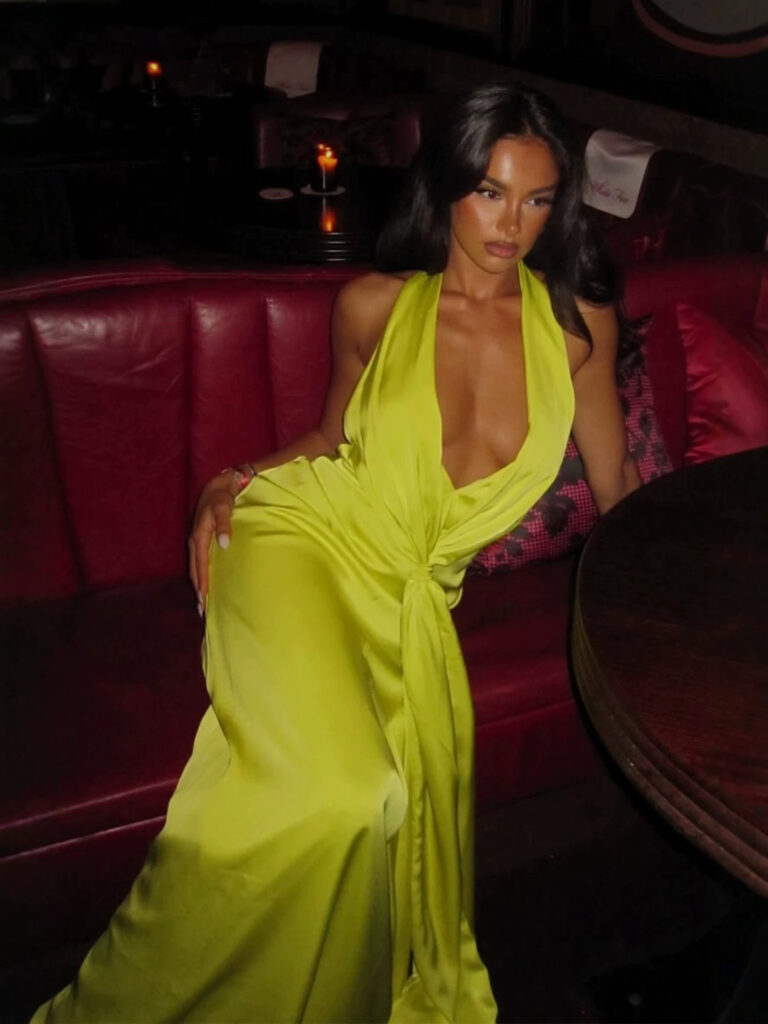
The Isaline Fashionable and Elegant Chiffon Dress is a useful example of how a long sleeve does not have to mean heavy or covered-up. The sheer weight of chiffon on the sleeve keeps the overall look airy, while the silhouette underneath still provides shape. This is the balance to look for when choosing an evening dress with long sleeves: enough structure to hold the body line, with enough drape to keep it from looking stiff under restaurant or gallery lighting.
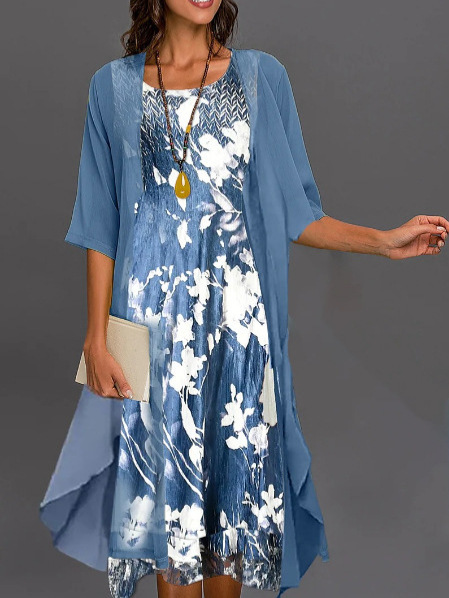
The Isaline Chiffon Dress uses sheer sleeve weight to keep a long-sleeve silhouette light enough for evening engagements.
For footwear, this is where heel height can climb and strap detail can get more interesting. A slim ankle-strap heel or a pointed mule elongates the leg and balances the fuller movement of a chiffon skirt. Jewelry can get bolder here too: a sculpted drop earring or an architectural gold cuff provides a touch of shine, since the fabric itself is not competing for attention the way a bold print would.
Choose a compact clutch over a large tote for evening. If the venue calls for an extra layer without sacrificing the silhouette, a cropped velvet or faux-fur jacket worn open over the shoulders preserves the dress line while keeping the sleeve detail visible.
Formal and Semi-Formal: When the Dress Should Do the Work
There is a specific category of event, including formal dinners, awards galas, and milestone celebrations, where the dress needs to carry the visual weight on its own, with accessories playing a genuinely supporting role.
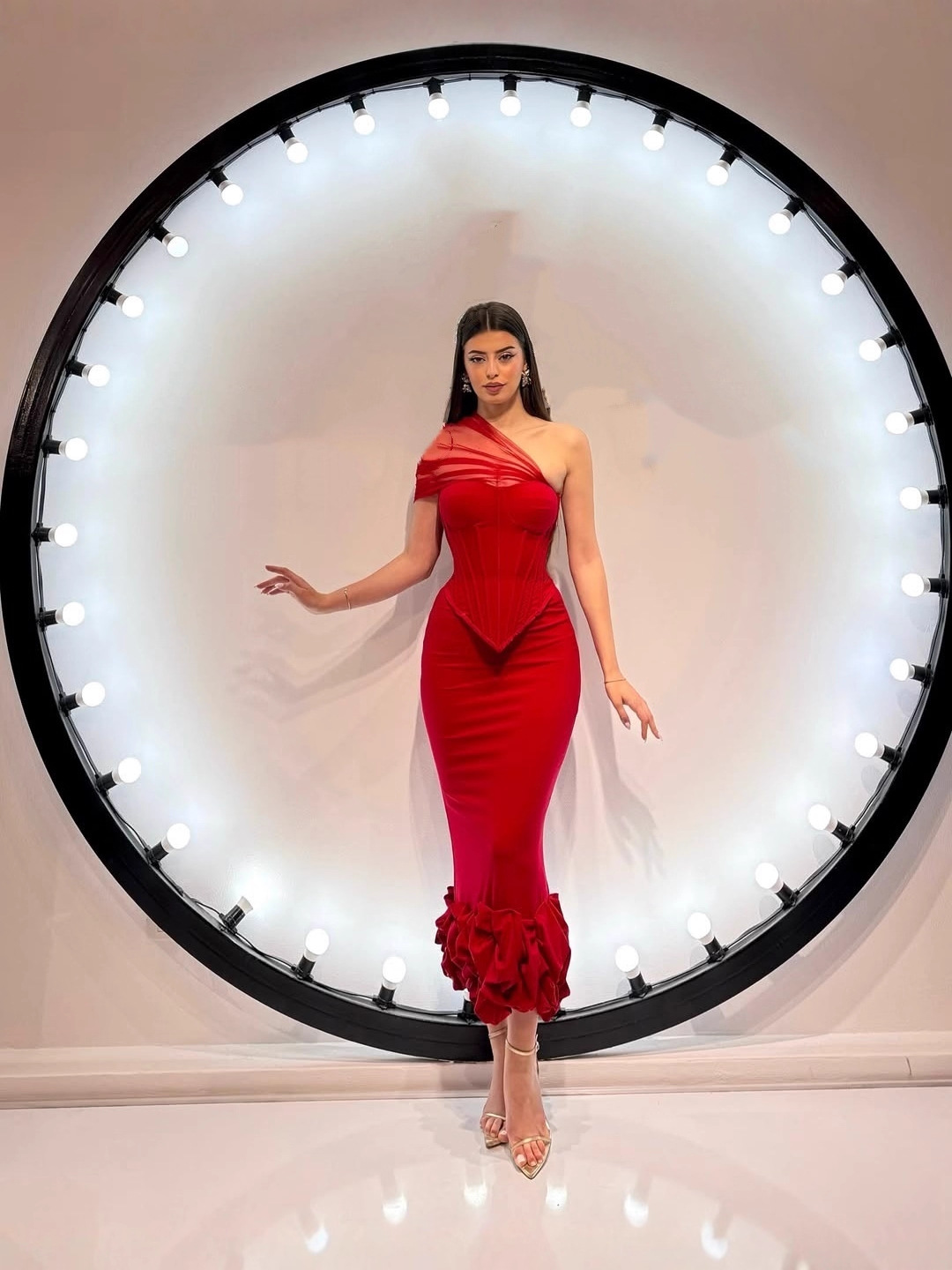
The Anais Fashionable and Elegant Chiffon Dress illustrates this principle with precision. Its long sleeve and floor-grazing proportion give it formal stature without requiring heavy accessorizing to read as occasion-appropriate. In settings like this, the styling instinct should be subtraction rather than addition.
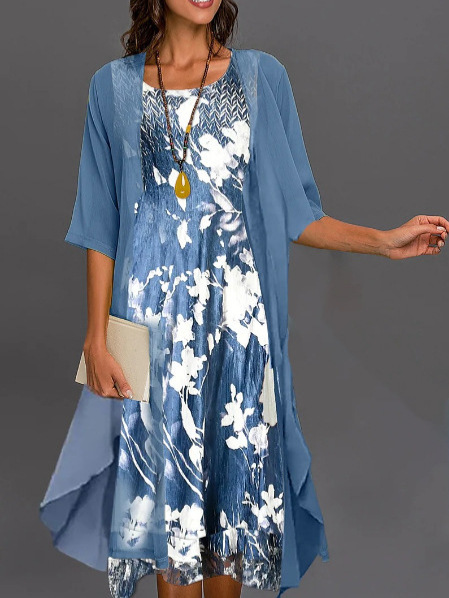
The Anais Chiffon Dress carries formal weight through length and fluid drapery, allowing accessories to remain minimal and considered.
Keep jewelry to a single focal point, such as drop earrings or a delicate necklace, but rarely both together. Hair should be swept back or styled in an updo, since a long sleeve already draws attention to the upper body, and loose hair competing with sleeve detail tends to clutter the overall line. A metallic heeled sandal or a classic pump in a neutral tone finishes the look cleanly. If the room calls for a wrap, a fluid silk stole preserves the dress drape rather than fighting it.
Weekend and Casual: The Long Sleeve Off-Duty
This is where many wardrobes underutilize the long-sleeve dress, treating it as strictly formal wear when it is genuinely one of the most versatile weekend pieces available. The key is adjusting fabric weight and footwear: swap anything with high sheen or rigid construction for a soft knit or brushed modal, and the formality softens immediately.
A long-sleeve knit dress paired with knee-high leather boots reads as effortless rather than dressed-up. A structured boot such as The Faustine Pointed Toe High Boots anchors the dress, creating an unbroken vertical line that looks deliberate and tailored.
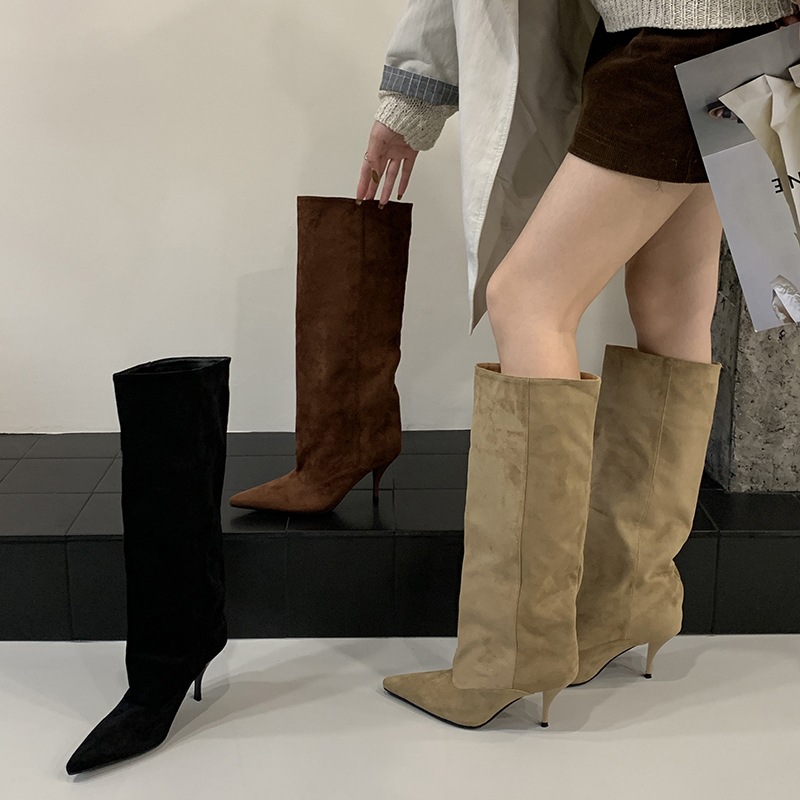
The Faustine High Boots ground fluid midi and knit dresses, creating a streamlined Parisian silhouette for off-duty days.
Add a crossbody leather bag instead of a clutch or tote, and push the sleeves slightly up toward the mid-forearm. This simple adjustment exposes the wrist, creates natural fabric gathering, and makes the whole ensemble feel relaxed and approachable for afternoon brunch or weekend travel.
Cold Weather: Layering Without Losing the Shape
When autumn turns crisp and winter approaches, the challenge is staying warm without concealing the dress under shapeless volume. Successful cold-weather layering is about complementary lengths and strategic waist definition.
First, consider coat proportions. Your coat should either be distinctly shorter than the dress (such as a cropped shearling or tailored leather jacket that hits right at the natural waist) or distinctly longer (a wool trench or tailored overcoat that extends past the dress hem). A coat that ends at the exact same level as a midi dress creates an awkward double hemline that cuts the leg horizontally.
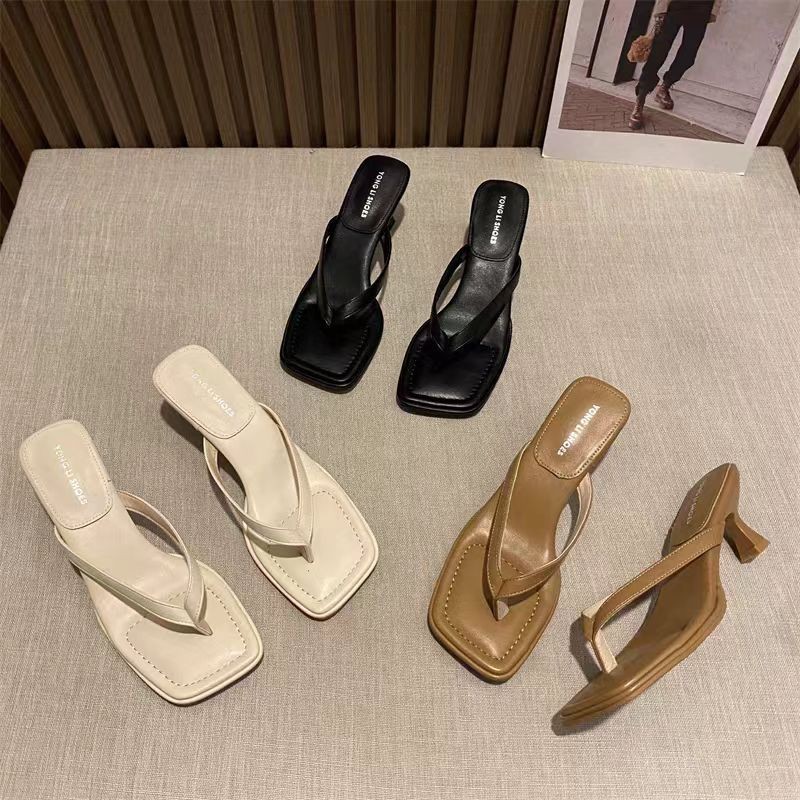
Architectural footwear transitions: Refined square toes provide structural balance when layering heavier outerwear over dresses.
Second, use waist belts over your outerwear when wearing heavier wools. Cinching a long tailored coat restores the hourglass proportion even when layered over a thick knit dress. Finally, thermal base layers worn underneath fitted long sleeves provide invisible warmth without adding external bulk.
The Styling Takeaway
Styling a long-sleeve dress is ultimately an exercise in quiet confidence. When the garment provides structure and coverage, you are liberated to let footwear, fabric contrast, and subtle hardware carry the outfit. By adjusting sleeve placement, balancing footwear weight, and trusting classic lines, this single staple will serve you across every season and every occasion on your calendar.