Attending a wedding as an esteemed guest carries an unspoken sartorial responsibility. One must honor the occasion through intentional elegance while preserving the spotlight entirely for the couple. Striking that elusive balance often creates genuine apprehension. Arriving underdressed signals a careless disregard for the formal celebration, whereas appearing excessively ornate risks drawing attention away from the altar. Learning how to select a wedding guest dress without looking overdressed is rooted in understanding garment architecture, texture, proportion, and tonal restraint.
Modern ceremonies rarely follow rigid, monolithic conventions. A couple may blend black-tie expectations with an outdoor vineyard ceremony, or request cocktail attire in an industrial loft gallery. To navigate these diverse environments, a refined guest must look past surface-level glitter and focus on structural sophistication. True sartorial poise never shouts; it persuades through precision of cut, flawless fabric drape, and thoughtful integration of accessories.
Decoding Dress Codes: Nuance Over Literalism
Invitations frequently feature dress codes that seem ambiguous or contradictory at first glance. Terms such as elevated cocktail, black tie optional, or refined garden party require thoughtful interpretation. The secret to remaining beautifully dressed without crossing into excess lies in analyzing the venue setting, the time of day, and the regional customs of the hosts.
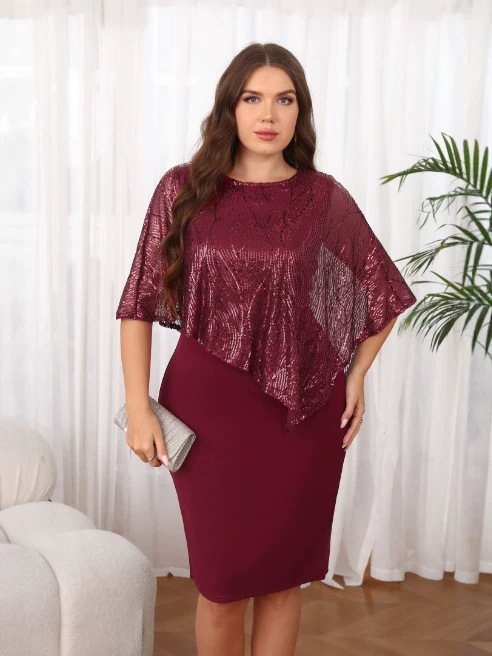
Structured sheath silhouettes offer an impeccable balance of dignity and polish for daylight ceremonies.
When an invitation stipulates black-tie optional, guests often default to voluminous ballgowns loaded with metallic beadwork. Yet a sleek column gown in heavy crepe or a meticulously structured dress such as The Marine Dress with a Fitted Skirt and a Middle achieves equal formality with far greater restraint. By opting for clean vertical lines rather than wide skirts supported by crinoline, you honor the formal threshold without competing with bridal volume.
| Dress Code | Optimal Silhouette | Recommended Textiles | Elements to Avoid |
|---|---|---|---|
| Black Tie Optional | Floor-length column or sleek tailored sheath | Silk crepe, matte satin, bonded georgette | Full tulle skirts, bridal trains, heavy crystal encrusting |
| Formal Evening | Refined maxi or ankle-skimming slip | Double-faced satin, heavy fluid chiffon | Neon palettes, floor-scraping trains, reflective sequins |
| Cocktail Attire | Midi dress with architectural neckline | Crepe de Chine, fine lace, fluid plisse | Stiff red-carpet gowns, casual daytime sundresses |
| Garden or Coastal | Tiered A-line midi or asymmetric hem | Silk chiffon, breathable linen blends, voile | Velvet, dark brocades, rigid stilettos that sink into grass |
Silhouette Architecture and Proportion Control
The architecture of a dress governs its visual volume. When guests feel overdressed, the culprit is rarely the quality of the garment; it is almost always exaggerated proportion. High-density embellishments combined with voluminous silhouettes command enormous visual space. In contrast, an expertly drafted silhouette establishes presence through proportion and clean seam balance.
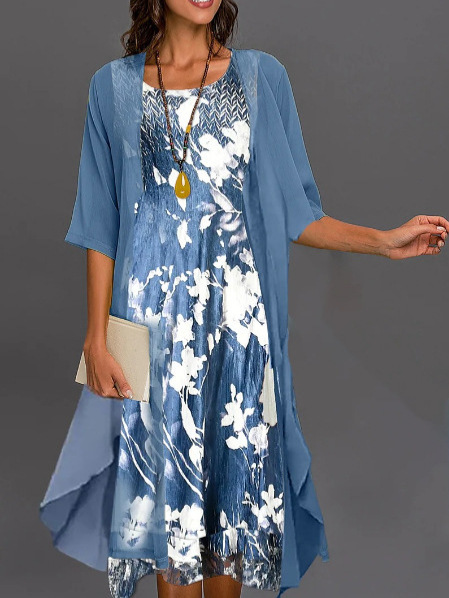
Soft drape and disciplined shoulder architecture prevent evening gowns from feeling overpowering.
Consider the structural composure of The Isaline Fashionable and Elegant Chiffon Dress. The garment employs a disciplined shoulder line that frames the collarbone without aggressive decolletage, paired with soft tiers that provide graceful movement while sitting or walking. Because the skirt flows close to the natural frame rather than flaring out into stiff crinoline, it registers as effortless luxury rather than theatrical costume.
Garment interior architecture plays a decisive technical role in how relaxed you appear. A well-constructed dress incorporates interior waist stays, which are grosgrain ribbon anchors sewn to the inner waistline. A waist stay secures the garment snugly to your skeletal waist, transferring the entire garment weight onto your hips. This prevents the bodice from slipping downward or pulling across the shoulders throughout a long evening of dinner and dancing. When your dress remains anchored in place, you move with unbothered poise instead of constantly adjusting straps or tugging at necklines.
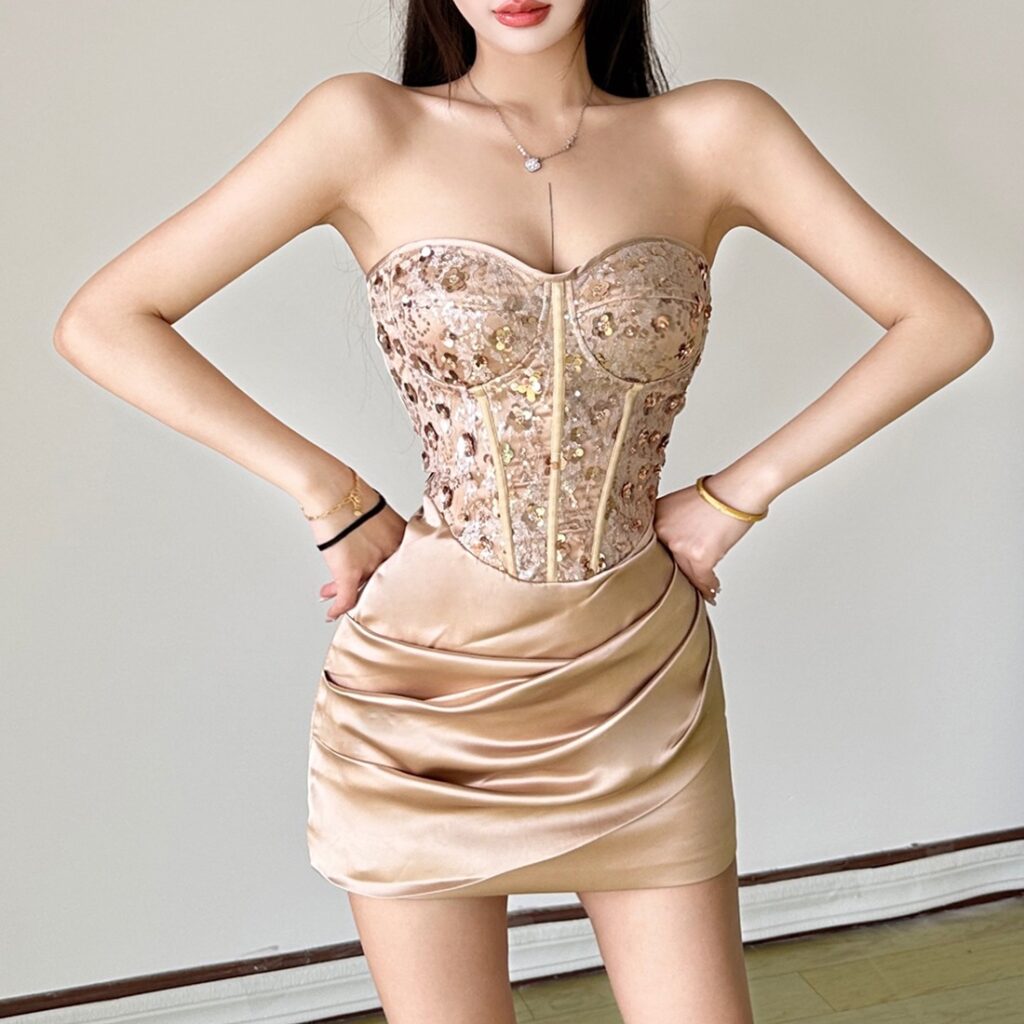
Similarly, garments constructed with internal corset boning must be distinguished from rigid historical corsetry. Modern haute couture uses flexible synthetic whalebone or lightweight spiral steel boning positioned along the princess seams. This internal scaffolding creates smooth lines over the torso without requiring external laces, hoop petticoats, or distracting surface decor. The dress looks quiet and understated on the exterior, yet fits with sculptural precision.
Fabric Weight, Drape, and Textile Selection
Textile selection dictates how a garment reflects light, reacts to movement, and registers across camera lenses. High-sheen fabrics like metallic lamé or heavy satin can catch artificial flash photography aggressively, inadvertently stealing focus in group portraits. For wedding celebrations, matte and semi-matte textiles provide superior dignity and visual warmth.
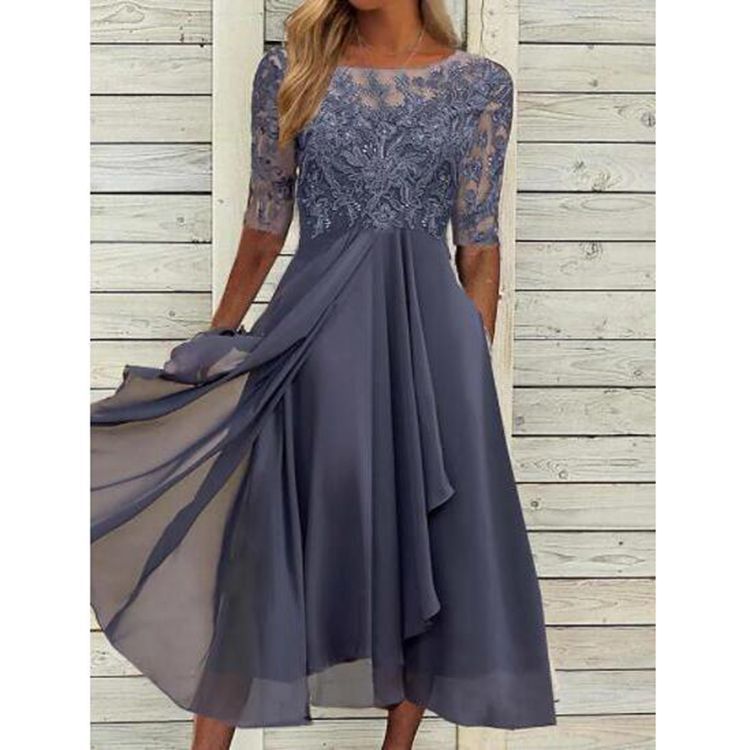
Lightweight chiffon with delicate lace splicing offers movement and ceremony polish without competing with bridal formality.
The fluid ease of The Anais Fashionable and Elegant Chiffon Dress exemplifies this textile philosophy. Crafted from fine chiffon with controlled seam finishes, the fabric catches natural sunlight with soft dispersion rather than sharp glare. The textile breathes comfortably through warm afternoon vows and retains its crisp drape into evening receptions.
As documented in historical textile studies by The Costume Society, the weight and thread count of woven silks determine the drape coefficient of any evening gown. Heavy duchesse satin possesses a high stiffness index, causing skirts to hold dramatic, voluminous angles suited for royal ceremonies or bridal trains. Conversely, crepe de Chine, double georgette, and medium-weight silk chiffon offer fluid bias movement that hugs the body naturally. By selecting textiles with soft bias drape, wedding guests achieve regal poise while keeping the garment silhouette quiet, modern, and unassuming.
When selecting fabrics, pay close attention to weave resilience. Outdoor celebrations often involve humidity, garden soil, or maritime breezes. Crepe fabrics and tightly spun chiffon resist deep wrinkling caused by prolonged banquet seating. You remain pristine from the opening processional through the final farewell toast without needing to visit the powder room for urgent garment steaming.
The Subtlety of Color: Navigating Palettes Beyond White and Black
Color etiquette is the most closely observed dimension of wedding guest styling. The foundational rule remains non-negotiable: reserve all shades of pure white, ivory, ecru, alabaster, champagne, and pale cream exclusively for the bride. Even soft pastels, such as pale blush or ice blue, can appear indistinguishable from ivory under strong flash photography or bright afternoon sunlight.
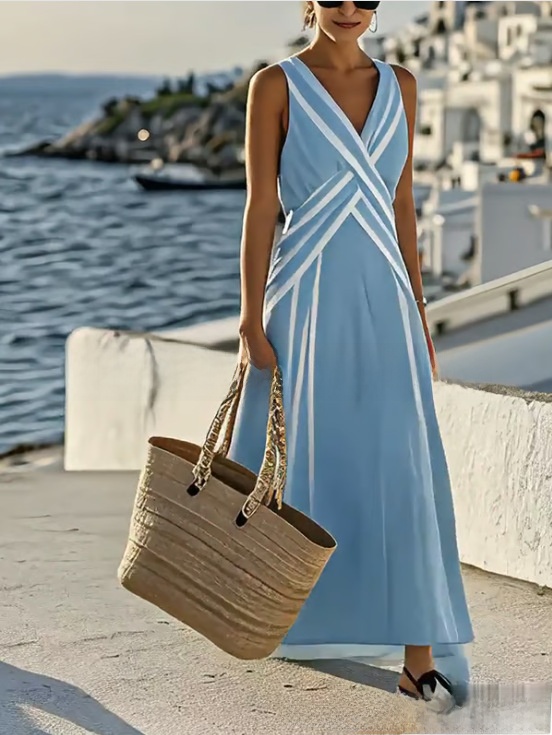
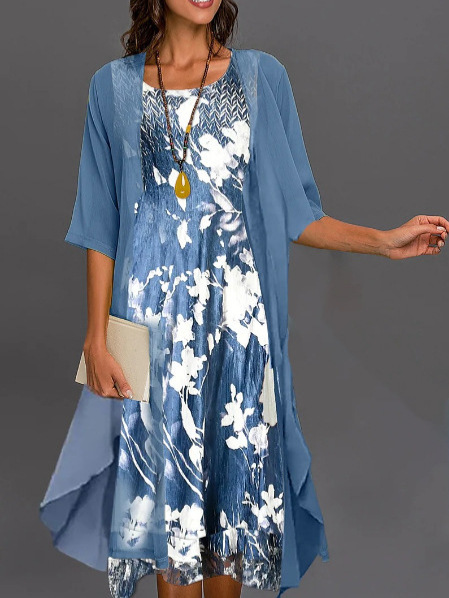
A balanced print on an A-line silhouette introduces colour depth while steering clear of bridal ivory and stark black.
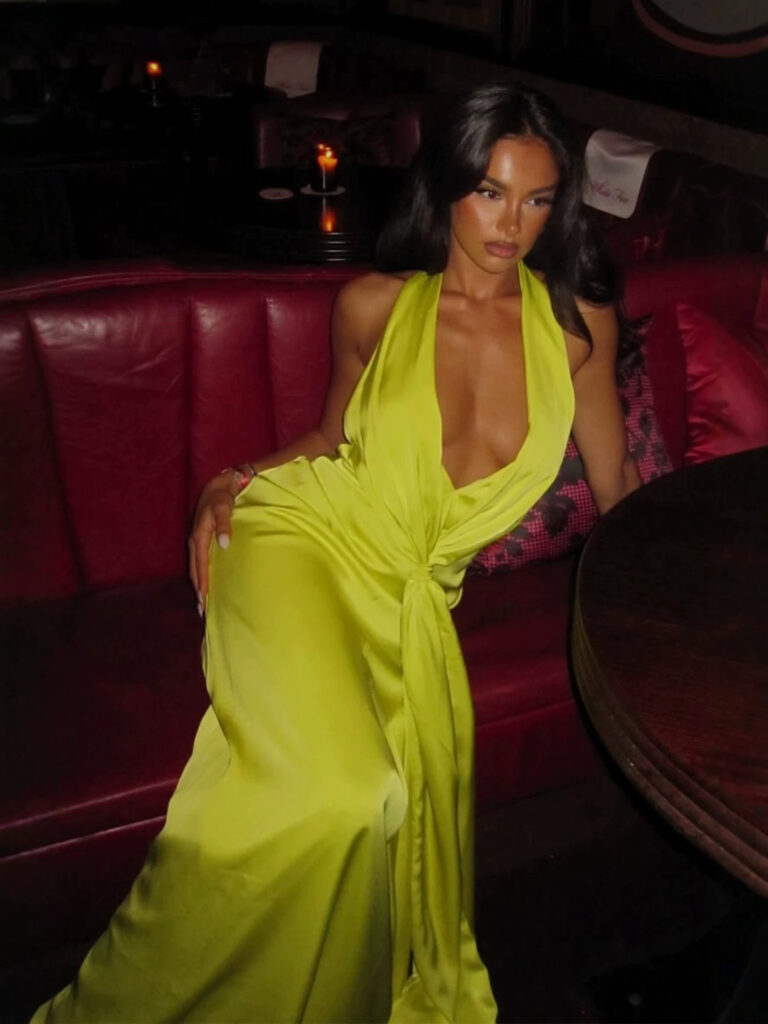
Saturated jewel tones and earthy botanicals offer safe, deeply sophisticated terrain. Rich emerald, sapphire, French navy, deep plum, terracotta, and burnt amber impart luxury without overwhelming the surrounding bridal party. For evening banquets, architectural gowns such as The Sylvie Halter Neck Evening Dress leverage clean structural cutaways along the back rather than garish color choices. The focused silhouette balances modesty in front with artistic design in the rear, creating an arresting yet disciplined profile.
Prints also demand thoughtful calibration. Large graphic florals or hyper-saturated abstract patterns can dominate every photograph. Smaller micro-florals, watercolor washes, or subtle animalier jacquards provide pattern interest while remaining polite to the bridal aesthetic. When a print incorporates neutral ground tones, it integrates naturally into garden, vineyard, or ballroom environments.
Tailoring, Foundation Garments, and Fitting Adjustments
Nothing reveals an overdressed anxiety faster than a poorly fitted garment that requires constant physical surveillance. An ill-fitted dress forces the wearer into fidgeting, adjusting sliding straps, or holding their torso in an unnatural posture. Conversely, a simple dress tailored with millimeter precision reads as bespoke luxury.
Before attending a wedding, inspect three critical fit zones on your chosen dress: the bust apex, the torso length, and the hemline clearance.
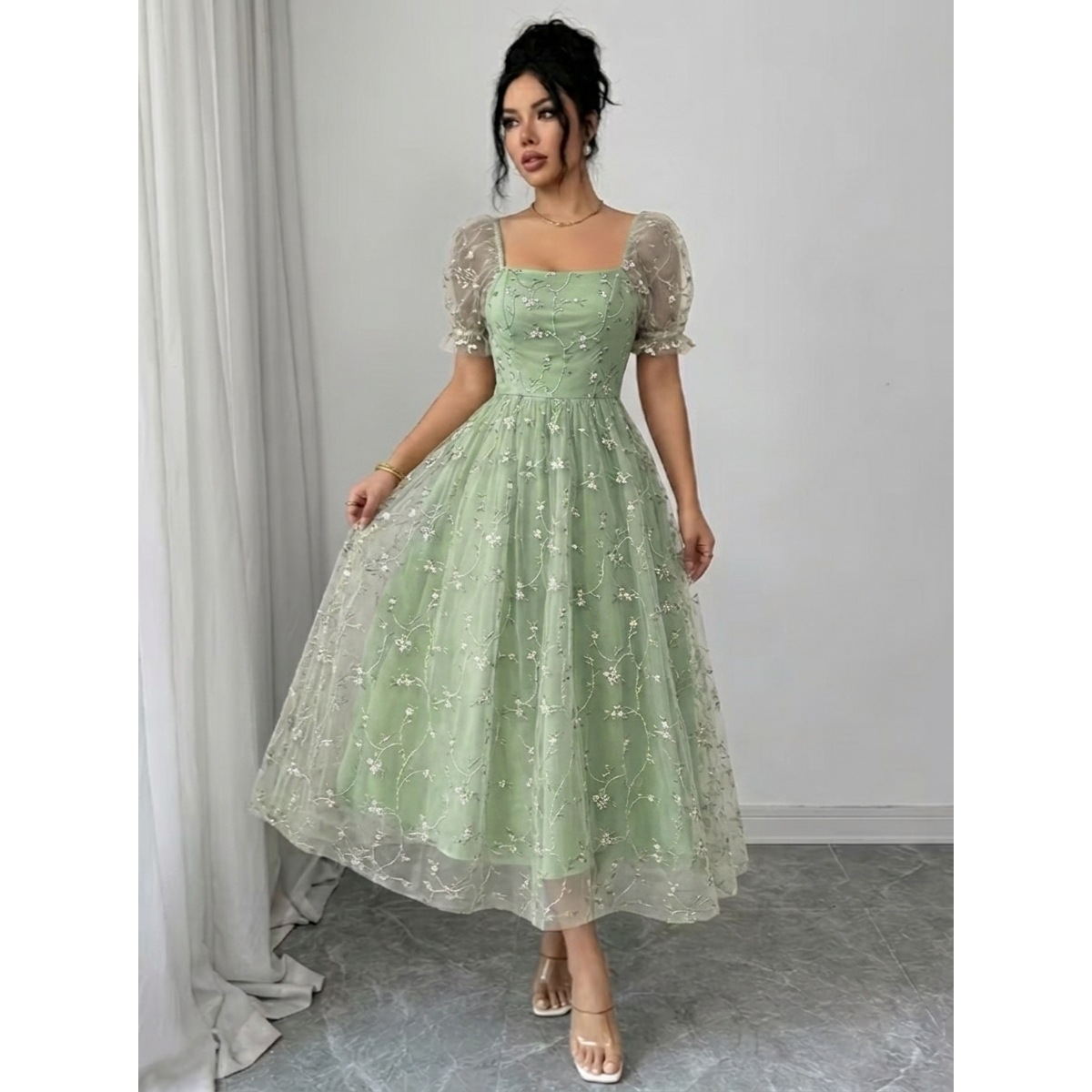
Structured bodice seaming and a defined midi waist allow foundation garments to sit invisibly through a full day of wedding celebrations.
- Bodice Stability and Gaping Cups: If your dress features an open or strapless neckline, verify that the interior seam is backed with silicone grip tape along the upper edge. If cups gape when leaning forward to hug the newlyweds, a tailor can take in the princess seams or insert lightweight sew-in demi-cups that mold gently to your ribcage.
- Torso Length Balance: If the horizontal waist seam sits two inches below your natural bend, the garment will buckle horizontally across the lower back. Having the shoulder straps shortened brings the entire bodice upward, securing the waist seam firmly against your narrowest point.
- Hemline Clearance: Even for formal black-tie weddings, a guest gown must never touch the ground. Your hem should clear the floor by exactly one-half to three-quarters of an inch while wearing your event shoes. Ground-sweeping hems belong solely to bridal trains and red-carpet galas. When your hem floats cleanly above the floor, you walk freely across lawns, staircases, and dance floors without stepping on fabric.
Footwear, Millinery, and Jewelry Restraint
Accessories are the deciding factor between an outfit that looks gracefully assembled and one that feels overdone. Even a magnificent dress can be tipped into theatrical excess by an overabundance of competing accessories.
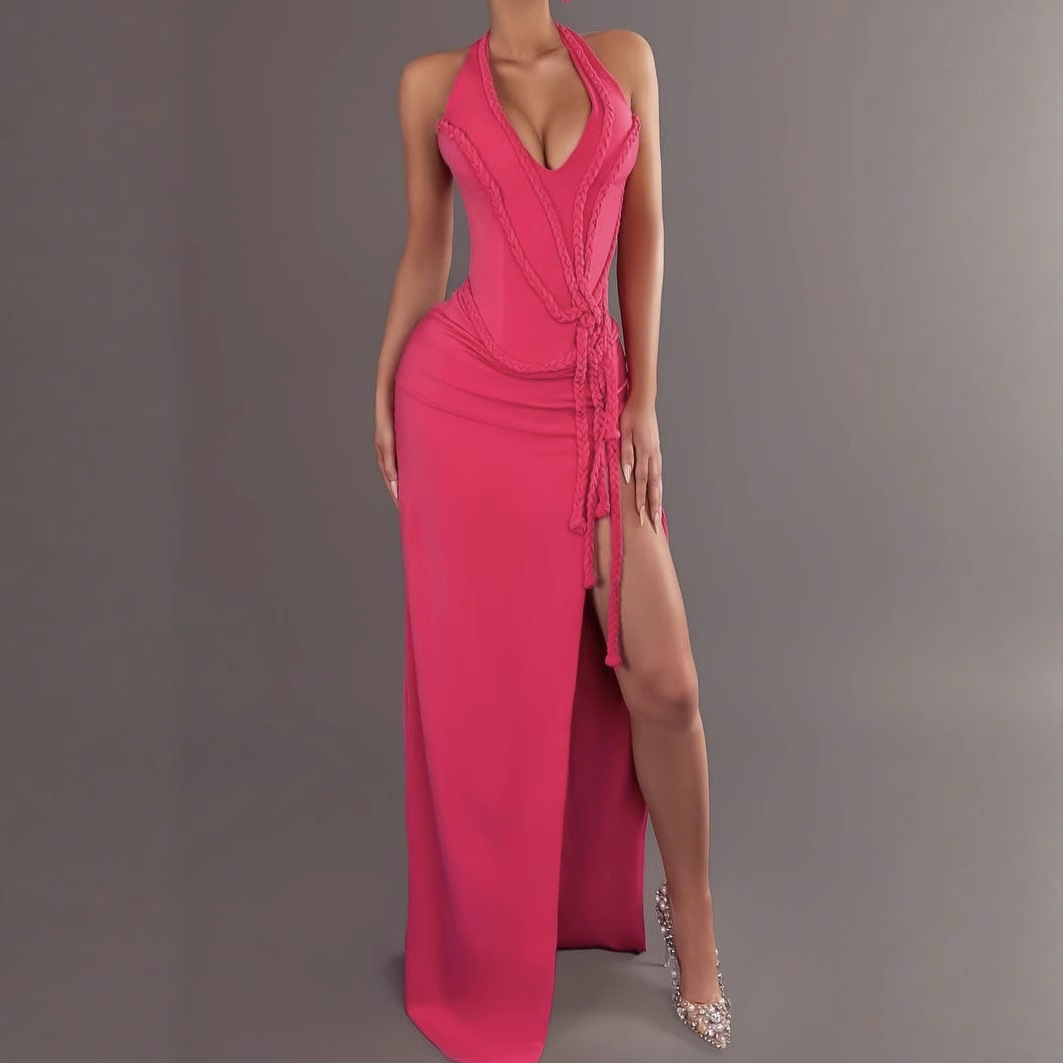
Rich lace texture, seen here in The Odette Lace Dress, shines brightest when accessorized with minimal jewelry and clean shoes.
When styling intricate lace or patterned dresses like The Roxane Party Hollow Out Backless Long Bandage Dress, your footwear and jewelry must adopt a supporting role. Pair richly textured textiles with single-sole strappy sandals or minimalist pointed pumps in nude, espresso, or metallic bronze. Avoid heavy platform wedges or crystal-encrusted stiletto heels that draw the eye immediately downward.
As preserved in the historic dress collections at the Victoria and Albert Museum, the golden era of European high society dressing adhered to a strict rule of single focal adornment. If your earrings feature luminous baroque pearls or drop gemstones, leave your neck unadorned. If your gown boasts an architectural high collar, anchor your look with a sculpted cuff bracelet and delicate cocktail ring. Allowing negative space around your collarbone and shoulders gives the eye room to appreciate your natural poise.
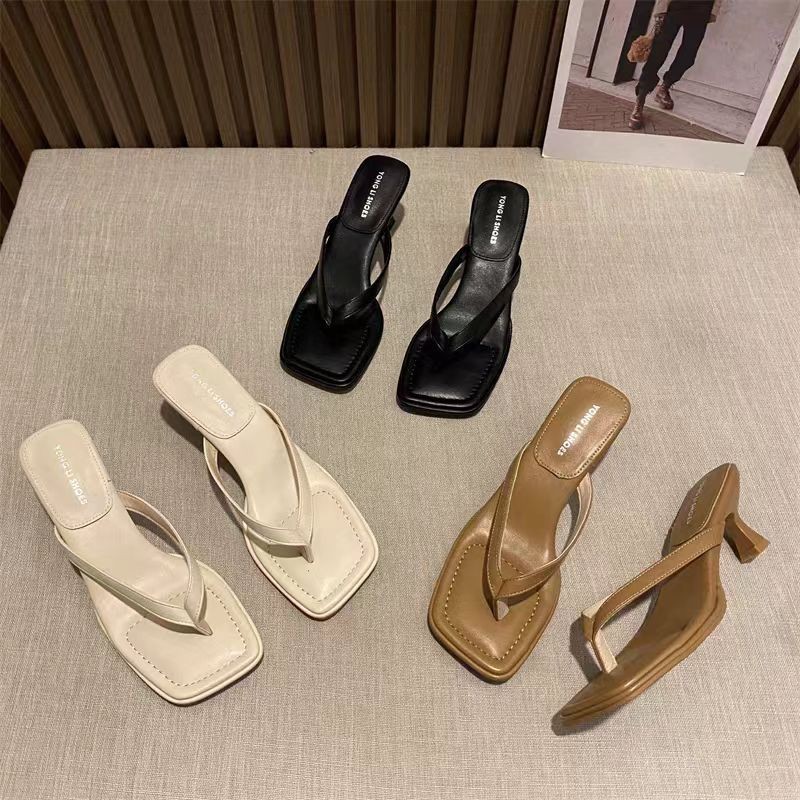
For outdoor venues, practical footwear selection is paramount. Needle-thin heels inevitably sink into wet lawns or wedge between rustic stone cobbles. Select a block heel with a sculptural taper, or discreetly slip heel protectors over stiletto tips before arriving at churchyards or vineyard estates. Graceful mobility is the ultimate foundation of style.
The Styling Takeaway
Choosing a wedding guest dress without looking overdressed is ultimately an act of generous sartorial courtesy. It honors the monumental celebration through impeccable tailoring and thoughtful curation, while purposefully ceding the grandest visual fanfare to the couple embarking on their vows.
By centering your wardrobe decisions on clean silhouette architecture, breathable matte fabrics, balanced proportions, and curated jewelry, you will always look remarkably chic. True refinement never demands the center of the room. It resides in the woman who moves through the reception with quiet confidence, flawless comfort, and unforgettable poise.