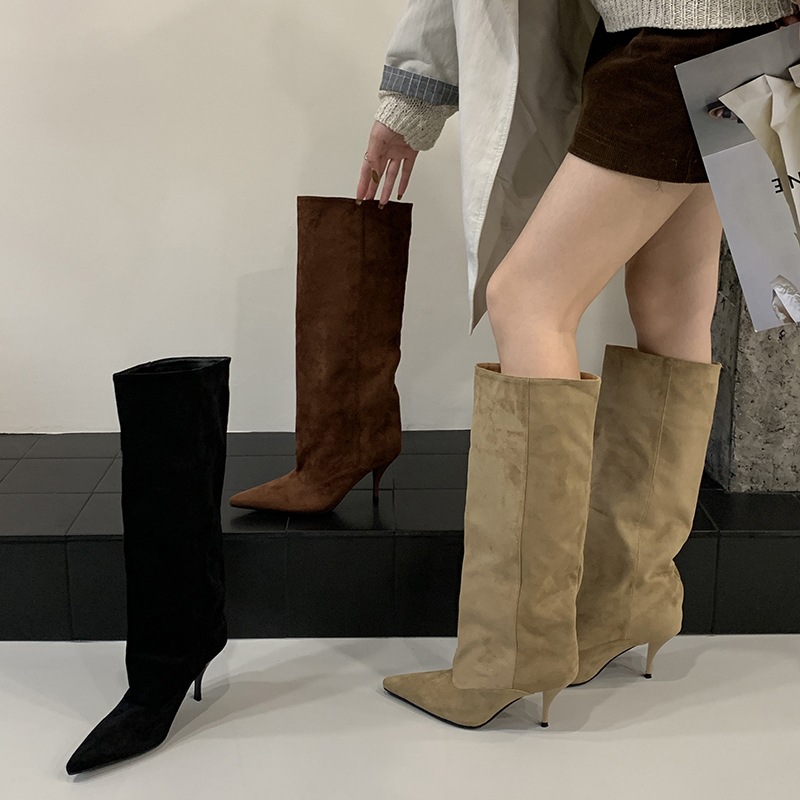
Few garments demand as much from a pair of shoes as the maxi dress. It is a floor-length statement that absorbs visual weight from the hem downward, so the footwear beneath it is never truly invisible, even when it is hidden for most of the day. Knowing what shoes to wear with a maxi dress is therefore less a question of trend and more a question of proportion, fabric behavior, and occasion. A bias-cut jersey column falls differently from a pleated chiffon skirt, and each asks for a different balance of height, weight, and finish. Historically, the floor-length dress was a marker of formality and leisure alike. Eighteenth-century court gowns and Edwardian walking skirts both relied on the hem to signal status, and the shoe was the small but decisive detail that completed the line. Costume historians often note that hems were designed to sweep, which means the shoe was rarely seen in motion except when a wearer stepped, lifted, or turned. Modern maxi dresses carry that same logic. When the hem moves, the shoe appears in fragments, so its silhouette, color, and toe shape matter a great deal.
Etiquette still plays a role. A full-length gown for an evening event traditionally pairs with a closed toe or a strappy heeled sandal with refined hardware, while a printed bohemian maxi suits flat leather, woven espadrilles, or a low block heel. Daytime occasions invite more informality, yet the rules of visual weight still apply. A heavy platform beneath a lightweight voile dress can feel disconnected, while a delicate kitten heel beneath a structured denim maxi can look underpowered. This guide approaches the question the way a tailor approaches a fitting: by examining silhouette, textile, construction, footwear, and real-world adjustment in turn. Each section offers principles that hold across seasons and price points, so that the choice of shoe becomes a deliberate decision rather than an afterthought.
1. Matching Heel Height to Silhouette and Proportion
Silhouette is the first variable to consider, because it determines where the eye lands. A column maxi with a close fit through the hip and a straight or slightly flared hem creates a long vertical line. Under that dress, a mid-height heel of roughly seven to nine centimeters extends the line without introducing a jarring break at the ankle. A stiletto works well here when the strap is slim and the toe is pointed, since the narrow profile echoes the column. A chunkier block heel, by contrast, can make the same silhouette look heavier at the base, which is sometimes desirable and sometimes not.
A-line and fit-and-flare maxi dresses behave differently. The hem widens, so the shoe is more exposed when the wearer walks. Here a low block heel, a wedge, or a flat with some architectural presence tends to balance the volume above. The wedge deserves particular attention because its continuous sole creates a sense of grounding that suits gathered waists and tiered skirts. Anyone who has watched a bridal party move through an outdoor lawn knows how quickly a stiletto sinks into turf, so practicality and proportion often align on this point.
Empire-waist and bohemian silhouettes with loose, airy bodices call for footwear that does not compete with the print. Flat sandals, leather slides, or woven flats with thin straps keep the line open. Heel height matters less here than the visual temperature of the shoe. A metallic or high-shine finish can read as too formal against a soft floral, while matte tan, natural raffia, or a warm cognac leather usually harmonizes.
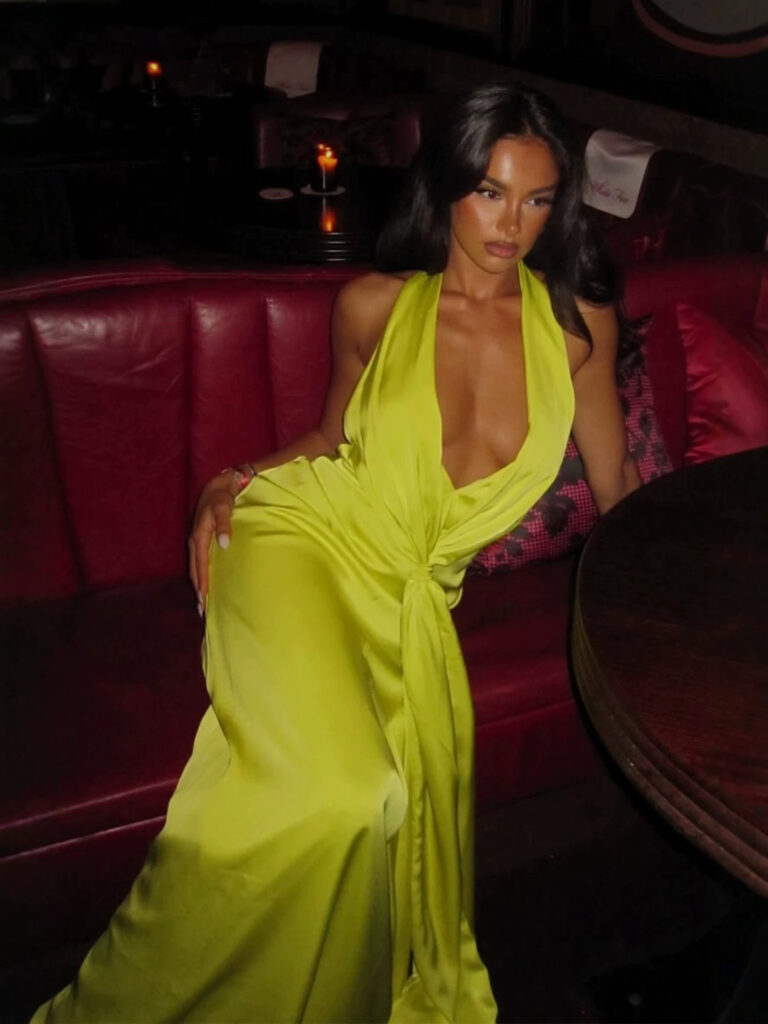
For a fitted, bias-cut evening look, the Nadege Elegant Tassel Maxi Evening Dress [https://larosecouture.shop/product/elegant-tassel-maxi-evening-dress/] benefits from a sculpted heeled sandal with a slender strap, since the tassel detailing already introduces movement and texture. The Seraphine V Neck Printed Fringe Bell Sleeve Loose Maxi Dress [https://larosecouture.shop/product/women-v-neck-printed-fringe-bell-sleeve-loose-maxi-dress/] pairs better with a low, unfussy sandal that lets the fringe and flared sleeve carry the outfit.
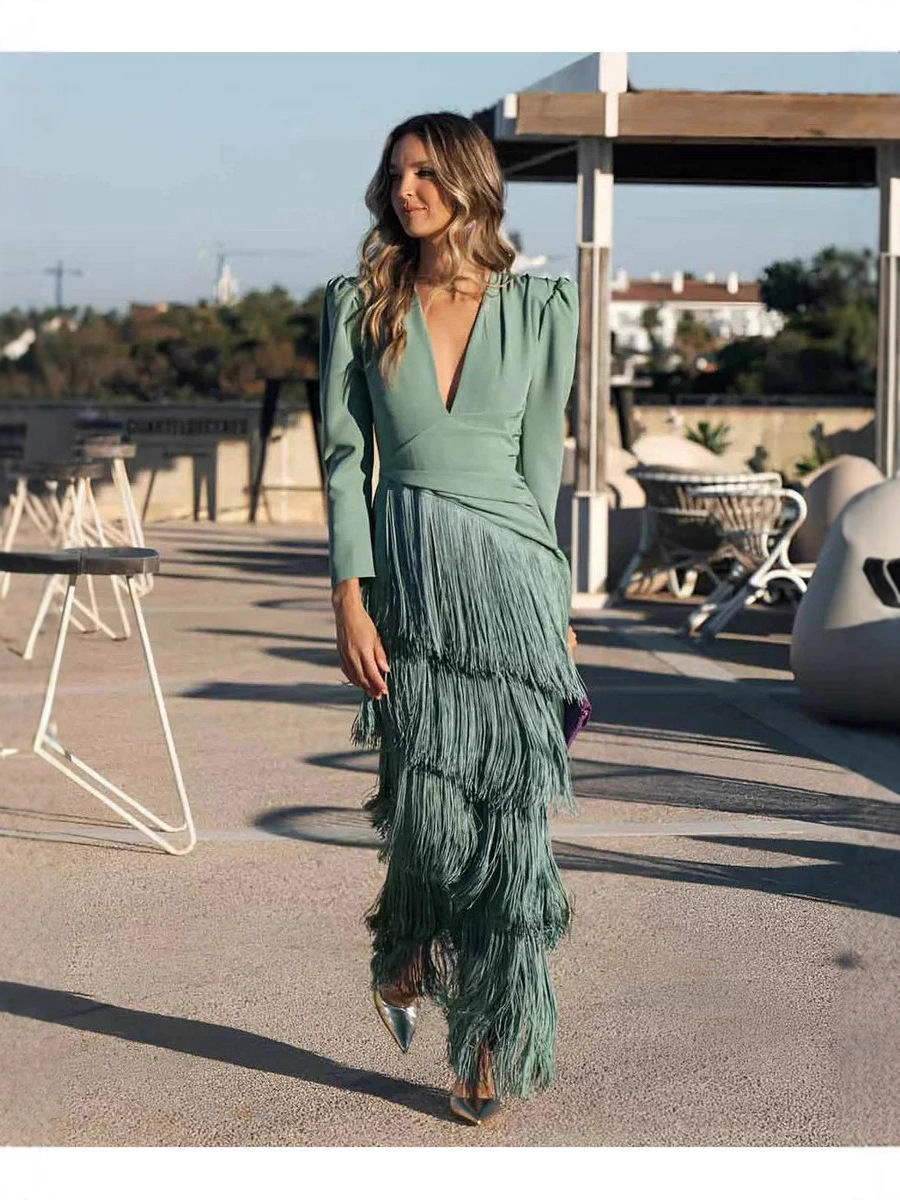
The Nadege tassel maxi, where a slim-strapped heel keeps the line vertical and lets the fringe lead.
2. Textile Weight, Weave, and Drape as Footwear Guides
Fabric is the second and often underrated factor. Weight, measured in grams per square meter (GSM), determines how a dress hangs and how much of the shoe it will reveal. A lightweight chiffon or voile, typically between 40 and 80 GSM, floats around the ankle and can hide nearly everything except the toe on a standing wearer. A mid-weight crepe or viscose jersey, often in the 150 to 220 GSM range, drapes closer and breaks more cleanly over the foot. A heavier cotton twill or denim maxi, above 300 GSM, holds its shape and tends to stand away from the body, so footwear with more structure reads as intentional.
Weave influences sheen and therefore how footwear should be finished. A satin-faced or charmeuse maxi reflects light, and a high-gloss patent shoe can create a unified, glossy line that looks deliberate. A matte crepe or slub cotton absorbs light, which tends to make a shiny shoe look like an interruption. Textured fabrics such as eyelet, broderie, or woven jacquard pair naturally with raffia, straw, and suede, since the surface textures speak the same language.
Drape also depends on grain. A bias-cut dress, where the fabric is cut at forty-five degrees to the warp and weft, stretches and clings, producing a fluid column that moves with the body. Bias garments favor shoes with slim, flexible soles that allow the hem to swing without catching. A straight-grain maxi holds more shape and can carry a sturdier heel or platform without appearing top-heavy.
The comparison below summarizes how common maxi fabrics and silhouettes pair with footwear.
| Fabric and Silhouette | Approximate Weight | Recommended Footwear | Best Occasion |
|---|---|---|---|
| Chiffon, fit-and-flare | 40 to 80 GSM | Strappy heeled sandal or pointed mule | Garden party, evening reception |
| Viscose jersey, bias column | 150 to 220 GSM | Slim stiletto or block heel with thin strap | Dinner, cocktail hour |
| Printed cotton lawn, empire bodice | 90 to 120 GSM | Leather flat sandal or woven espadrille | Brunch, weekend travel |
| Denim or heavy twill, straight grain | 300+ GSM | Block heel, wedge, or ankle boot | Daytime, layered autumn looks |
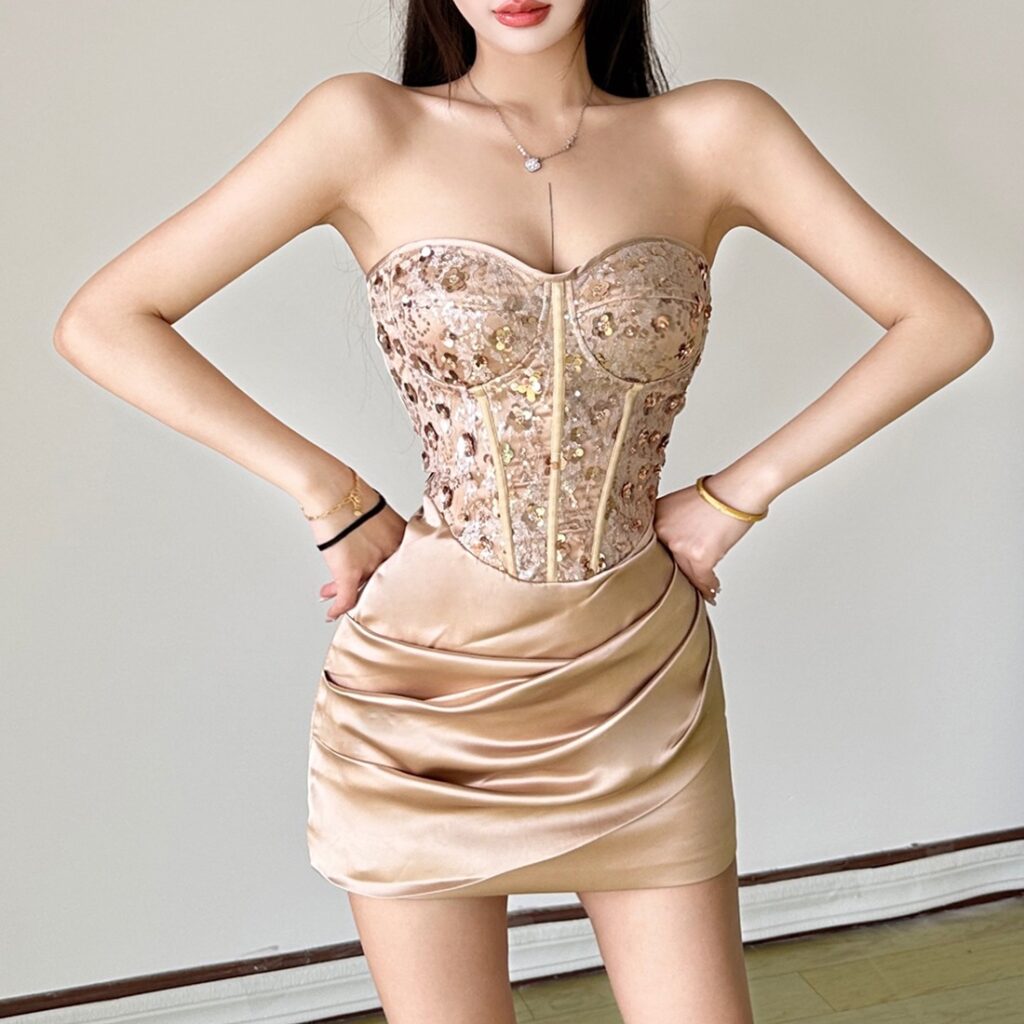
The Alix V Neck Printed Fringe Bell Sleeve Loose Maxi Dress [https://larosecouture.shop/product/women-v-neck-printed-fringe-bell-sleeve-loose-maxi-dress-2/] is a useful study in this regard: its airy weight and open drape reward a leather flat with a visible but understated strap.
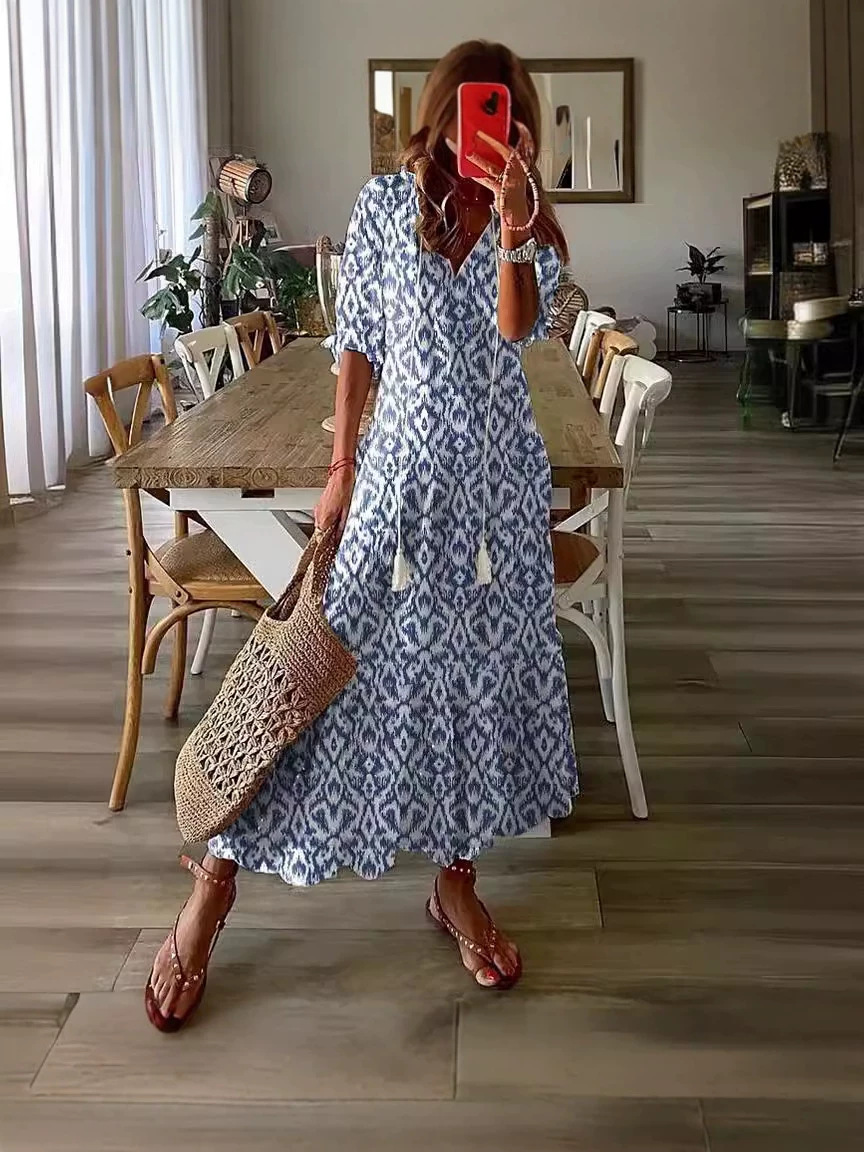
A lightweight printed maxi, where fluid drape allows a flat sandal to sit quietly beneath the hem.
3. Garment Construction, Hem Length, and Tailoring Details
Construction determines how a maxi dress meets the floor, and this in turn governs footwear. Hem length is the first consideration. A true floor-length hem, which sits about one centimeter above the ground when worn with the intended shoe, is the standard for formal gowns. Historically, dressmakers measured hems with the wearer in her heeled shoes, because the difference between a flat and a seven-centimeter heel can be several centimeters at the hem. When a dress is hemmed while barefoot or in flats, it will pool or rise awkwardly once heels are added. Bring your shoes to the hemming appointment, or at least know their exact heel height.
Internal structure also shapes the line. Many fitted maxi dresses incorporate boning in the bodice, typically spiral steel or plastic channels that run vertically from bust to waist. Boning keeps the bodice upright and prevents the neckline from collapsing, which in turn affects how the skirt falls from the waist. A grosgrain waist stay, a narrow ribbon sewn inside the waistband, prevents stretching at the seam and holds the dress at its intended position. If a dress feels like it is sliding downward as you walk, the waist stay may be missing or undersized, and the fix is often a small tailoring adjustment rather than a new garment.
Seam allowance is easy to overlook. Garments cut with generous seam allowances, usually between 1.5 and 2 centimeters, can be let out or taken in during fitting. Lightweight maxi dresses sometimes have narrow allowances of around one centimeter, which limits adjustment and should be considered before purchase if fit is uncertain. Likewise, a long skirt with side slits or a back vent functions differently from a sealed hem: slits create movement and reveal the shoe in stages, while a sealed hem conceals it almost entirely.
Silicone grip tape, applied at the interior of the waistband or along the bust line, is a modern refinement that keeps a dress in place without visible hardware. Pairing a grip-tape-equipped dress with shoes that have a stable heel reduces the need to adjust the hem during a long evening.
The Clothilde Floral Print Bohemian Maxi Dress [https://larosecouture.shop/product/womens-floral-print-bohemian-maxi-dress-5/] shows how a relaxed construction with minimal structure benefits from a flat or low-heeled sandal, since the hem is designed to move freely. For museum-level reading on historical hem and construction practice, the Victoria and Albert Museum’s fashion collections [https://www.vam.ac.uk/collections/fashion] offer extensive primary examples.
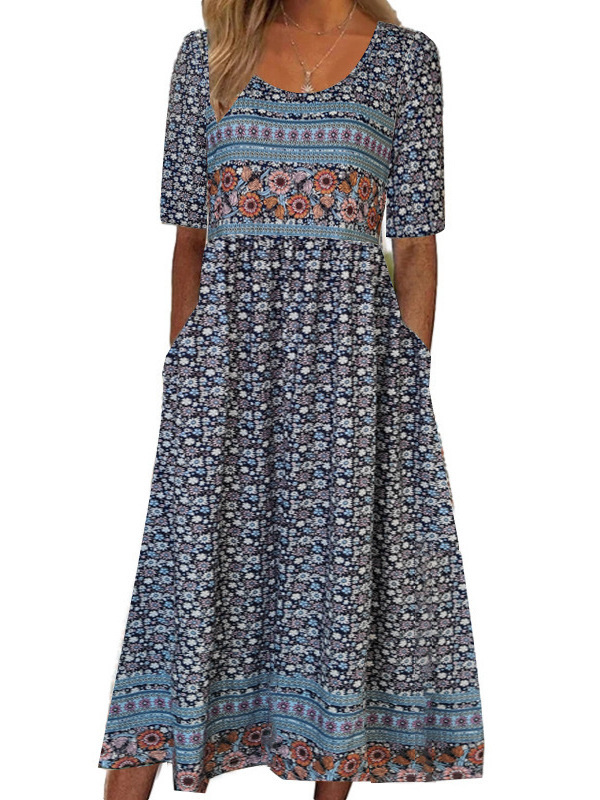
A relaxed bohemian construction, where hem length must be set with the intended shoe in place.
4. Footwear, Outerwear, and Finishing Accessories
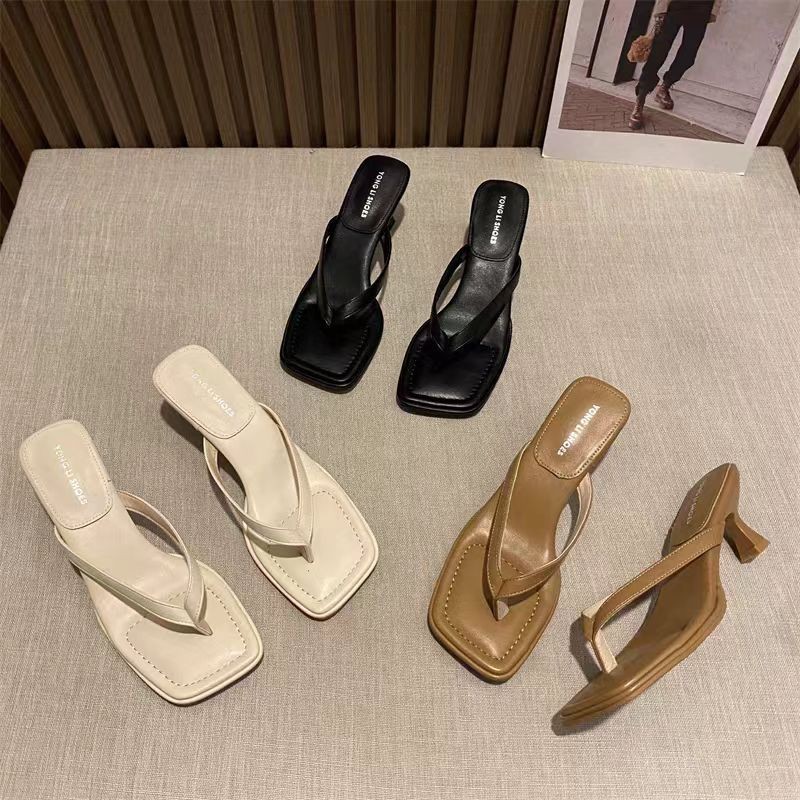
Once the silhouette, fabric, and construction are settled, footwear becomes a matter of finish and function. Leather is the most versatile material. Smooth calfskin in black, tan, or oxblood suits almost every maxi, while suede adds softness that complements jersey and crepe. Patent leather introduces reflection and is best reserved for evening silhouettes with structured bodices. Raffia, straw, and woven leather carry an informal, resort-leaning character that works well with printed cottons and linen.
Heel construction matters for comfort and for the line. A stiletto with a slim, arched heel gives the most elongation but demands a secure fit at the heel cup, since a loose heel will slip and disrupt the hem. A block heel distributes weight and is practical for longer events. A wedge provides even support across the sole and suits fluid, flowing dresses on uneven terrain. Kitten heels, typically around four centimeters, offer a softer, more youthful proportion that suits lighter fabrics and daytime wear.
Outerwear should be considered alongside footwear, because a jacket or wrap changes the visual weight of the full look. A tailored blazer in wool or crepe sharpens a bohemian maxi and allows a heeled sandal to read as polished. A denim jacket or cropped cardigan softens a column dress and invites flats or ankle boots. A structured trench in cotton gabardine, roughly 250 GSM, adds architecture to a lightweight maxi and anchors it for transitional weather. Ankle boots work well with midi-length and longer maxis when the hem is intentionally shortened or when the weather demands them, though the boot shaft should remain below the hem line to avoid visual crowding.
Accessories complete the picture. A slim leather belt cinches an empire or column silhouette and draws the eye upward, lessening the emphasis on the shoe. A structured bag in a complementary tone, rather than an exact match, prevents the look from feeling overly coordinated. Metallic jewelry should be chosen with the shoe hardware in mind; if the sandal has gold buckles, gold earrings create continuity, while silver introduces a cooler counterpoint.
The Romane Floral Print Bohemian Maxi Dress [https://larosecouture.shop/product/womens-floral-print-bohemian-maxi-dress-3/] pairs especially well with a tan leather flat and a lightweight cardigan in the same tone, producing a cohesive day look.
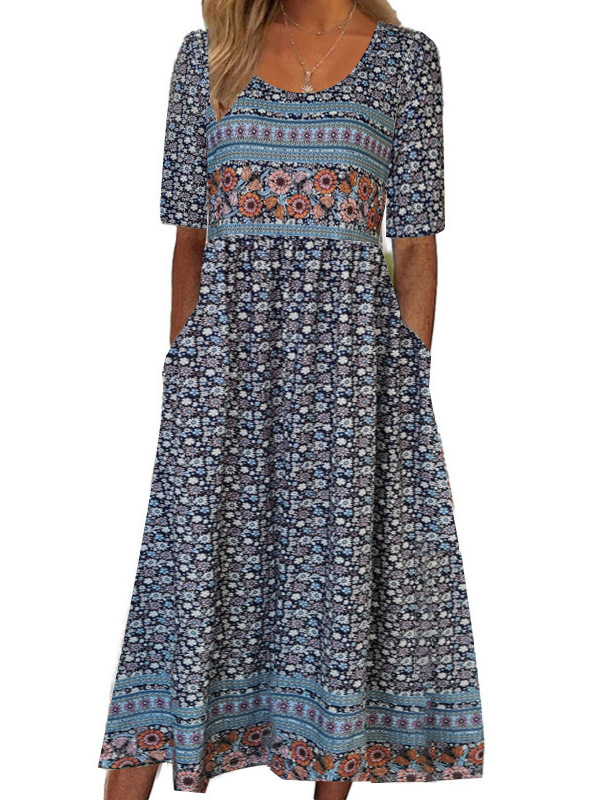
A floral bohemian maxi, where tan leather and a light layer keep the look cohesive.
5. Fit Troubleshooting and Real-World Adjustments
Even a well-chosen pair of shoes can fail if the fit is wrong, and the most common problems with maxi dresses are hem height, slipping, and drag. If the hem brushes the floor when worn with heels, the dress may be too long for your chosen shoe, and the solution is a hem adjustment with the heels on. If the hem rises above the ankle in flats, the garment was likely hemmed for heels and will need to be let down. Many tailors work from a hem allowance of two to four centimeters for this reason, so ask whether this has been built in before any alteration.
Waist position is another frequent issue. A maxi that sits too low can make a heeled shoe look top-heavy, because the visual break at the waist shifts downward and crowds the leg. Adjusting the waistband or adding a waist stay restores the intended proportion. Conversely, a waist that sits too high may shorten the apparent leg and make a block heel seem bulky.
Shoe fit matters as much as dress fit. A heel that is one size too large will slip and cause the wearer to shorten her stride, which changes how the dress moves. Insoles, heel grips, or a half-size adjustment can help, though a shoe that fits well from the start is always preferable. When walking, observe whether the hem catches on the heel or on the sole; if it catches, consider a slimmer heel or a slightly higher hem, since the goal is free movement.
For travel and outdoor events, prioritize stability. Grass, cobblestone, and sand reward wedges, block heels, and flats with a firm sole. A stiletto may look right in the mirror but can become impractical within an hour. Carry a second pair of flats for dancing or long walks, and keep a small roll of clear tape or a spare grip for the strap if you anticipate heavy use.
Finally, test the complete outfit in motion. Sit, climb stairs, and walk the length of a room. A maxi dress and its shoes should function together, not only in a standing photograph. If the hem catches, the waist shifts, or the shoe pinches, the combination needs another adjustment before the occasion arrives.
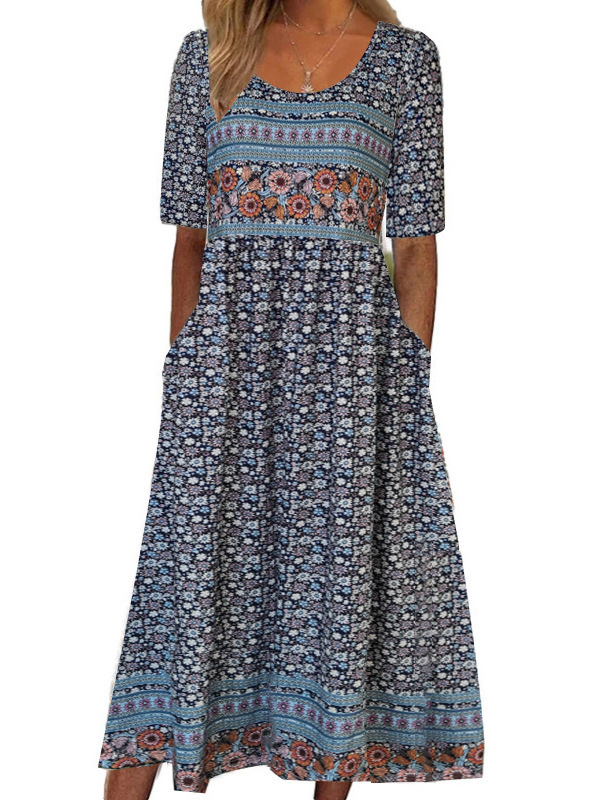
Testing a maxi in motion reveals hem clearance and waist stability that a static mirror view cannot.
The Styling Takeaway
The right shoe for a maxi dress is the one that respects the garment’s silhouette, fabric weight, and construction while suiting the occasion. A column in viscose jersey invites a slim heel that continues the vertical line, while a light chiffon or printed cotton lawn is better served by a flat or low-heeled sandal that lets the fabric lead. Heavier denim and twill can carry block heels and boots, and outerwear, belts, and bags adjust the balance further. Before committing to a pair, consider the hem, the waist, and the way the dress moves, because these details determine whether the shoe reads as a deliberate finish or an afterthought. Bring your intended shoes to any hemming appointment, check the waist stay and seam allowances, and test the full look in motion.
Ultimately, the question of what shoes to wear with a maxi dress rewards attention rather than rules. Dressing well in a floor-length garment means trusting proportion, respecting texture, and accepting that the hem will move, reveal, and conceal the shoe in ways a static photograph cannot capture. Choose footwear that you can walk in comfortably for the full length of an event, and let the dress set the tone. When silhouette, fabric, and shoe agree, the result is a look that feels considered, unhurried, and entirely your own.