Few experiences in the modern closet are as quietly frustrating as standing before a rail of garments, each one purchased with genuine intention, and concluding that none of them will work. The problem is rarely a shortage of clothing. More often, it is a mismatch between the proportions of a garment and the body it is meant to frame, a failure of textile to behave the way the designer intended, or a fit that was almost right in the fitting room and has since revealed its flaws under the ordinary demands of a working day. Full wardrobe nothing to wear styling is, at its core, a discipline of diagnosis. Before reaching for another purchase, the sensible editor asks what, specifically, is failing. Is the hem landing at an awkward point on the leg? Does the fabric cling where it should skim? Does the neckline fight with the shoulder line? Each of these questions has a structural answer, and each answer points toward a remedy that is usually more precise than a new season’s trend.
Etiquette belongs to this conversation as well, though it is often misunderstood. Dress codes, whether formal invitations, office standards, or the unwritten expectations of a particular social setting, are not arbitrary constraints designed to diminish personal expression. They are shared visual languages. Understanding them allows a wearer to choose deliberately rather than defensively. A cocktail reception, a daytime luncheon, and a relaxed weekend brunch each signal different things about length, formality, and the appropriate level of exposed skin or structured tailoring. When a wardrobe feels unworkable, it is frequently because the garments were chosen in isolation, without reference to the occasions they must serve. Reframing each piece around a specific context transforms a closet from a collection of possibilities into a system of solutions.
This guide approaches the problem from the garment outward. It considers silhouette and proportion first, because the relationship between shape and frame determines almost everything else. It then examines textile weight, weave, and drape, the properties that govern how a piece moves and reads in light. Construction and tailoring follow, since the invisible architecture of a garment is where most lasting quality resides. Footwear, outerwear, and accessories complete the picture by bridging individual pieces into coherent outfits. Finally, fit troubleshooting addresses the practical adjustments that can rescue a garment that is almost right. Working through these layers in sequence tends to reveal why a wardrobe feels unresolved, and it offers a route toward wearing what is already hanging there with renewed confidence.
1. Reading Silhouette and Proportion Before Anything Else
Silhouette is the outline a garment creates when it is worn, and it is the first thing the eye registers. A dress that appears elegant on a hanger can behave quite differently once it is on a body, because the distribution of volume, the placement of the waist, and the length of the hem all interact with the wearer’s own proportions. The most reliable starting point is to identify where a garment’s visual weight sits. A high waistline with a fitted bodice and a full skirt creates a defined upper half and a flowing lower half, which many wearers find flattering because it establishes a clear point of anchor. A dropped waist or an unstructured sheath distributes the same visual weight more evenly, and this can either elongate or compress the figure depending on the scale of the print and the rhythm of the seams.
Proportion is the relationship between these measurements and the wearer’s own frame, and it is usually where a supposedly wearable dress goes wrong. Consider the Therese Corduroy Shirt Dress, which relies on a structured collar, a button-front placket, and a defined waist to create an orderly vertical line. Its effectiveness depends on whether the shoulder seam sits at the natural shoulder point and whether the hem falls at a flattering interval from the knee. When the shoulder seam drops past the arm, the entire upper body reads as heavier, and the belt, if present, loses its function as a waist indicator. Adjusting proportion, in this case, may mean choosing a size that aligns shoulders precisely and then belting at the natural waist rather than the hip.
The Therese Corduroy Shirt Dress illustrates a broader principle: a garment with a strong structural line tolerates less error than one with a fluid silhouette. Structure reveals misalignment. A relaxed knit can absorb a shoulder that sits slightly low, while a tailored shirt dress makes that same displacement obvious across the entire torso.

A structured shirt silhouette depends on shoulder alignment and a waist set at the natural point of the body.
Length deserves equal attention. Hemlines are not simply a matter of fashion cycles; they interact with the leg’s visible length and the shoe that will complete the look. A midi length that stops at the narrowest part of the calf can shorten the leg, whereas the same length stopping at the widest point of the calf often reads as balanced. Testing the silhouette with the intended shoe, rather than with flat slippers in the fitting room, is one of the most reliable ways to predict whether a garment will work in daily life.
2. Textile Weight, Weave, and Drape
Textile is where many wardrobe failures begin, because fabric determines how a garment moves, how it catches light, and how it responds to the body. Two dresses of identical cut can look entirely different depending on their weight, measured in grams per square meter (GSM), and on their weave. A lightweight crepe of roughly 90 to 120 GSM will fall in soft, liquid folds, while a jacquard of 200 GSM or more holds its own shape and resists gravity. Neither is superior in the abstract. The question is whether the textile suits the occasion and the cut. A heavy fabric in a bias-cut slip will hang badly, because the weight pulls against the diagonal grain and creates heaviness at the hip. The same fabric in a straight-grain column can be sculptural and deliberate.
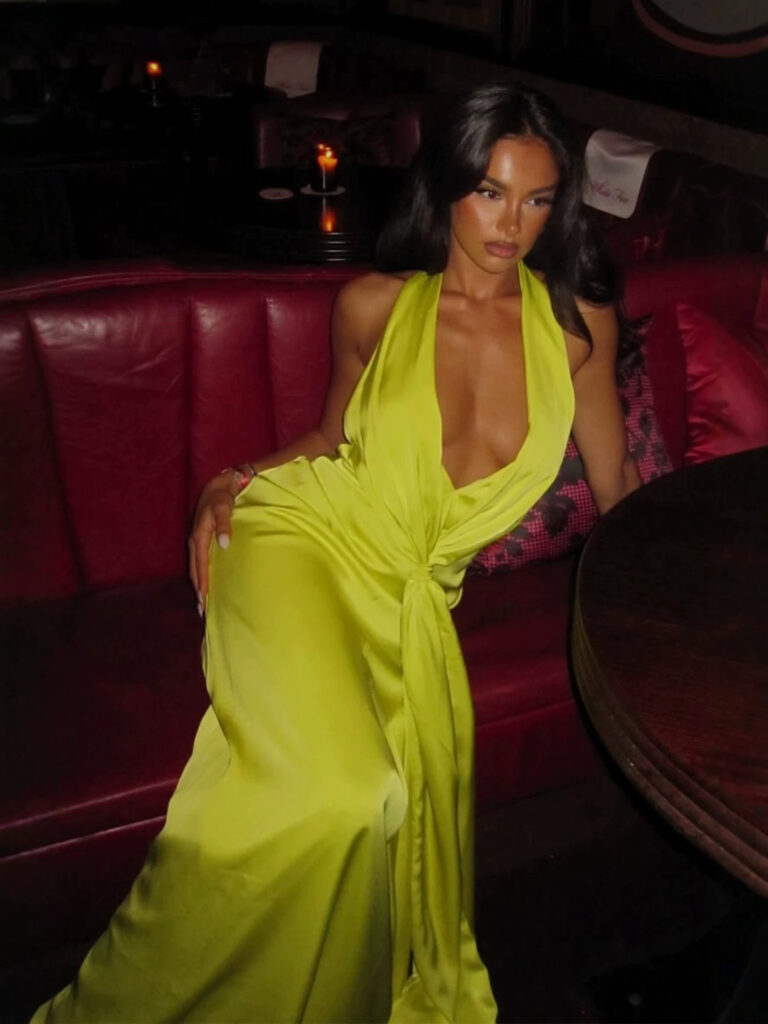
Grain direction governs much of this behavior. Fabric woven along the straight grain has minimal stretch and holds a vertical line, which is why straight-grain construction suits tailored bodices and structured hems. Bias-cut fabric, cut at forty-five degrees to the grain, stretches and drapes dramatically, conforming to curves and creating a fluid, clinging effect. The Ariane Square Neck Jacquard Long Dress relies on a textured, patterned weave whose surface interest is best appreciated in a relatively structured cut. The jacquard pattern is woven into the cloth rather than printed onto it, which gives it dimension and a subtle sheen that flattens under very bright light and gains depth in soft evening illumination.
The Ariane Square Neck Jacquard Long Dress benefits from a sensible approach to layering. Because the textile carries visual complexity, pairing it with a minimal shoe and restrained jewelry allows the weave to remain the focal point rather than competing with additional detail.
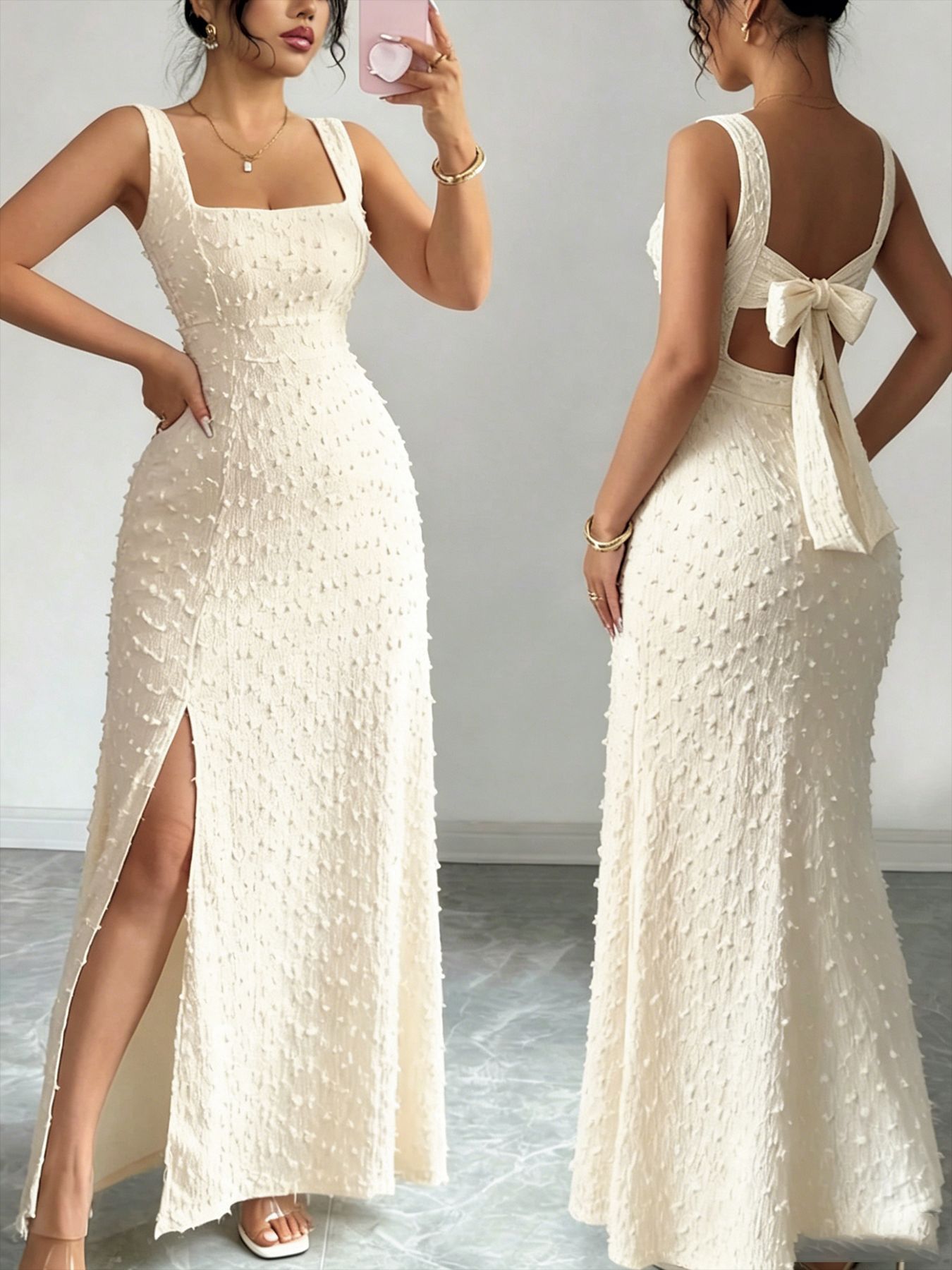
Jacquard depends on the woven pattern for its dimension; a restrained cut allows the textile to read clearly.
The following comparison clarifies how textile choices align with silhouette and occasion:
| Fabric | Typical Weight | Drape Behavior | Best Silhouette | Suited Occasion |
|---|---|---|---|---|
| Corduroy | Medium to heavy | Structured, holds shape | Shirt dress, A-line | Daytime, autumn gatherings |
| Jacquard | Medium to heavy | Structured with sheen | Square neck, column | Evening, formal dinners |
| Sequined or metallic knit | Medium with stretch | Conforms to body | Bodycon, midi | Cocktail, party events |
| Lace | Light to medium | Soft, follows lining | Slim fit, slit | Evening, weddings |
3. Garment Construction and the Logic of Tailoring
Construction is the invisible architecture that determines whether a garment will hold its shape across a season of wear. The principal elements are seam allowances, interfacing, internal boning, and waist stays, each of which contributes to durability and fit. Seam allowances, typically between 1.5 and 2 centimeters in quality tailoring, give room for alteration and prevent fraying. Interfacing, a fused or sewn layer behind collars, cuffs, and bodice fronts, adds stability without visible bulk. Where a garment is meant to stand away from the body or resist distortion, internal boning or structured cups provide the necessary rigidity. Boning in a strapless bodice, for example, prevents the top from sliding down and creates the smooth, unbroken line that distinguishes a well-made piece from one that merely appears fitted.
Waist construction deserves particular scrutiny. A grosgrain waist stay, a narrow ribbon stitched inside the waistband, bears the weight of a skirt and prevents stretching over time. Without one, a heavy skirt can gradually drop, pulling the bodice downward and disrupting the proportion established at the fitting. Silicone grip tape, applied to the interior of a strapless or off-shoulder bodice, prevents slippage without relying solely on tight sizing, which can cause discomfort and wrinkling. Checking for these details is worthwhile before purchase: run a hand along the inside of the waistband, look for stitching that anchors the seam allowances, and observe whether the lining is secured to the outer shell at critical points.
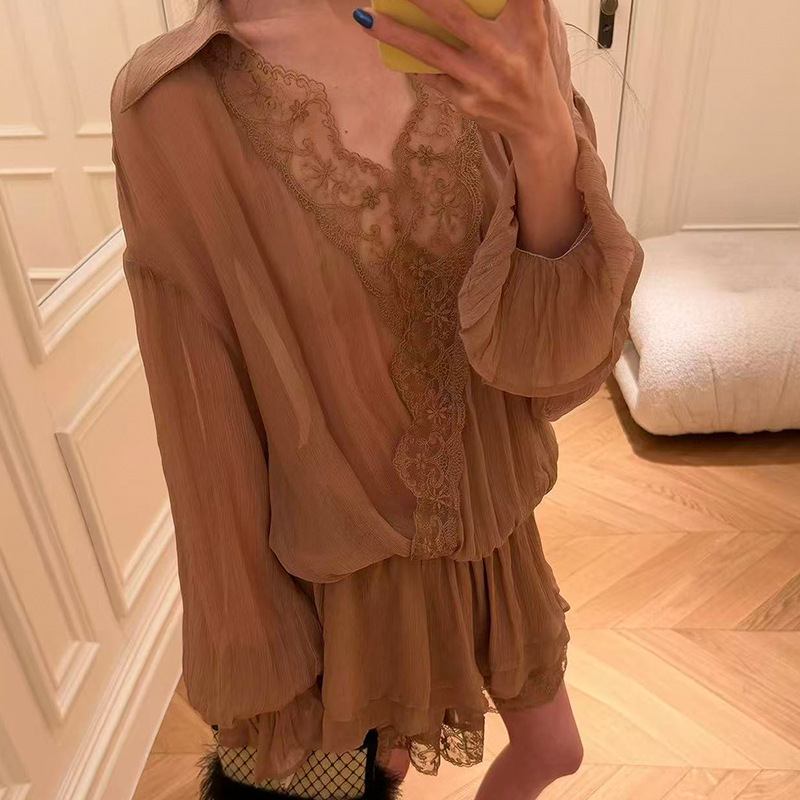
The Estelle Off Shoulder Lace Slim Fit Slit Long Dress offers a useful study in these principles. Lace is a fragile textile on its own, and its success depends heavily on a supporting lining and carefully finished edges. The slit, which must align cleanly to move freely, depends on accurate placement during cutting. When evaluating such a piece, it is sensible to inspect the lining’s color and weight, since a mismatched or thin lining can show through the lace and undermine the intended effect. For authoritative background on historical construction methods, the Victoria and Albert Museum fashion collection provides extensive documentation of how tailoring and structural techniques have evolved across centuries of dressmaking.
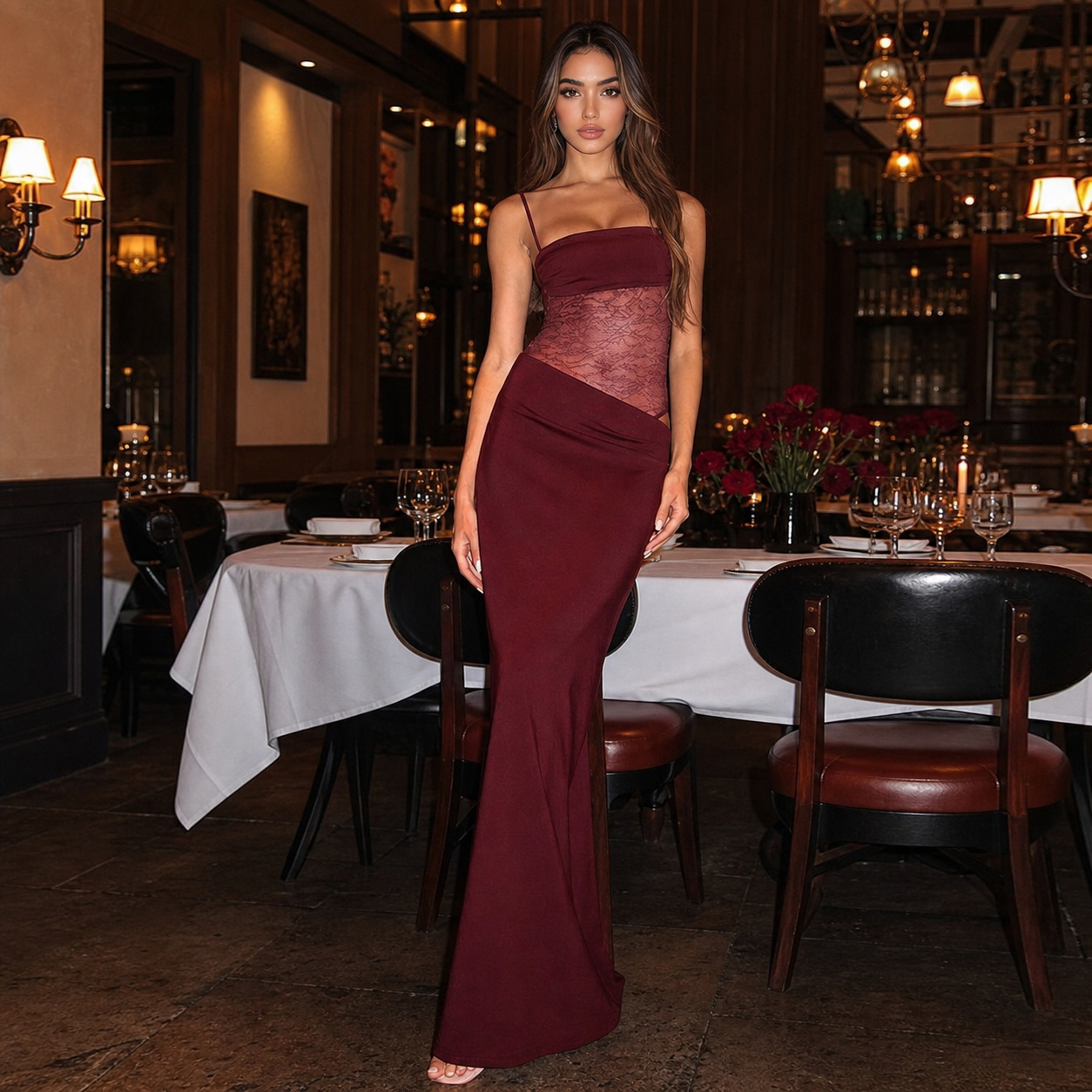
Lace relies on a supporting lining and clean-finished edges; inspect both before committing to a fitted silhouette.
Understanding construction changes how a wardrobe is maintained. A garment with interfacing and a grosgrain waist stay can be pressed and dry cleaned without losing its form, while a piece without these supports may require more careful handling and more frequent adjustment.
4. Footwear, Outerwear, and Accessories as Connective Tissue
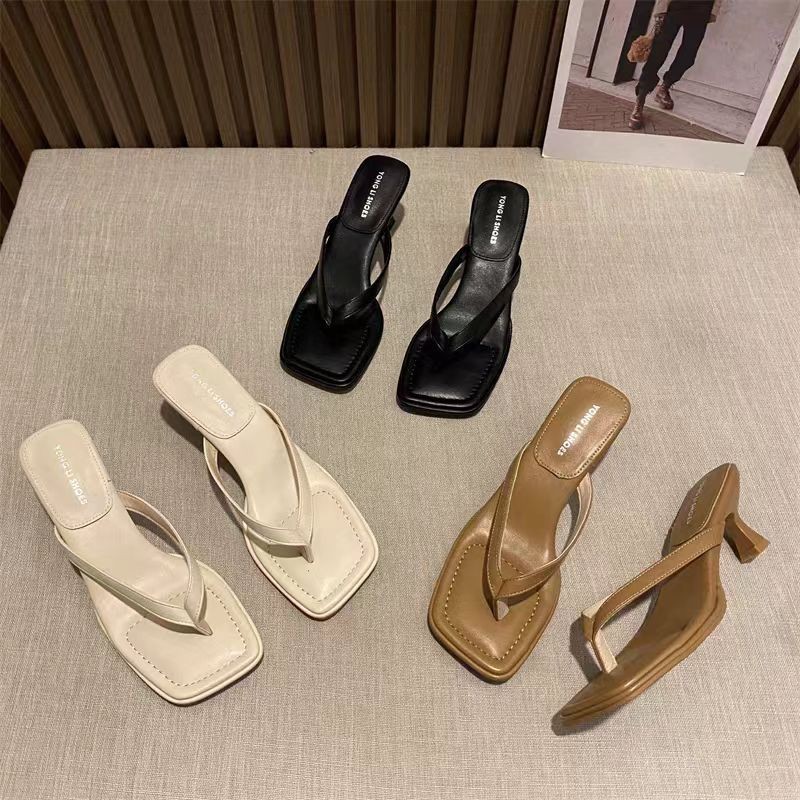
Individual garments rarely fail on their own; they fail in the transitions between pieces. Footwear, outerwear, and accessories function as connective tissue, linking a dress or separates into a coherent outfit and determining how the overall silhouette resolves. A dress with a defined waist and full skirt may require a flat, pointed shoe to maintain a long line, whereas a sleek column benefits from a heel that extends the leg. The heel height also alters hem perception: a midi length that appears correct with a block heel may fall awkwardly when worn with a stiletto, because the change in ankle position shifts where the eye reads the hem’s termination.
Knitwear presents a different set of considerations. The Coralie Polo Collar Knit Dress carries a relaxed, textural quality that pairs naturally with leather boots, ankle boots, or low loafers, which echo its ribbed structure and casual sophistication. A knit dress is also forgiving of layering, so an unstructured camel coat or a fitted leather jacket can extend its season. The collar, which stands at the neck, benefits from a necklace that sits beneath it rather than competing with it, or from a single fine chain that peeks through an open placket.
The Coralie Polo Collar Knit Dress suits a deliberately edited accessory palette. Leather belts in a matte finish, structured handbags with clean hardware, and understated gold or silver jewelry reinforce its tailored intent without overwhelming its texture.
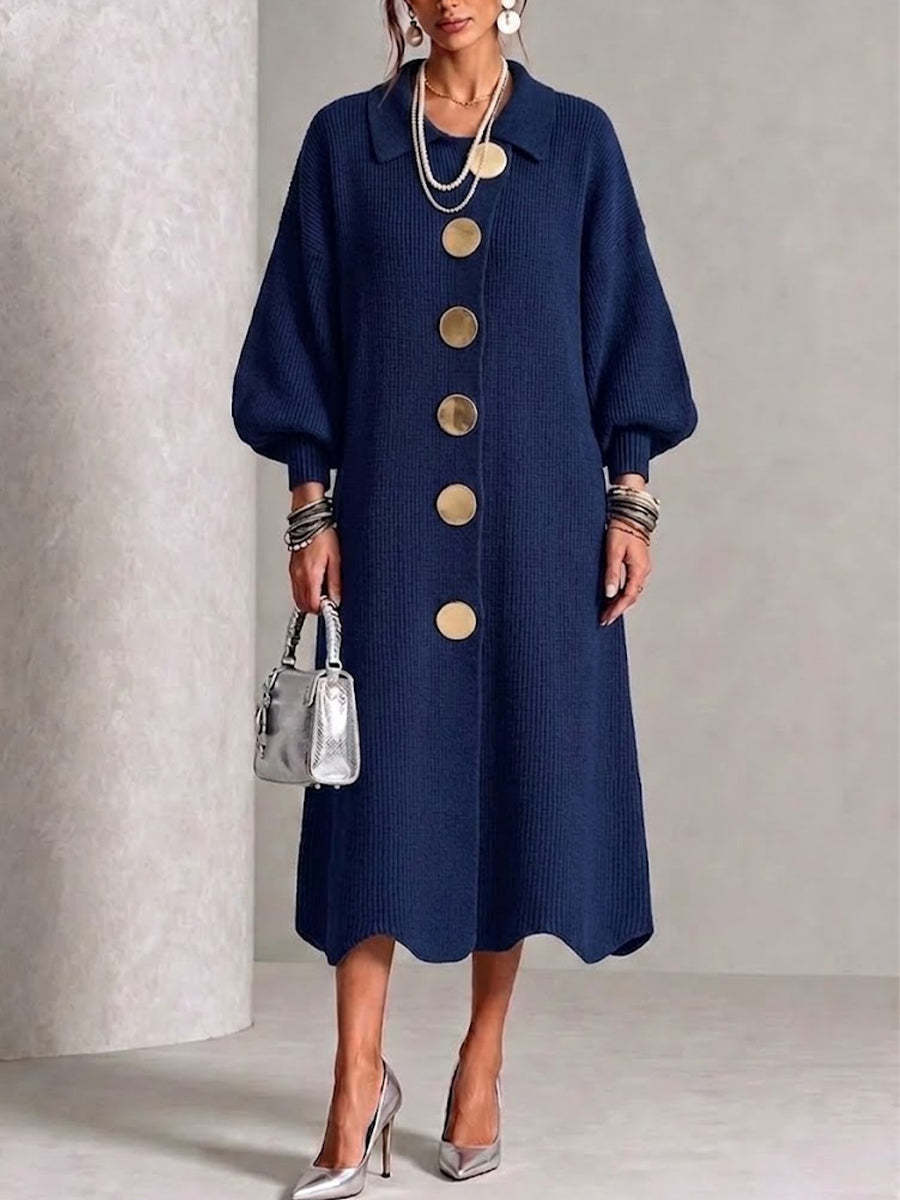
A knit with a polo collar pairs naturally with leather footwear and a structured coat for seasonal transitions.
Outerwear completes the outline. A coat should be measured against the garment beneath it, both in length and in shoulder width. A coat that ends at the same point as a dress hem creates a visual break at the knee, which can read as unintentional. Choosing a coat that ends either well above or clearly below the hem produces a deliberate line. Shoulder width matters because a coat that pulls across the back alters the entire upper silhouette, flattening the drape of the knit or distorting the shirt collar’s position.
5. Fit Troubleshooting and Practical Real-World Adjustments
When a garment almost works, the remedy is often a targeted adjustment rather than abandonment. The most common problems are gaping at the bust, puckering across the back, a hem that sits unevenly, and a waist that rides too high or too low. Gaping at the bust in a button-front shirt dress usually indicates that the bust point is not fully accommodated; a tailor can adjust the placket or add darts to restore alignment. Puckering along the back neckline or across the shoulder blades often signals a shoulder that is too narrow or a neckline that is cut too high for the wearer’s frame. Taking in the side seams or releasing the back seam, where seam allowances permit, can resolve this without altering the front.
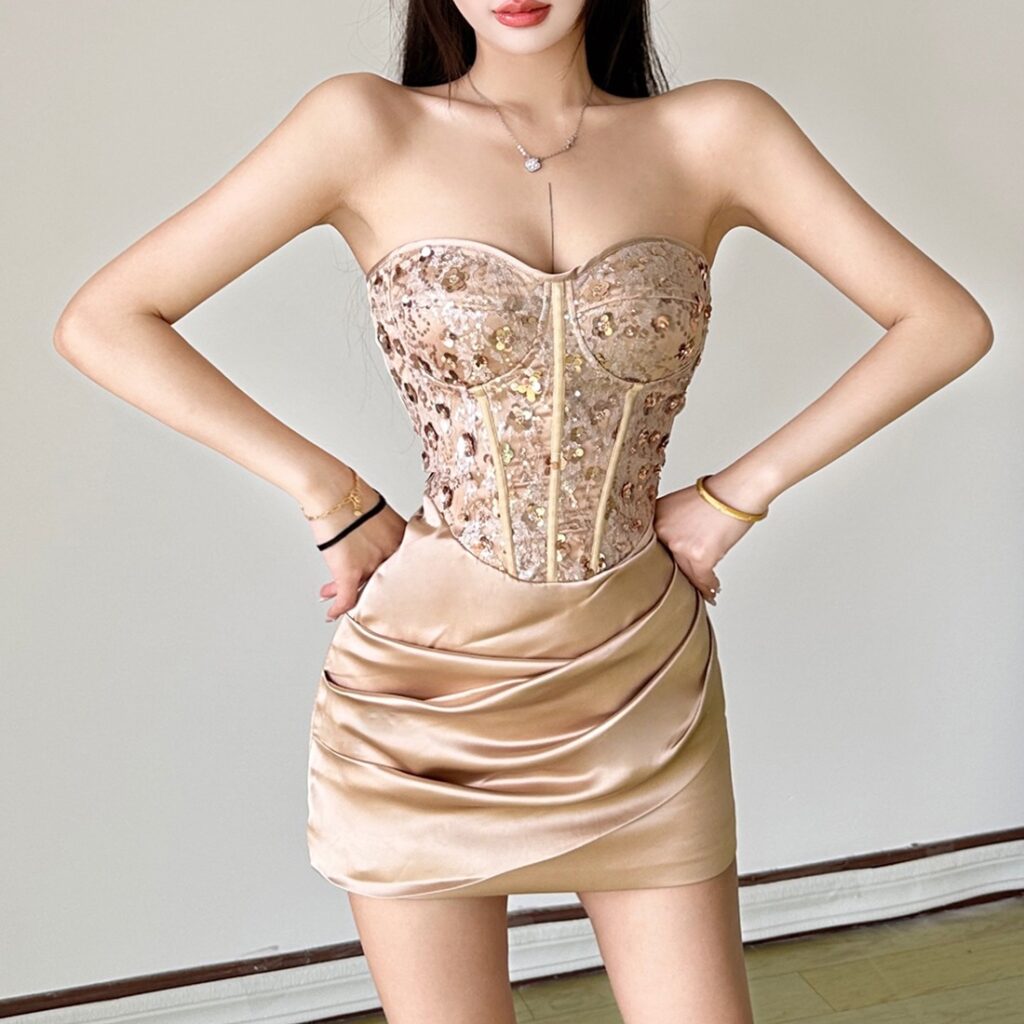
Hem unevenness is typically a fitting issue rather than a manufacturing fault. Wearing the garment with the intended shoes, standing naturally, and asking a tailor to mark the hem at the desired length on a pair of heels can prevent a crooked finish. Many slim and bodycon garments, including the Tatiana Light Luxury Gold Bodycon Midi Dress for Party Events, depend on precise hem placement because the fitted silhouette exposes any deviation. When adjusting such a piece, it is wise to request that the tailor preserve the original hem allowance where possible, since taking up a hem substantially may remove the margin needed for future alterations.
The Tatiana Light Luxury Gold Bodycon Midi Dress for Party Events demonstrates how a fitted cut magnifies small errors. A waist that sits slightly high will distort the bodice; a seam that runs off grain will twist the metallic surface; a hip that is compressed will produce horizontal stress lines. Because the garment relies on accurate tension across the body, one well-placed alteration can transform it from restrictive to effortless.

Bodycon construction reveals every fitting variance; alterations should be checked at the waist, hip, and hem before the garment is worn.
A practical habit can prevent many of these problems: test every garment before the return window closes by wearing it for an hour, sitting, reaching, and climbing stairs. Many fit failures appear only under movement. Keeping a short list of recurring issues, such as shoulders that run wide or waists that sit high, allows future purchases to be assessed against known measurements rather than impressions. Over time, this turns a frustrating wardrobe into a reliable one.
The Styling Takeaway
A wardrobe that feels unworkable is usually a wardrobe that has not been read closely enough. The solution is rarely another purchase. It begins with diagnosis: identifying whether the silhouette fails at the shoulder or the hem, whether the textile carries too much weight for its cut, whether construction omits the supports a garment needs, or whether a single accessory or alteration would complete an outfit that is nearly resolved. Each of these questions offers a precise response, and together they transform a closet from a source of anxiety into a set of considered options.
Approached in this way, every garment earns its place by answering a specific occasion, a particular body, and a clear idea of how it should move. Wearing what is already owned with renewed attention to proportion, textile, and fit will almost always prove more rewarding than chasing the next silhouette. The most elegant wardrobes are not the largest but the most legible, where each piece is understood and each adjustment is made with purpose.