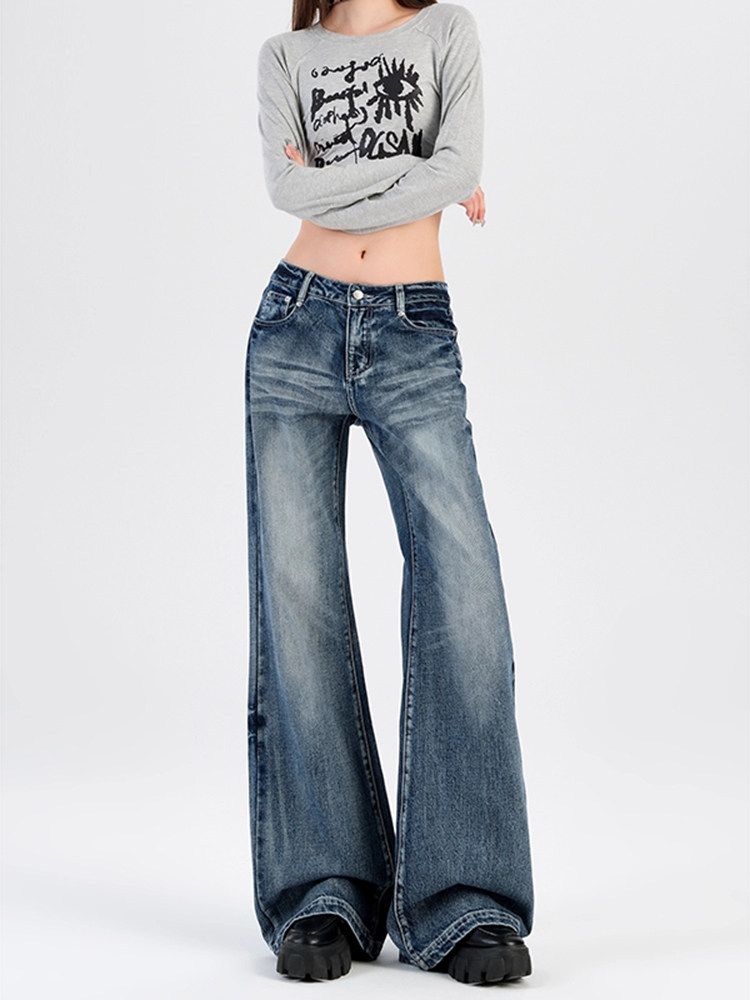
The jacket that works with dresses, jeans and everyday outfits is the one with a clean shoulder line, a length that lands at or just below the waist or hip, a neutral colour, and a fabric that is neither too stiff nor too soft. That combination gives you the best chance of pairing a single piece with a slip dress on Friday evening and a pair of wide leg jeans on Saturday morning. The rest of this guide explains why those variables matter, where the trade-offs sit, and how to test a jacket before you commit to it.
Start With Proportion, Because Everything Else Follows It
Most people choose a jacket by colour or by mood, then discover that it only flatters one or two outfits. Proportion is the more reliable starting point. A jacket sits on top of whatever is underneath, so its hem creates a new horizontal line across your body. Where that line falls relative to your waist, hips and skirt or trouser hem determines whether the outfit looks deliberate or accidental.
Think in terms of visual thirds. A cropped jacket that ends at the natural waist leaves the bottom two thirds of the outfit visible, which suits high waisted jeans and fuller skirts. A hip length jacket splits the body closer to the middle, which can be flattering over straight trousers or a fitted dress. A longer jacket that reaches mid thigh takes up more visual space and works best when the layer beneath is slim or when the hem of the dress falls clearly below it.
The Waist Length Rule for Dresses and High Rise Denim
If you wear dresses with defined waists and high rise jeans more often than anything else, a jacket that finishes at or slightly above the waist is the most adaptable choice. It keeps the waistline of a dress visible, and it avoids the bulk that can gather at the hip when a longer jacket sits over a gathered skirt. With denim, a shorter jacket also shows off the rise of the jeans rather than covering it.
When a Longer Jacket Makes More Sense
A longer jacket earns its place if your wardrobe leans toward slim trousers, tailored separates or midi dresses with a clean line. The extra length adds polish and reads as more formal, which is useful when the same piece has to go from a weekday commute to a dinner. The trade-off is that it becomes harder to wear over voluminous bottoms, and it can swallow a shorter dress entirely. If you mostly wear mini or knee length dresses, test any long jacket in front of a mirror before assuming it will work.
A straight leg jean such as the Sixtine gives a hip length jacket a clean vertical line to sit against.
Shoulders, Sleeves and the Fit Details That Decide Versatility
A jacket can have the right length and still fail if the shoulders are wrong. This is the one area where fit is hard to correct later, so it deserves the most attention in the fitting room.
The shoulder seam should sit at the edge of your shoulder bone, not hanging past it and not pinching in. A seam that drops down the arm gives an intentionally relaxed look, which can be stylish, but it limits how well the jacket layers over structured dresses or thicker knits. A seam that sits slightly too high restricts movement and looks tight when you reach forward. If you plan to wear the jacket over different tops and dresses, aim for a shoulder that fits cleanly with a little room to breathe.
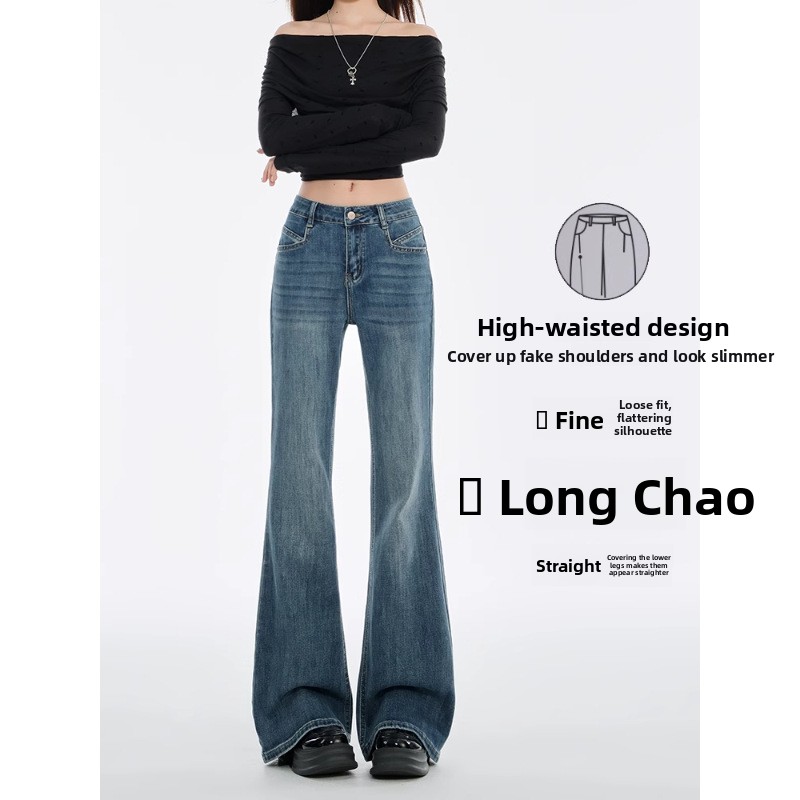
The Suzanne Vintage High Waisted Flared Denim Jeans brings balanced proportion and clean silhouette lines to everyday and occasion styling.
Sleeve Length and How It Interacts With What You Wear Beneath
Sleeve length matters more than most shoppers expect. A sleeve that stops at the wrist bone looks tidy over short sleeved dresses and tees. A longer sleeve that slightly covers the wrist works well over long sleeved layers but can look overwhelming over a sleeveless dress. If you want a single jacket to handle both, a sleeve that ends right at the wrist is the safest compromise. Rolling a sleeve to the forearm is an easy fix for a slightly long cuff, though it will not rescue a jacket whose sleeves are far too long.
Room Through the Body
Try the jacket on over the bulkiest thing you plan to wear with it. If it closes comfortably over a knit but looks shapeless over a slip dress, you have found the edge of its range. A jacket with a slightly looser body tends to adapt to both a fitted dress and a loose top, while a very fitted jacket can feel restrictive once you add layers beneath. There is no universal right answer, which is why you should decide which outfits you want it to serve first.
Fabric Weight and Texture: The Quiet Decision Behind Every Good Jacket
Fabric is the part of the jacket most likely to determine whether you reach for it twice a week or twice a year. Two jackets with identical cuts can behave very differently depending on weight, structure and surface.
Mid weight fabrics with some body tend to be the most flexible. They hold their shape over a dress without clinging, and they resist creasing better than very lightweight or very soft materials. Very lightweight fabrics drape beautifully over fluid dresses but can look limp over denim. Very heavy or stiff fabrics add polish and warmth, but they can overpower delicate dresses and make a casual outfit feel overbuilt.
Matching Texture to the Outfit’s Mood
Smooth, matte surfaces tend to feel more refined and sit well over dresses. Textured or rugged surfaces lean casual and pair naturally with jeans. A jacket whose texture sits somewhere in between is the most adaptable, though you will often find yourself nudging the styling in one direction. For example, a jacket with a slightly rugged finish can look deliberate over a slip dress when the accessories are polished, while a very refined jacket can look unexpectedly smart with relaxed denim.
Check the Care Label Before You Buy
A jacket you wear often needs to survive regular wear and cleaning. Textile care symbols follow standardised labelling, and the US Federal Trade Commission’s guidance on textile labelling explains what those labels are required to tell you. If a jacket demands dry cleaning only and you wear it weekly, factor that into the real cost of owning it.
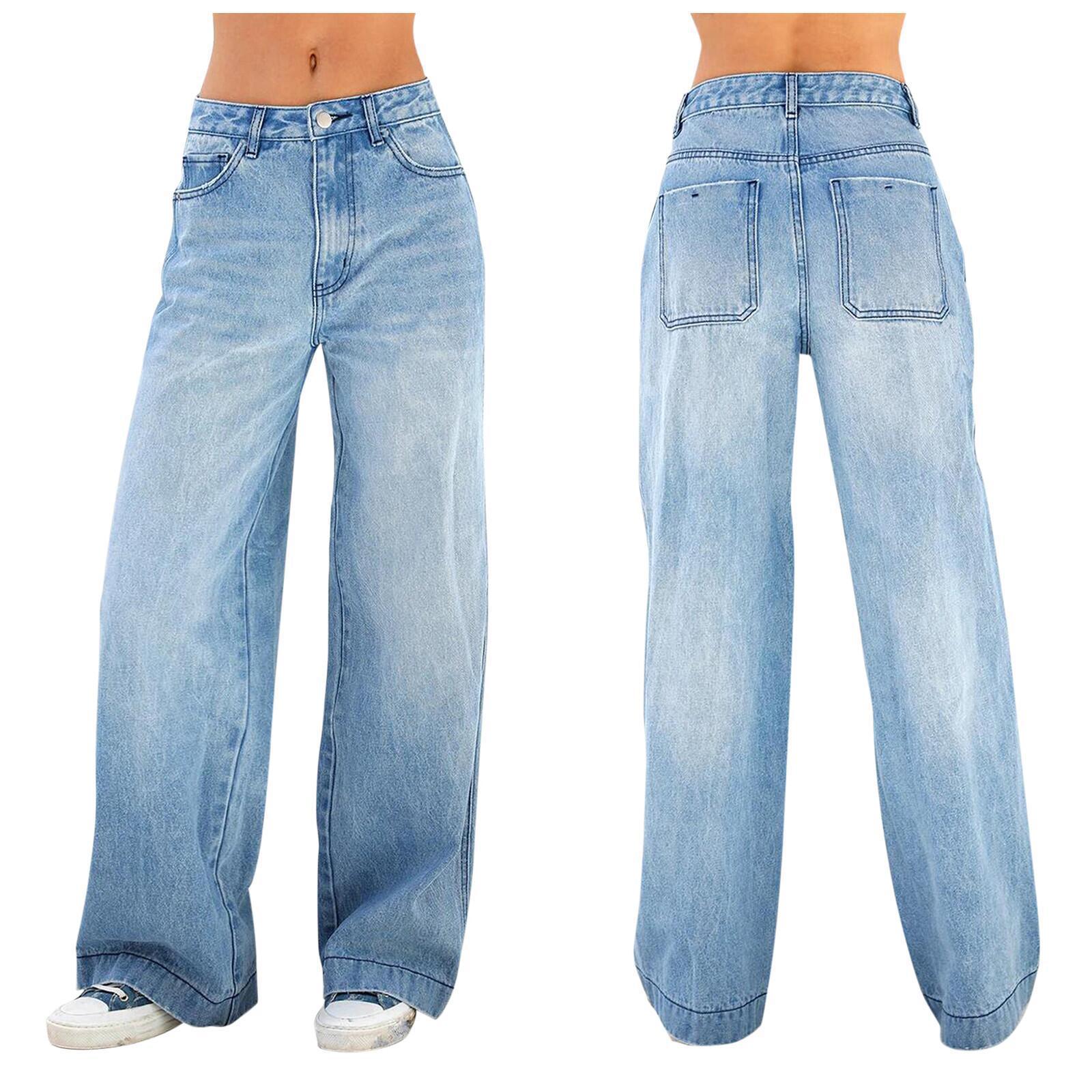
Wide leg denim like the Hortense balances well with a jacket that stops at or above the hip.
Colour Strategy: Building a Jacket Around the Wardrobe You Already Own
The most useful jacket colour is rarely the most exciting one. Before shopping, look at the dresses and denim you already wear and identify the tones that repeat. If your jeans are mostly mid or dark blue and your dresses lean toward black, navy, cream and the occasional print, a jacket in black, camel, ivory or a deep neutral will connect them all.
Black is the obvious safe choice, and it earns that reputation for good reason: it pairs with nearly everything and slims the visual line. Its limitation is that it can feel heavy over very light summer dresses and can flatten an outfit that is already dark. Camel and tan add warmth and sit especially well with blue denim. Cream or ivory feels fresh over darker dresses but marks more easily and needs more care. Grey can read as understated and modern, though some greys clash with warm toned dresses.
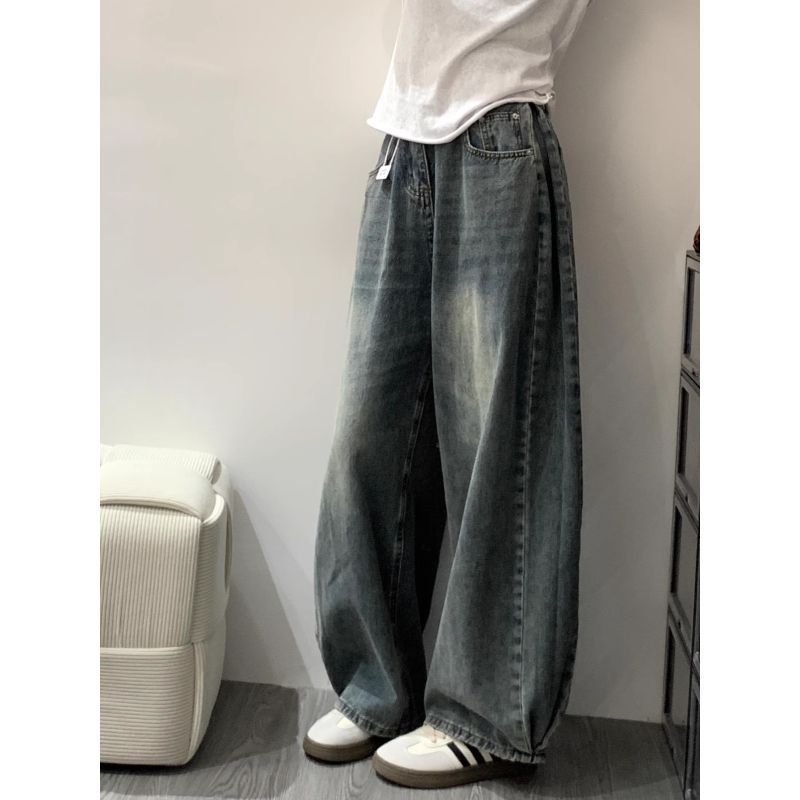
The Astrid Jeans Silhouette brings balanced proportion and clean silhouette lines to everyday and occasion styling.
The Case for One Statement Jacket
If your wardrobe is already built from neutrals, a jacket in a distinctive colour or print can lift simple outfits without requiring new dresses or jeans. The cost of this approach is flexibility: a bold jacket will not pair with every print or every colour, so it should be a second jacket rather than your only one. If you can only buy one piece, choose the neutral.
Testing a Jacket Against Real Outfits Before You Commit
The easiest way to avoid a purchase that sits unworn is to test it against actual outfits, not imagined ones. Before buying, run through three scenarios: a dress you wear often, a pair of jeans you wear often, and an everyday top and trouser combination.
The Dress Test
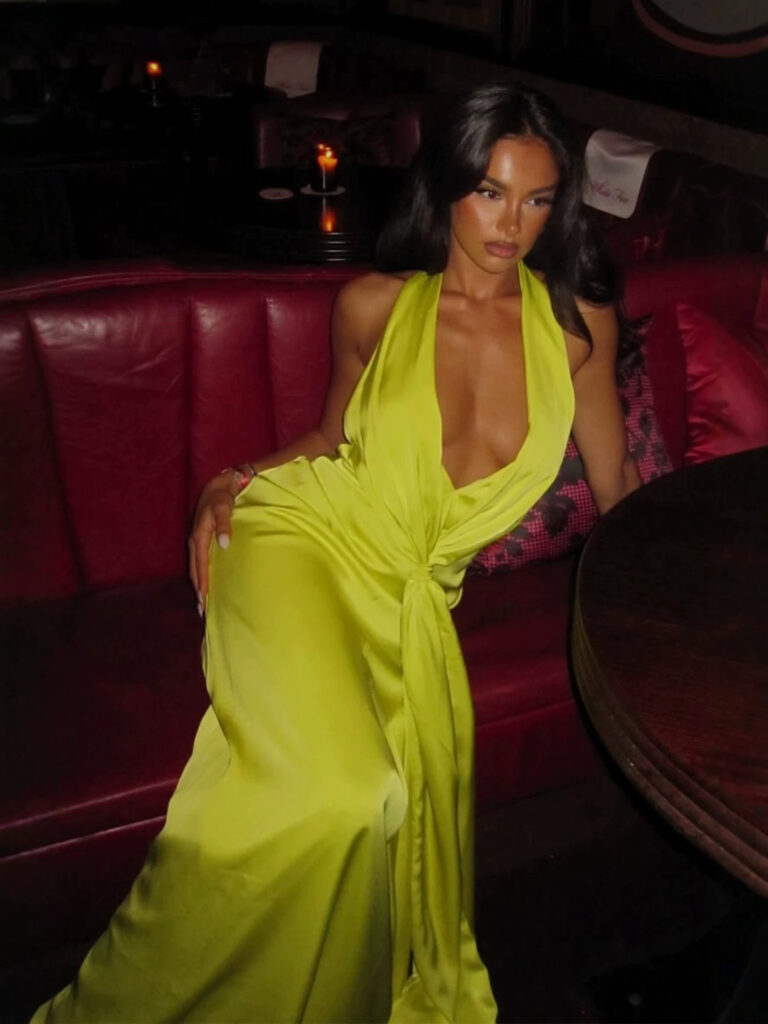
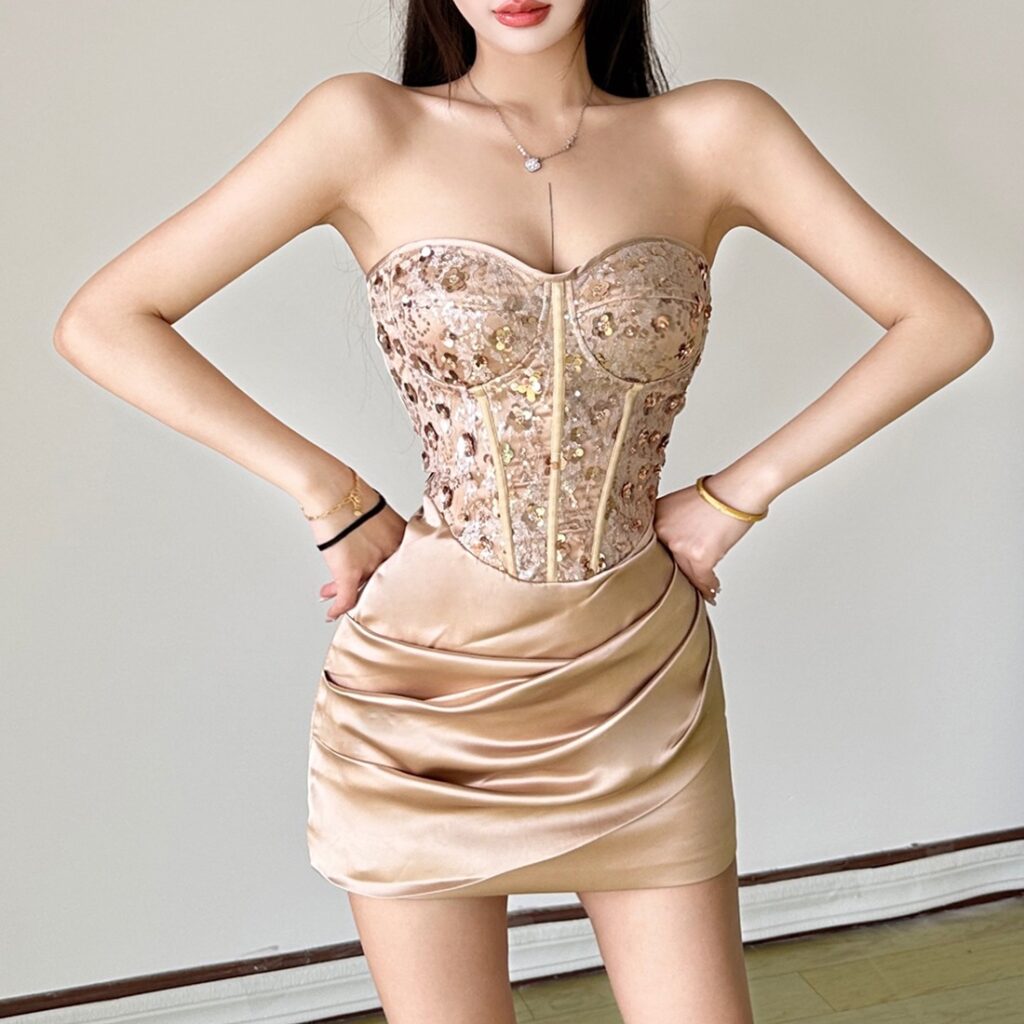
Put the jacket over a dress you own. Check that the hem of the dress is not peeking awkwardly below the jacket by an inch or two, which tends to look accidental. Either the dress should clearly extend past the jacket, or the jacket should fall clearly below the waist of the dress. If you are building around dresses, browse the Larose Couture dresses collection to get a sense of the silhouettes and lengths you might be pairing with a jacket, and consider which lengths you actually wear most.
For the cooler months, the principles in our guide on what to wear over a dress when the weather turns cool cover how different silhouettes interact with outer layers in more detail.
The Denim Test
Pair the jacket with jeans in two different cuts if possible. A jacket that looks sharp over straight leg jeans may feel unbalanced over flared denim, because the hem of the jacket and the flare of the leg compete for attention. Wide leg jeans benefit from a jacket that does not add extra volume at the hips, while slim fit denim gives you more freedom to wear a longer or looser jacket. If you want help deciding how to balance a relaxed trouser with an outer layer, our piece on how to style wide leg jeans without losing the shape of your outfit goes through the logic in detail.
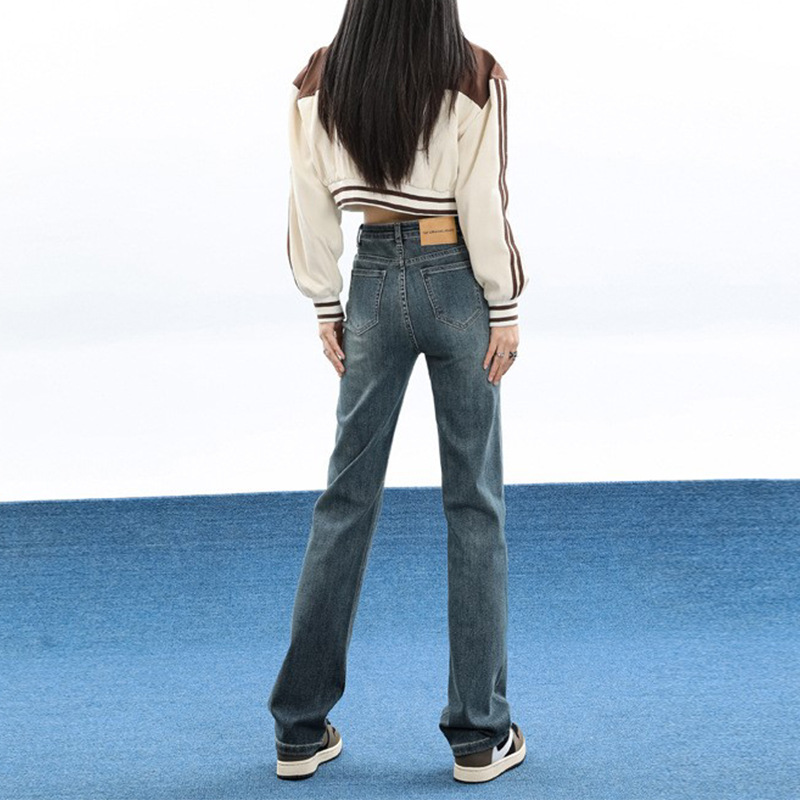
A slimmer leg such as the Magali gives a longer jacket room to take centre stage.
The Everyday Test
Finally, try it with the plainest outfit you own: a simple top and trousers or a tee and denim. A genuinely versatile jacket should make that outfit look more finished without feeling like a costume. If the jacket only looks right when everything else is styled carefully, it is more specialised than it appears.
Trade-Offs Worth Accepting and Ones Worth Avoiding
No single jacket covers every outfit equally well, and pretending otherwise leads to disappointment. It helps to be honest about which compromises are acceptable.
A jacket that is slightly more casual than your dresses is usually an acceptable trade, because relaxed outerwear over a polished dress is a familiar and flattering contrast. A jacket that is noticeably more formal than your denim is harder to justify, since it can make daytime outfits feel overdressed. A jacket that fits well through the shoulders but is a touch long in the sleeve is fixable. A jacket that is wrong in the shoulders is not.
Warmth is another trade-off. A lighter jacket works across more seasons but offers less protection, while a heavier jacket may sit unworn for half the year. If you live somewhere with distinct seasons, it may be more practical to treat versatility as the goal within a season rather than across all of them. Larose Couture’s jackets and coats collection is a useful place to compare lengths, weights and silhouettes side by side as you narrow down what suits your routine.
Know When a Second Jacket Is Justified
If your life includes both casual weekdays and regular evening events, one jacket may not do both jobs gracefully. A relaxed everyday layer plus a more refined option for evenings is often a smarter pairing than forcing a single piece to compromise. Our guide on building an evening outfit that works all night shows how outerwear fits into dressier plans.
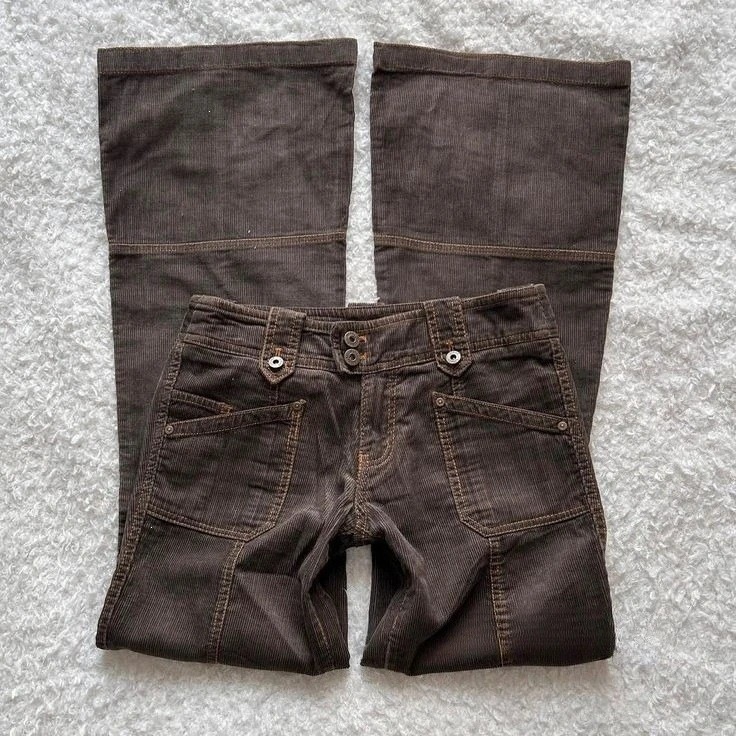
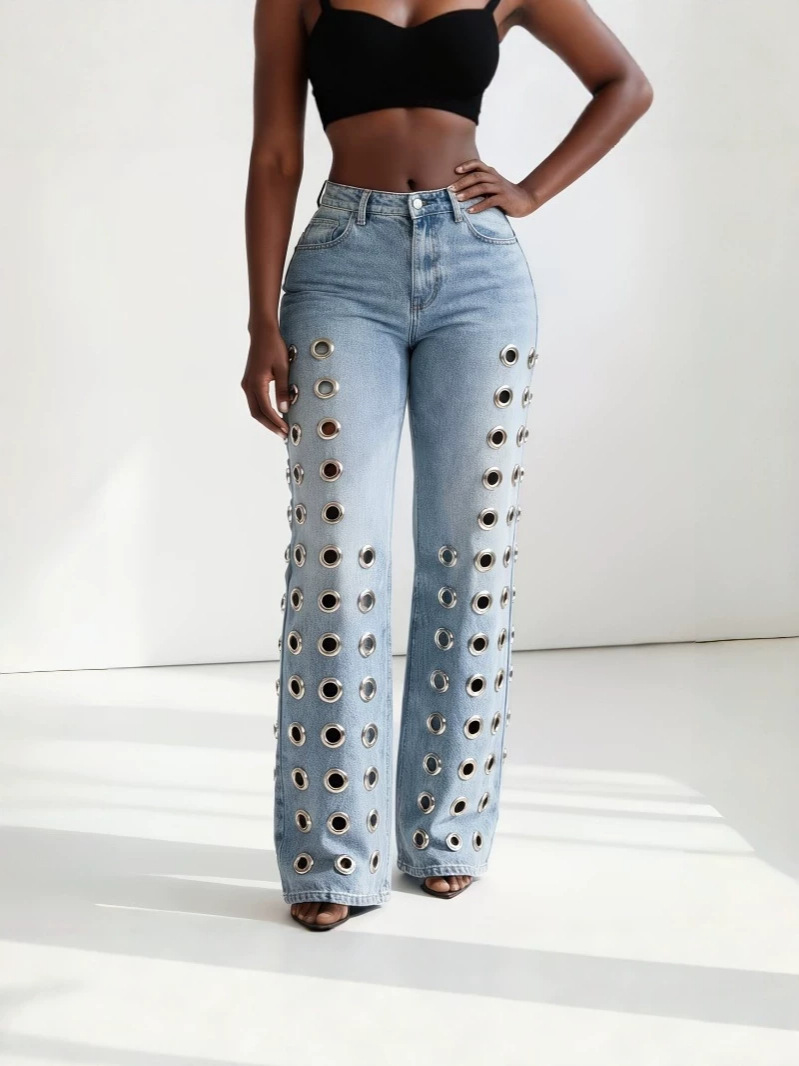
More characterful denim, like the Cyrielle, often calls for a quieter jacket so the outfit does not feel crowded.
Styling the Same Jacket Four Ways Across a Week
Versatility becomes easier to judge when you picture the jacket across actual days. Here is how one mid weight, neutral, hip length jacket might move through a typical week, without assuming any particular product.
Over a Dress for Work or Lunch
Layer it over a knee length or midi dress with a defined waist. Keep accessories minimal so the jacket and dress share the focus. Closed shoes or simple flats tend to keep the look grounded. If the dress has a print, choose a jacket in one of the print’s quieter background tones.
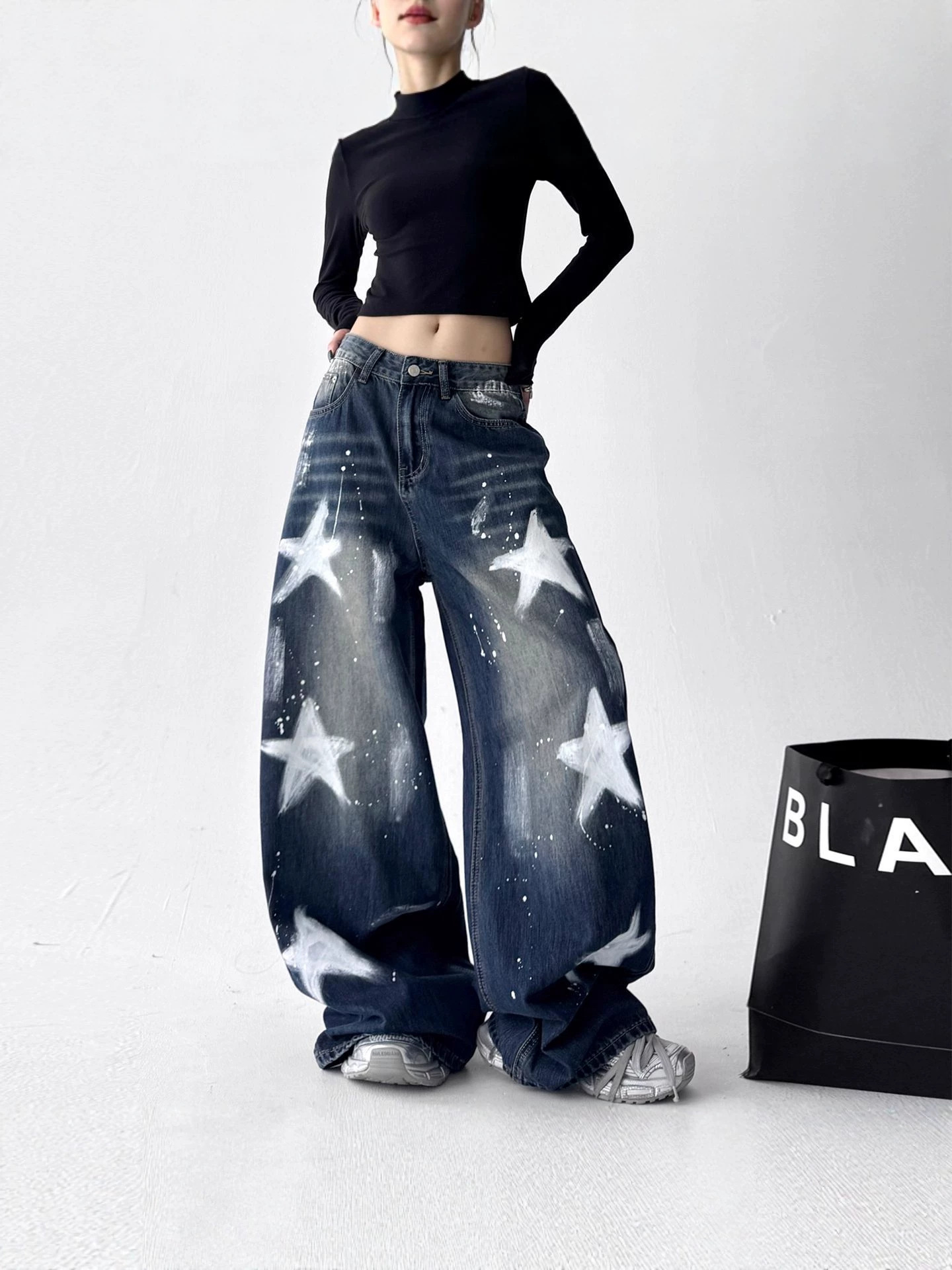
The Oceane Retro Star Graffiti Wide Leg Jeans brings balanced proportion and clean silhouette lines to everyday and occasion styling.
With Jeans on a Weekend
Pair it with straight or wide leg jeans and a plain top. Push the sleeves up slightly for a more relaxed effect. Trainers or loafers suit this combination, and a simple bag keeps it from looking overstyled. If you want denim that suits a neater, more structured look, the Sixtine high waist straight leg jeans sit comfortably under a hip length layer.
For an Evening Out
Wear it open over a slip dress or a fitted evening piece, and add jewellery to lift the look. A jacket in a neutral tone often acts as a frame rather than a distraction. You can browse jewellery and accessories to see which finishing touches suit the neckline of your dress.
On a Cold Commute
Layer a thin knit beneath the jacket and wear it closed. This is the scenario that exposes whether the body has enough room, and whether the sleeves can handle an extra layer without bunching.
The Styling Takeaway
A versatile jacket for dresses and jeans comes down to four checks: a length that suits the proportions of what you wear most, a shoulder and sleeve fit that handles different layers, a mid weight fabric with enough structure to hold its shape, and a neutral colour that connects your existing wardrobe. Test it against a dress, a pair of jeans and your plainest everyday outfit before you commit, and accept the trade-offs honestly rather than hoping one piece will do everything. When you are ready to compare options, start with the Larose Couture jackets and coats collection, and check the delivery and returns policy so you know how trying a piece at home works.