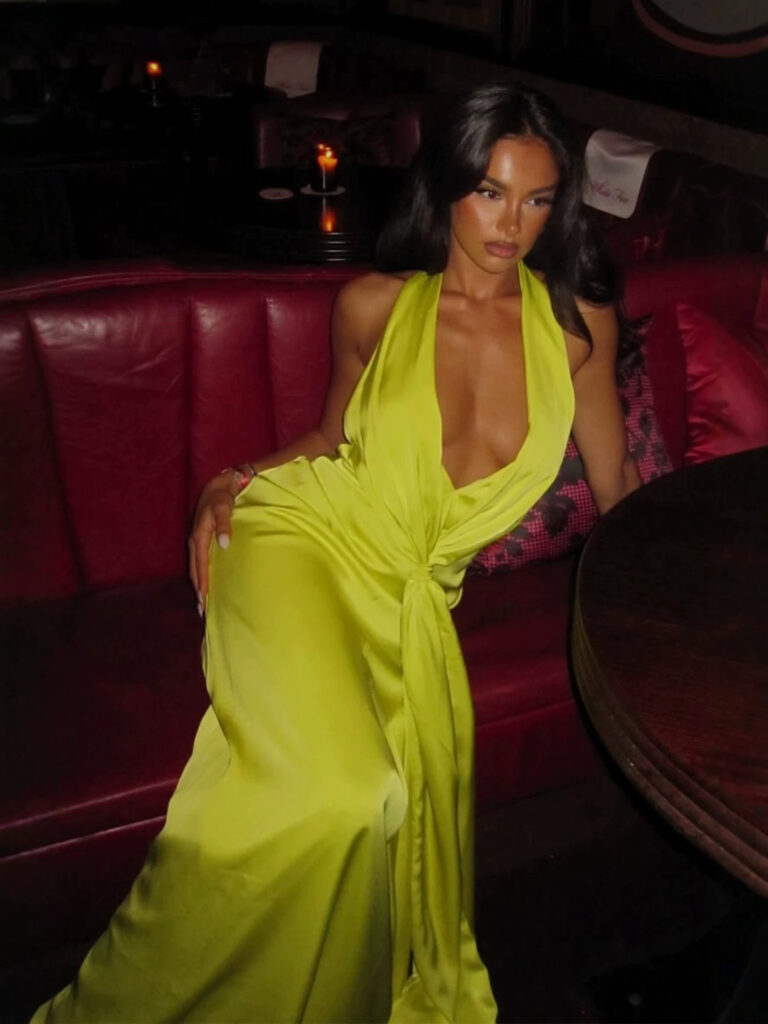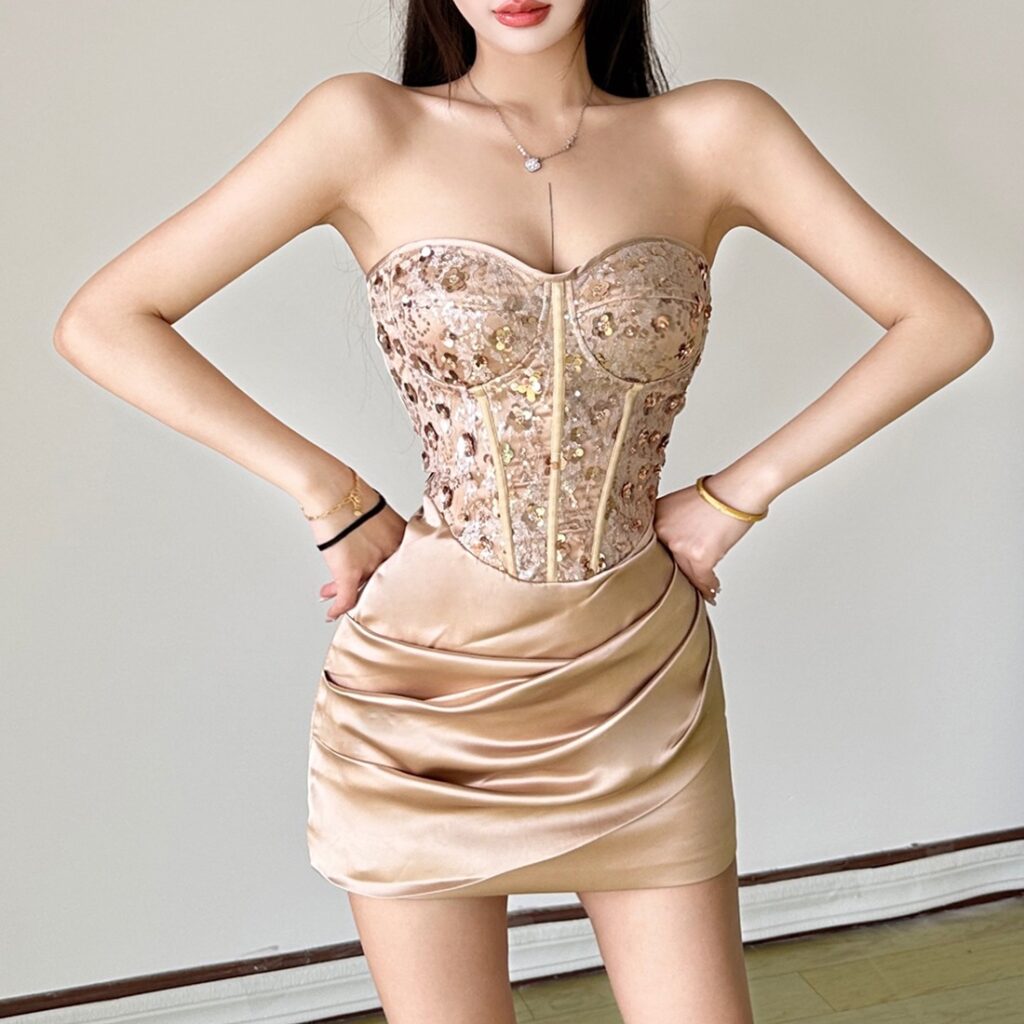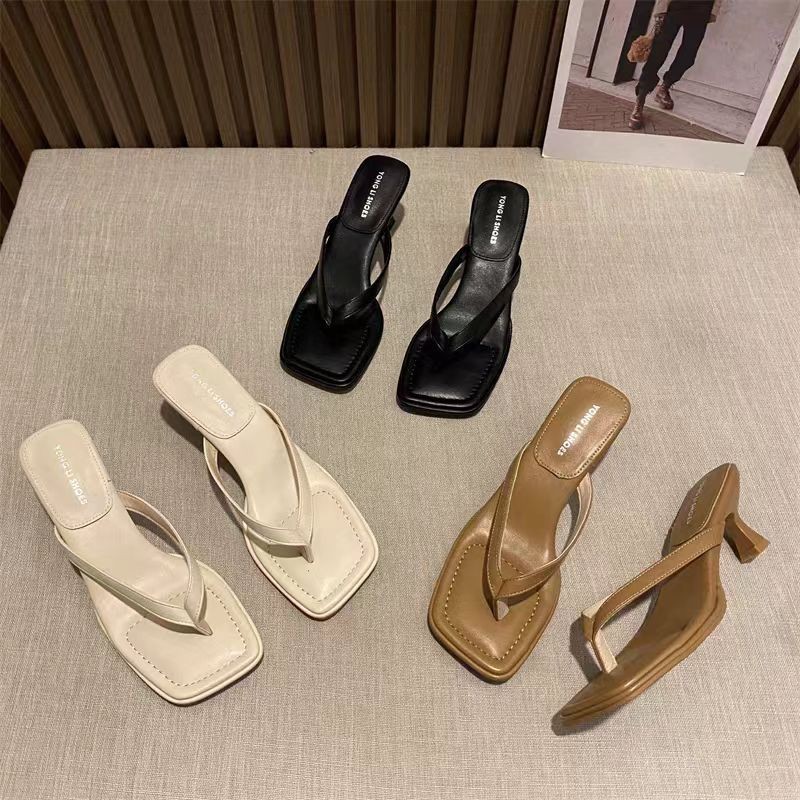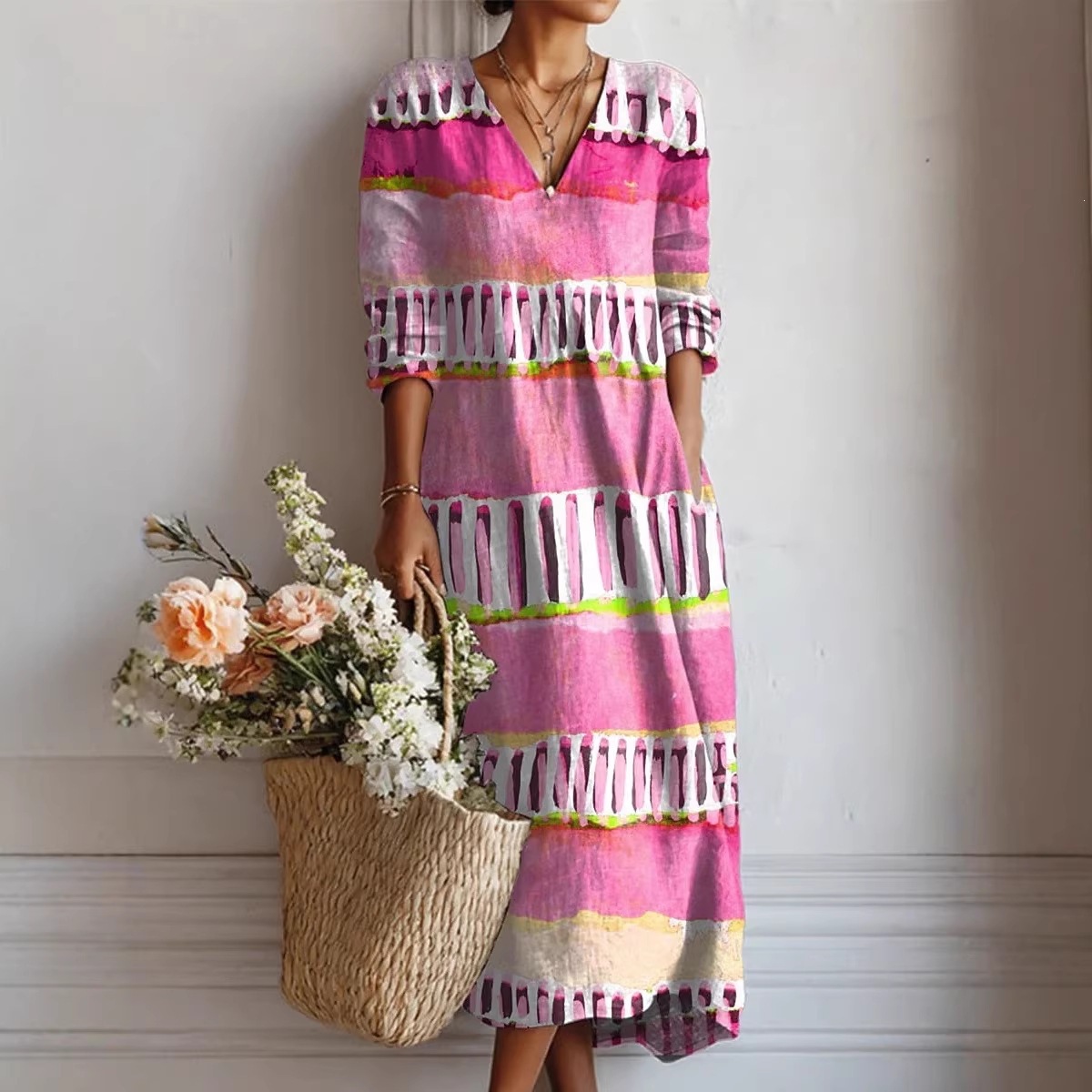
The short answer is to let the dress set the terms and let each accessory answer one question: what does this outfit still need? A simple dress is not a blank page that demands filling; it is a clean frame, and the best accessorizing strategy is to choose one focal point, support it with one quiet detail, and stop there. Most overcrowded outfits fail not because any single piece is wrong, but because six reasonable pieces are all competing for the same spot on the eye.
That restraint can feel counterintuitive, especially when a dress looks plain on the hanger and you worry it will read as unfinished. Yet simple silhouettes are often the most versatile garments in a wardrobe precisely because the styling can change while the dress does not. A single dress can look composed at a family lunch, polished at a work event and evening-ready with a sharper bag and shoe, if you understand how accessories interact with the cut, the neckline and the fabric. What follows is a practical way of thinking about it, with the trade-offs included.
Start With the Dress, Not the Accessory Drawer
Before reaching for anything shiny, look at what the dress is already doing. Three details tend to decide how much accessorizing it can carry: the neckline, the amount of colour or pattern, and the way the fabric moves.
A high or rounded neckline already frames the face and collarbone, so it leaves room for earrings but can fight with a necklace. A deep V or scooped neckline invites a pendant or a delicate chain that follows its line. An off-shoulder or strapless shape leaves the neck and shoulders bare, which makes jewellery near the face, such as earrings or a slim choker, far more noticeable than a long necklace that would collide with the neckline.
Pattern and colour matter just as much. A solid, muted dress can take a bolder accessory without strain. A dress with a graphic print, a colour block or a lace overlay is already doing a good deal of visual work, so accessories should recede. Take, for example, the Capucine Black White Color Block Sleeveless Dress: its two-tone structure gives the outfit a strong built-in graphic quality, which suggests that quiet metals and a clean bag will usually sit better than anything with competing pattern.
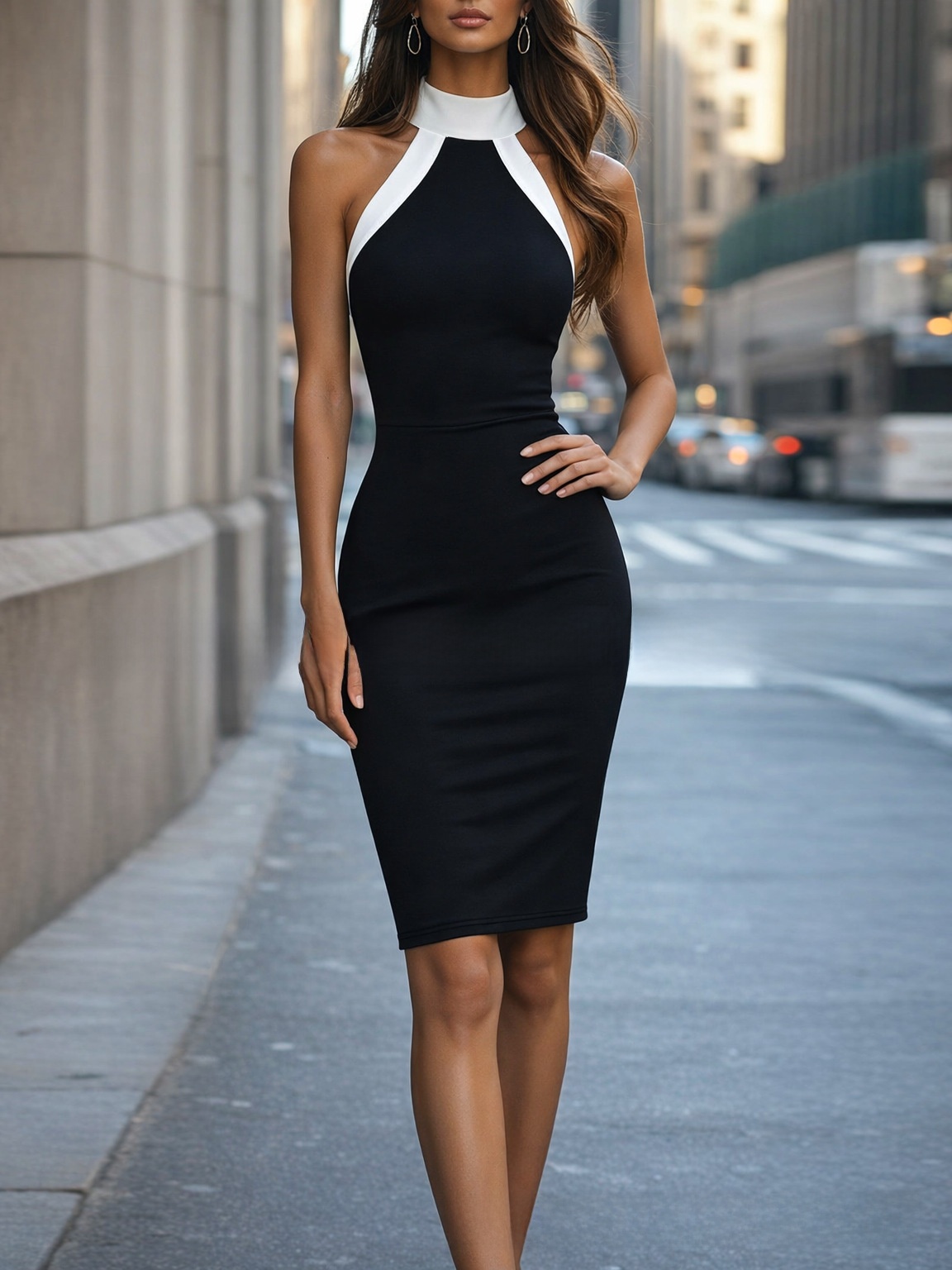
A colour block dress already carries visual interest, so accessories can stay understated.
Fabric adds another layer of judgement. Fluid fabrics tend to look best with slim, lightweight accessories that do not fight the movement, while structured fabrics can handle firmer shapes such as a rigid clutch or a sculptural cuff. If you want a deeper look at how fabric behaviour influences an outfit overall, our guide to choosing between satin, chiffon and cotton covers the practical differences.
The One Focal Point Rule and How to Apply It
The most reliable way to avoid overcrowding is to decide where you want the eye to land and then give that spot a single, deliberate accessory. There are four natural focal zones on a simple dress outfit: the ears and face, the neck and neckline, the waist, and the hands and wrists. Pick one as the lead and treat the others as supporting cast.
Choosing your lead
If the dress has a plain neckline and you want to draw attention upward, make earrings the lead: a statement drop, a bold hoop or a sculptural stud. Keep the neck bare or wear only a very fine chain. If you would rather emphasise the neckline, choose a necklace as the lead and keep earrings small enough to disappear. If the silhouette is fitted at the waist, a belt can become the lead, in which case everything above it should stay minimal.
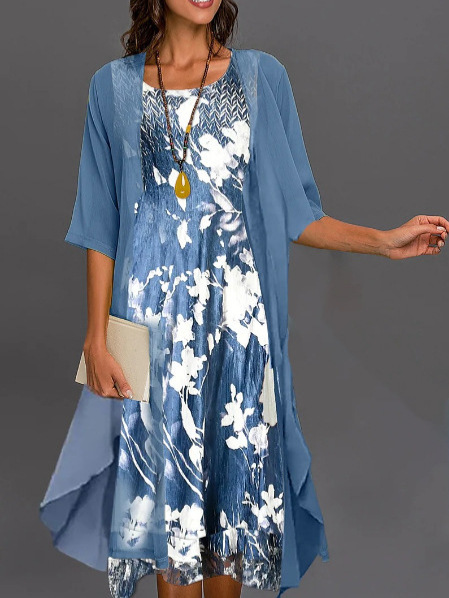
The Anais Fashionable and Elegant Chiffon Dress brings balanced proportion and clean silhouette lines to everyday and occasion styling.
Supporting pieces
Supporting accessories should repeat a quality of the lead rather than introduce a new idea. If the lead is a warm gold earring, a thin gold watch or a plain gold ring echoes it without competing. If the lead is a patterned scarf, the shoes and bag can pick up one of its colours in a neutral tone. Repetition reads as intention; variety without logic reads as clutter.
A useful gut-check is to look in the mirror and name the first thing you notice. If you cannot answer in one word, or you have two answers, remove something.
Jewellery: Scale, Metal and Placement
Jewellery is where most overcrowding happens, because it is the easiest category to add to and the hardest to edit. The principle is proportion: the amount of detail in the jewellery should be inversely related to the amount of detail in the dress.
Scale also needs to respond to your own frame and to the garment. Very long pendant necklaces can disappear against a printed bodice or look disconnected from a high neckline, while a short collar-length chain can look cramped under a closed collar. Earrings that touch the shoulder can clash with a halter or off-shoulder cut. These are visual guidelines, not rules to be applied rigidly, and trying pieces on in front of a mirror remains the most honest test.
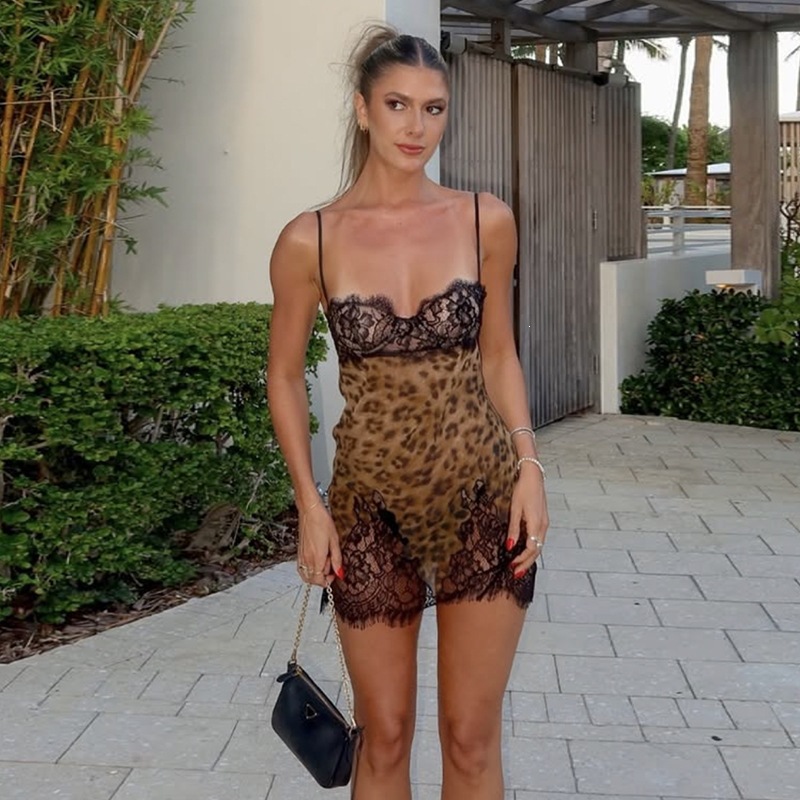
The Odette Sleeveless Leopard Print Lace Dress brings balanced proportion and clean silhouette lines to everyday and occasion styling.
On metals, mixing gold and silver is perfectly acceptable if it looks deliberate, for instance by wearing them in clearly separated places or in a single piece that already combines both. If you are unsure, committing to one metal across the outfit is the safer route. For options that suit this approach, the jewellery and accessories collection is a sensible place to browse for pieces that work in a pared-back set.
A practical limit worth trying: keep visible jewellery to three elements at most, counting a watch, a bracelet stack or a ring set as one element each. Beyond that, ask whether the extra piece is adding anything the first three have not already said.
Belts, Bags, Shoes and the Quiet Accessories That Carry the Outfit
Non-jewellery accessories are often more transformative than any necklace, because they change the proportions and the formality of the outfit.
Belts
A belt redefines the waist and can turn a straight silhouette into a shaped one. That is useful on a shift or a loose column, but unnecessary on a dress that already has a defined or fitted waist. The Marine Dress with a Fitted Skirt and a Middle, for example, is described by its title as having a defined middle section, so adding a heavy belt on top could duplicate what the cut already does. Where a belt is warranted, a slim one in a tone close to the dress usually looks more refined than a wide contrasting band.
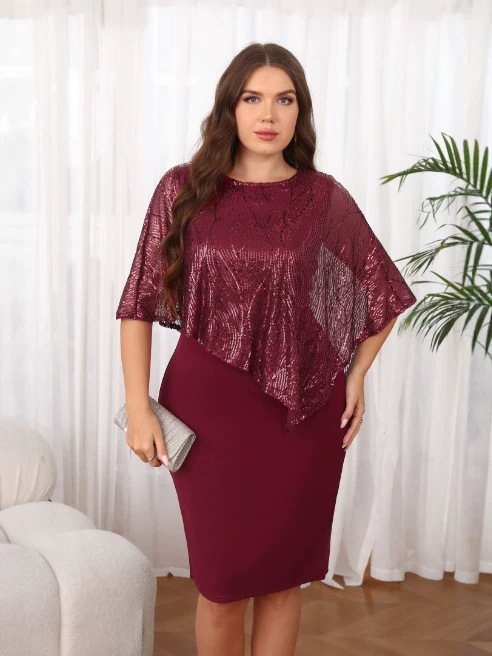
When a dress already defines the waist, the rest of the accessories can stay quiet.
Bags
The bag is often the most visible accessory in a full-length view, so its size and colour deserve as much thought as the jewellery. A small structured bag in a neutral reads as formal. A slouchy tote reads as daytime. A bright colour can act as the one lead accent if everything else stays muted. Match the bag’s scale to the dress: a long, flowing skirt can swallow a micro bag, while a short, fitted dress can look top-heavy with an oversized one.
Shoes
Shoes anchor the outfit and set its mood. A block heel or flat sandal pairs easily with a simple daytime dress, while a pointed pump or strappy heel pushes the same dress toward evening. If you are wearing a dress with a slit or a shorter hem, consider how the shoe shape interacts with the leg line: a slim ankle strap can shorten the leg visually, while a nude or skin-tone shoe tends to lengthen it.
Layering and Outerwear as Accessories
It is easy to forget that a jacket, a cardigan or a scarf is also an accessory, and an extremely powerful one. Adding a layer changes the neckline, the shoulder line and the overall silhouette, so the rest of your accessorizing should be adjusted accordingly.
With a structured blazer or a tailored coat, necklaces often vanish under the lapel, so earrings and a watch do more of the work. With a soft knit cardigan, delicate jewellery can still show through the open front. If the weather turns cool and a layer becomes necessary, our guide on what to wear over a dress when the weather turns cool walks through options for different silhouettes, and the jackets and coats collection shows how a single outer layer can reset the whole outfit.
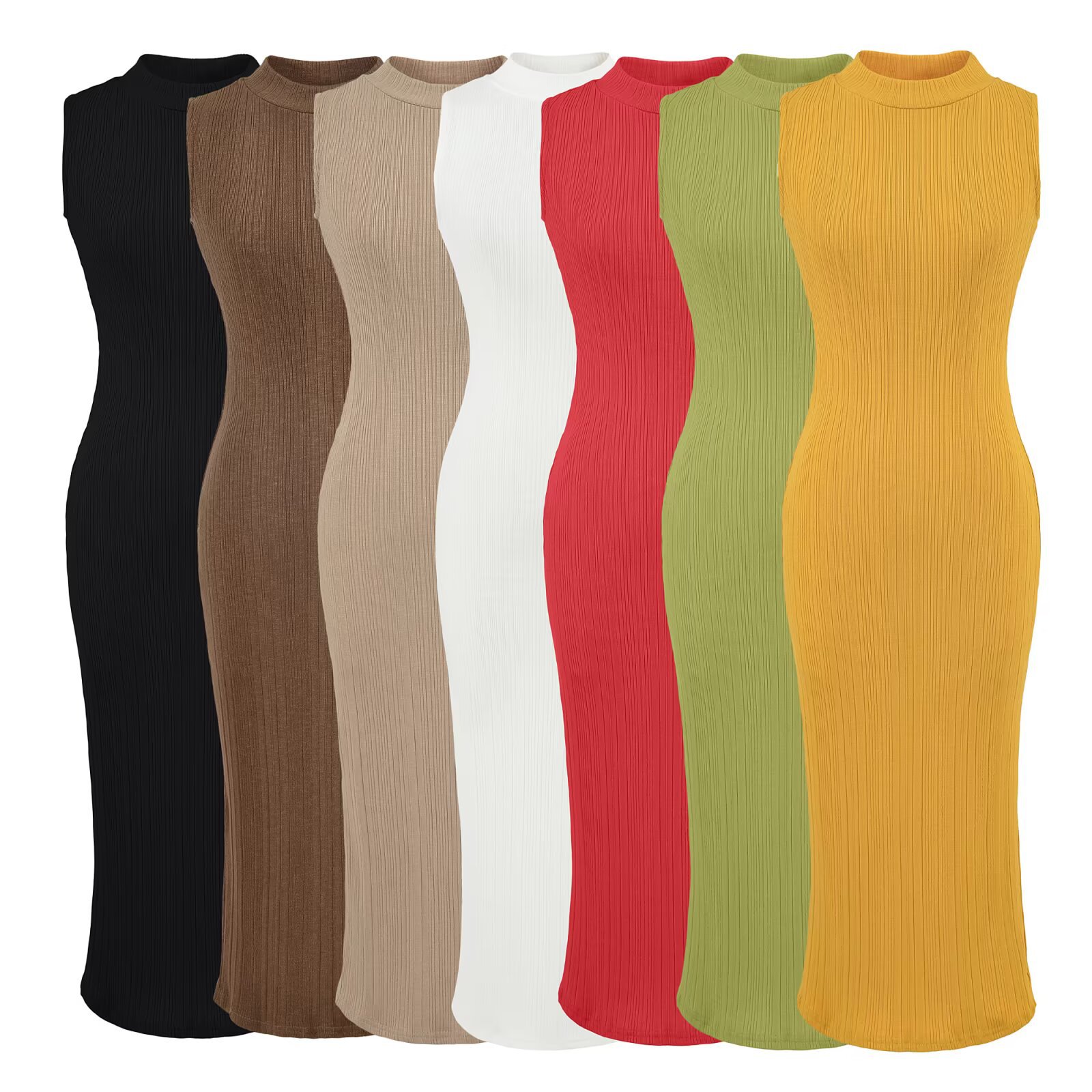
The Gaia Small Round Neck Elastic Slim Fit Waist Slit Dress brings balanced proportion and clean silhouette lines to everyday and occasion styling.
The trade-off is that a heavy or highly textured outer layer already adds a great deal of visual weight, so everything else should lighten up. A chunky knit plus a statement necklace plus a bold bag is a recipe for the overcrowded look you are trying to avoid.
Adjusting the Same Dress for Different Occasions
One of the quiet benefits of a simple dress is how readily it adapts. Rather than owning a different dress for every event, you can shift the accessories to match the formality, the venue and the time of day.
Daytime and casual settings
Keep everything light and low effort: small earrings or a thin chain, a flat sandal or clean sneaker if the dress allows, a crossbody or tote and perhaps a simple watch. The goal is ease. If the occasion is a celebration, such as a daytime birthday, the guidance in our piece on choosing a birthday dress that suits the venue can help you decide how much polish the setting calls for.
Work and daytime formal
Structure helps here. A tailored bag, closed-toe shoes in a neutral and one refined jewellery piece read as professional without being stiff. Fluid dresses such as the Isaline Fashionable and Elegant Chiffon Dress can look especially composed when paired with a clean line of jewellery and a polished flat or low heel, since the movement of the fabric already supplies softness and the accessories only need to supply structure.
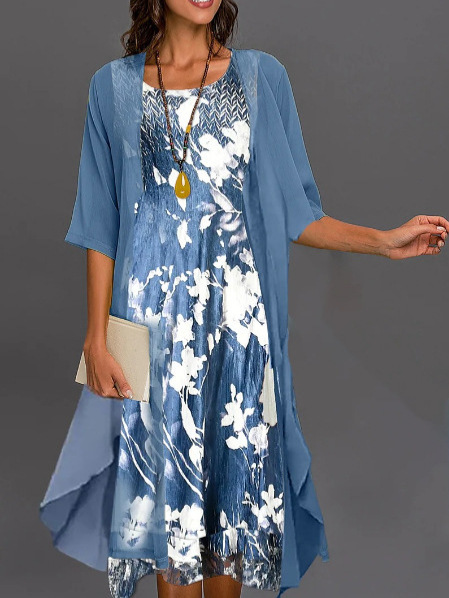
A flowing dress needs only a few structured accents to feel composed.
Evening and events
Evening permits more drama, but not more volume. Swap the day bag for a clutch, move to a heel or a dressier flat and upgrade the lead accessory: a bolder earring, a sleeker metal, a more polished finish. If the dress is already sensuous in its cut, as with the Roxane Party Hollow Out Backless Long Bandage Dress, which its title describes as backless and hollow-cut, the back and shoulders are doing the dramatic work. In that case, simple earrings and a small clutch let the design speak without being drowned out.
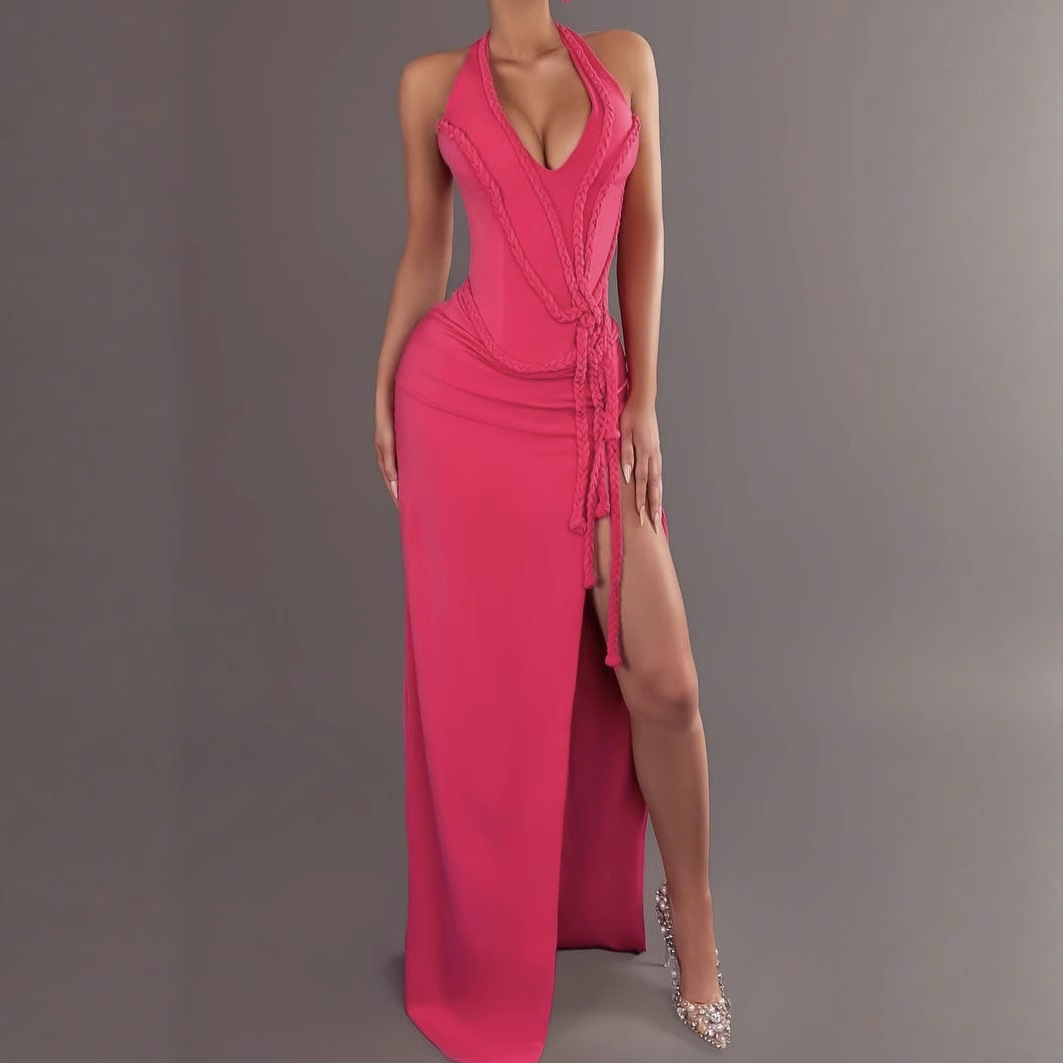
A dress with a dramatic back or cut-out detail rarely needs competing jewellery.
For formal events that follow a dress code, such as a ceremony where you are a guest, the advice in what to wear to a graduation ceremony as a guest offers a useful reference for balancing polish and restraint.
Colour, Texture and the Editing Habit
Colour is the other quiet variable that decides whether accessories feel curated or chaotic. A reliable method is to build the palette from the dress outward: choose one neutral (such as black, tan, cream or nude) for shoes and bag, and allow one accent colour to appear in a single accessory. If the dress already contains multiple colours, draw your accent from within the dress itself, as it will look intentional. Our broader guide to choosing clothing colours that work together expands on this logic.
Texture works similarly. A smooth satin dress can handle a woven bag or a textured leather belt, and a lace or patchwork dress usually looks better with smooth, glossy accessories that give the eye somewhere to rest. The Mathilde Elegant Off Shoulder Patchwork Dress, as its title suggests, carries visible construction detail across the bodice, so a plain, sleek accessory set is typically the more flattering counterweight. Fashion history offers plenty of precedent for this kind of balance; the V&A’s fashion collections show how designers across eras have used a single ornament against a clean line to define a look.
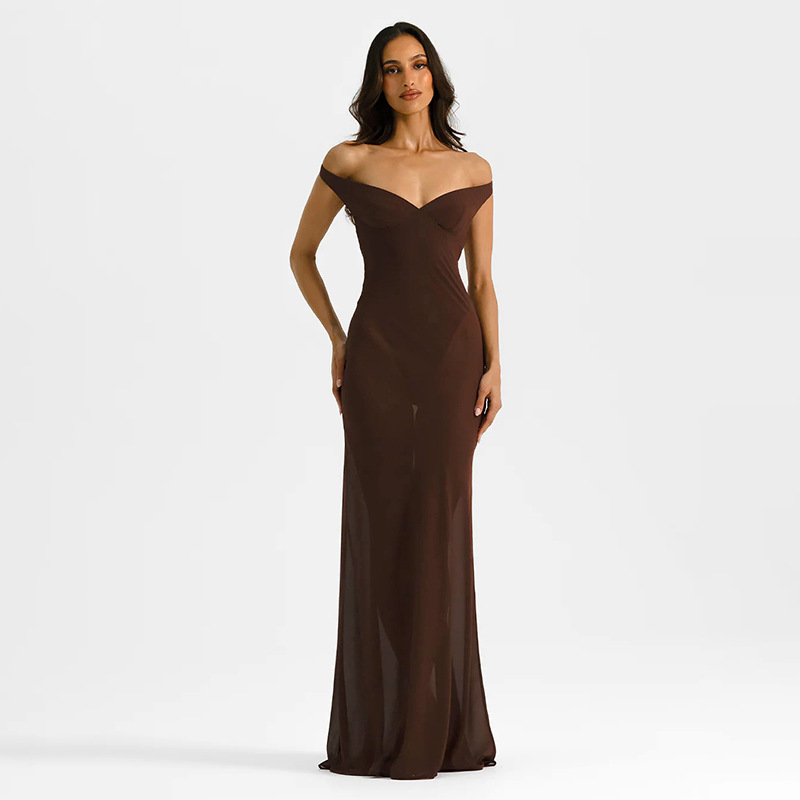
When the dress has visible detail, smooth and simple accessories give the eye a place to rest.
The final-mirror edit
Make a habit of finishing the outfit and then removing one thing before you leave. Coco Chanel’s widely repeated advice to take off one accessory before leaving the house is often quoted in fashion writing, though its exact origin is disputed, so treat it as a handy folk rule rather than a documented instruction. Whatever its source, the habit works: a final edit trains your eye to see excess, and over time you will need it less.
Be honest about the trade-offs, too. A pared-back outfit is not automatically a better outfit. If the look feels flat, add one deliberate element rather than three small ones. If it feels busy, subtract the piece that overlaps with another. And if you are shopping for a dress with accessorizing in mind, size and fit matter as much as the accessories do, since a poor fit will undermine any styling. Our guides on reading an online size chart and telling whether a dress will fit before you buy can help you start from a garment that sits well.
The Styling Takeaway
Choose a single focal point, keep the supporting pieces quiet and let the dress’s neckline, fabric and colour tell you how much more it can take. Before you leave, remove one item and check whether the outfit still reads clearly. If you are looking for a clean foundation to build on, explore the women’s dresses collection and the jewellery and accessories range, and let one well-chosen detail do the work.