The short answer: choose satin when you want sheen and a sculpted, evening-ready line, chiffon when you want softness, movement and a romantic finish, and cotton when you want structure, breathability and an easy day-to-night wardrobe staple. The longer answer depends on where you are going, how long you will be wearing the dress, and what you want the fabric to do for your silhouette once you start moving, sitting and standing in it.
Most shoppers pick a dress by colour and neckline, then discover the fabric only when it arrives. That is how a beautiful dress ends up clinging in the wrong places, wrinkling within an hour, or feeling far too warm for a July wedding. Fabric decides drape, weight, opacity, comfort and how a dress behaves in photographs, which makes it one of the most practical details to understand before you add anything to your basket.
This guide compares the three fabrics side by side, then turns them into decisions: what suits a formal evening, what survives a long day, what works in heat, and what to check before ordering online.
What Separates Satin, Chiffon and Cotton Before You Even Try Them On
The three fabrics sit at different points on a spectrum of structure, sheen and weight. Understanding where each one falls makes every later decision easier.
Satin: Light-Catching and Close to the Body
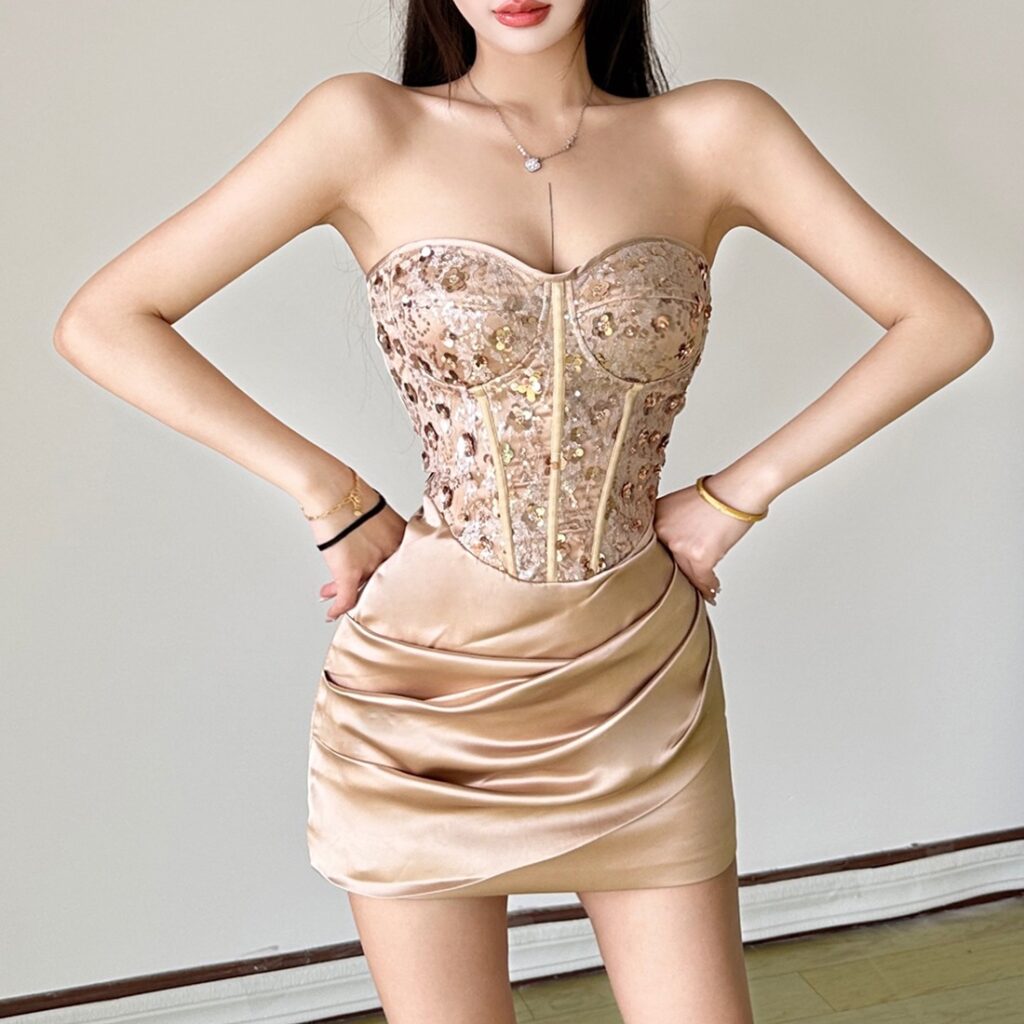
Satin is defined by its weave rather than its fibre, which is why it can be made from silk, polyester or other materials. The weave produces a smooth, glossy face and a duller back. The result is a fabric that reflects light, falls in long vertical lines and tends to follow the body more closely than a crisp or textured cloth would. That reflectivity is the point: satin is the fabric of evening, and it photographs richly under warm or low lighting.
The trade-off is honesty. A glossy surface highlights seams, creases and anything beneath it, so the cut and any lining matter as much as the fabric itself.
Chiffon: Sheer, Airy and Built for Movement
Chiffon is a lightweight, slightly sheer fabric with a fine, soft texture and a subtle grainy feel. It rarely hangs rigidly. Instead it floats, ripples and softens whatever line it is cut into, which is why you see it in layered skirts, flutter sleeves, overlays and gathered bodices. It is rarely worn alone as a single thin layer, so chiffon dresses usually include a lining or underlayer to manage opacity.
Because it is so light, chiffon moves with the wearer and tends to feel airy in warmer weather, though it offers little structure and can snag more easily than denser fabrics.
Cotton: Breathable, Matte and Dependable
Cotton is a natural fibre with a matte surface, a drier hand-feel and a reputation for comfort. It is breathable, generally easy to care for, and available in everything from crisp poplin to soft jersey. Its matte finish reads relaxed and daytime-appropriate, and its structure helps hold a shape, from a fitted bodice to an A-line skirt.
The limitations are well known: cotton often creases more readily than synthetics, and it rarely delivers the glamour of satin or the softness of chiffon in formal settings. That is not a flaw, only a different job description.
| Quality | Satin | Chiffon | Cotton |
|---|---|---|---|
| Surface | Glossy and smooth | Soft, fine, slightly sheer | Matte and textured |
| Movement | Fluid, vertical drape | Floating, rippling | Holds shape, moves less |
| Best mood | Evening, polished | Romantic, celebratory | Relaxed, daytime |
| Common concern | Shows seams and creases | Needs lining, can snag | Creases easily |
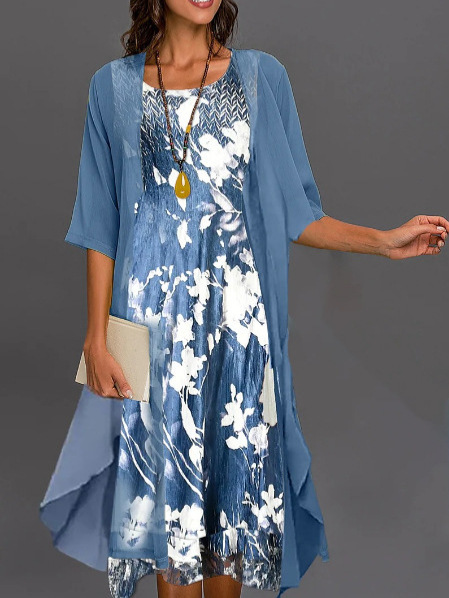
Soft, flowing fabrics change the whole mood of a silhouette.
Match the Fabric to the Occasion, Not Just the Dress Code
Dress codes tell you how formal to be. Fabric tells you how that formality will actually feel and look over several hours. Two dresses can both qualify as “cocktail” and behave completely differently by the second hour of an event.
Evening Events and Formal Dinners
Satin earns its reputation here. Its sheen reads as dressed up under indoor lighting, and a clean satin line needs little decoration to look intentional. If the event sits at the dressier end of cocktail attire, our guide to cocktail attire for women explains what that dress code actually asks of a silhouette, and satin is one of the most reliable ways to meet it.
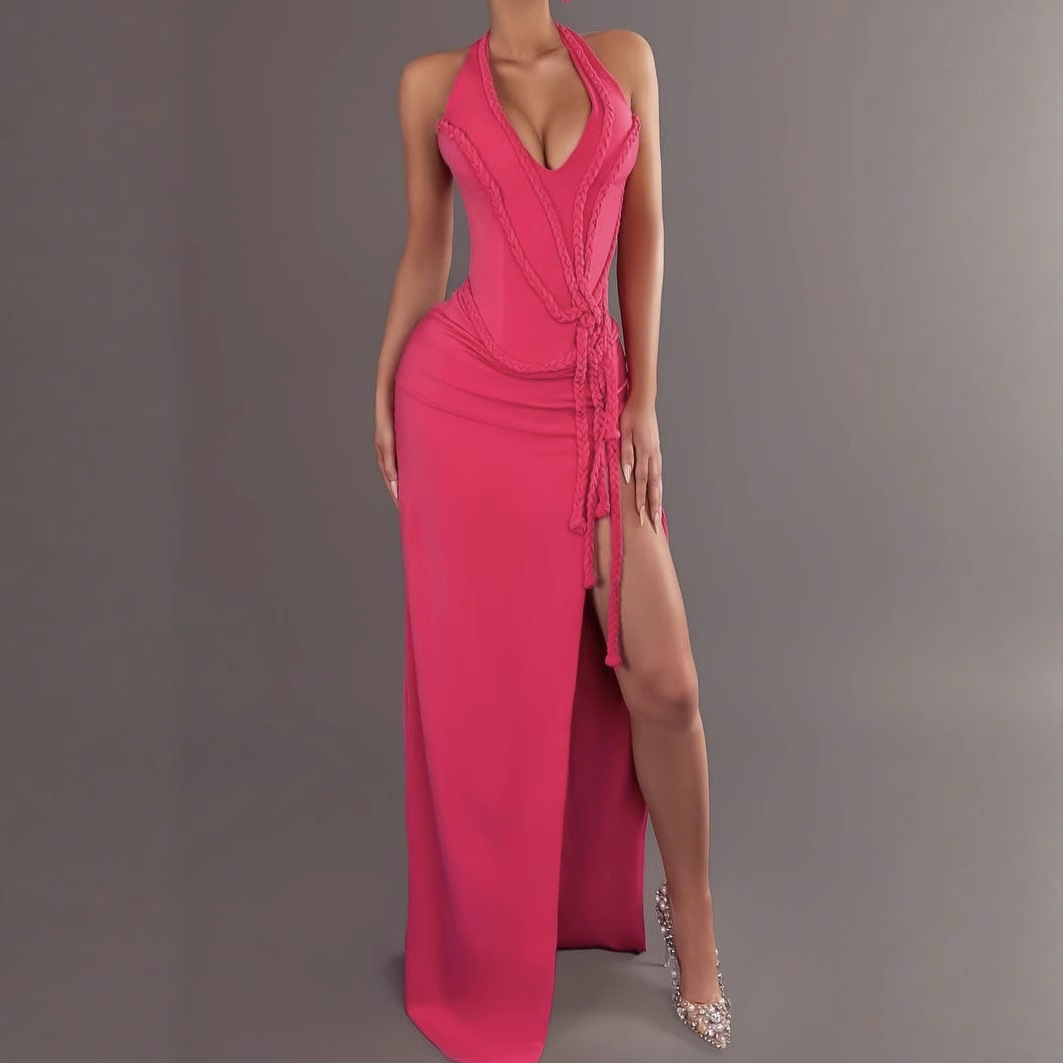
The Roxane Party Hollow Out Backless Long Bandage Dress brings balanced proportion and clean silhouette lines to everyday and occasion styling.
For a dinner date, where you want polish without looking overdressed, satin in a restrained cut works better than satin with heavy embellishment. Our piece on what to wear to a dinner date covers how to keep the look relaxed rather than rehearsed.
Weddings, Garden Parties and Daytime Celebrations
Chiffon tends to suit celebrations held outdoors or in daylight. Its softness photographs gently, and its lightness helps when the event involves standing, walking across grass or moving between indoor and outdoor spaces. Layered chiffon skirts also hold their own in a breeze without looking dishevelled, since movement is part of the design.
If the venue is air-conditioned and formal, satin may feel more appropriate. If the ceremony is outside and the afternoon is warm, chiffon often feels easier to wear for the duration.
Graduations, Work Events and Everyday Dressing
Cotton comes into its own where comfort and practicality outweigh drama. A graduation ceremony, for instance, often involves long periods of sitting, queueing and standing in unpredictable weather. Our guide on what to wear to a graduation ceremony as a guest goes into the practical side of that kind of day, and a breathable, matte fabric solves many of the problems it raises.
Weather, Climate and How Long You Will Be Wearing It
The same dress can feel perfect for one hour and uncomfortable by the fourth. Thinking in terms of duration and temperature saves more outfits than any colour decision does.
Warm Weather and Humid Climates
Cotton is widely associated with breathability, which is why it remains a default for hot days. Chiffon is also light, and because it is so thin it tends to feel airy, although linings and layers add warmth you should account for. Satin made from synthetic fibres can feel warmer and less breathable than natural fabrics, so in high heat it is worth checking the fibre content on the product page before committing to a fitted satin silhouette.
Cooler Weather and Layering
Satin and cotton both layer more easily than chiffon beneath a coat or jacket, because chiffon’s delicate surface can catch on rougher outer fabrics. If your outfit will sit under outerwear, a structured topper pairs well with a fluid dress, and our jackets and coats collection is a good place to look for something that sharpens a soft silhouette without overwhelming it.
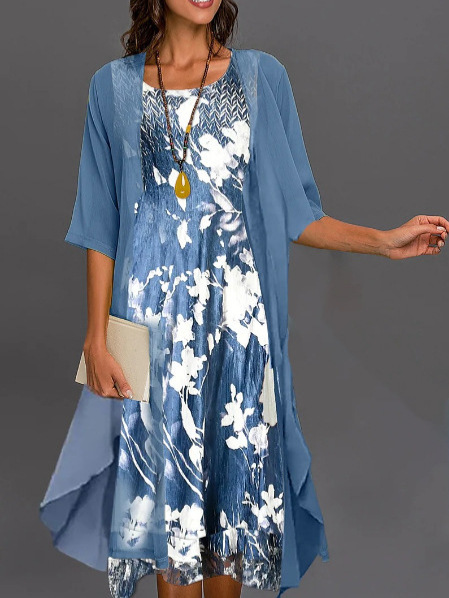
Fluid fabrics reward events where you will be moving, not standing still.
Long Days, Travel and Wrinkle Tolerance
If a dress needs to survive a car ride, a flight or an eight-hour event, creasing becomes a real consideration. Cotton often wrinkles more visibly. Satin shows creases sharply because of its sheen. Chiffon tends to hide minor creasing in its folds and ripples, although it can become limp or crumpled if packed tightly. Whatever the fabric, check the garment label for care guidance; the Federal Trade Commission explains how textile and care labelling requirements work, which helps you read what a label is actually telling you.
How Each Fabric Interacts With Your Shape and Proportions
Fabric is not neutral about the body. Weight, stiffness and sheen all influence how a silhouette reads, which means two dresses with identical cuts can look entirely different depending on what they are made of.
Satin and the Importance of Cut
Because satin follows the line beneath it, the quality of the cut matters more than with almost any other fabric. A bias-cut or fitted satin dress highlights every curve, while a structured satin with seams, darts or a lined bodice smooths the silhouette. If you prefer a less body-conscious line, look for satin in an A-line, wrap or gently flared cut rather than a clingy slip shape.
Chiffon and the Art of Softening
Chiffon softens edges. Layered skirts, gathered waists and flutter sleeves create volume without adding weight, which can be flattering if you want to balance proportions without fitting every area closely. The challenge is that very sheer chiffon can float away from the body in a way that reads as shapeless, so definition at the waist or neckline helps give the outfit a clear structure.
If you like a defined waist beneath a floaty fabric, look for a design that cinches at the middle. The Marine Dress with a Fitted Skirt and a Middle shows how a fitted line and a softer element can share the same silhouette, which is useful to study even if you are comparing fabrics rather than shopping for this exact piece.
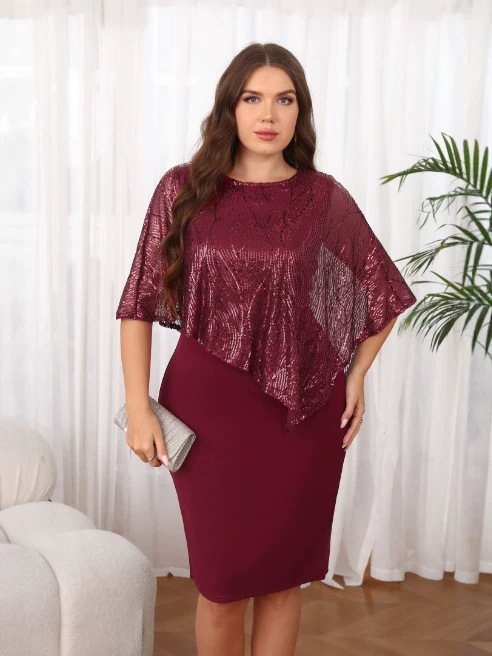
Waist definition keeps a softer silhouette from losing its shape.
Cotton and Structure
Cotton holds a shape. A fitted bodice stays fitted, a full skirt keeps its volume, and a straight cut retains its line through the day. That makes it a dependable choice if you want clean architecture in a dress without relying on stretch or heavy lining.
Where cotton can disappoint is in formal contexts that rely on a luminous or fluid finish. A matte cotton dress can look polished in the right cut and styling, but it rarely mimics the glamour of a sheen-rich fabric.
Reading a Product Page Like a Fabric Detective
Shopping online means you cannot feel the fabric, so you have to read around it. A few habits close the gap between what you see in the photo and what arrives at your door.
What to Check Before You Order
- Fabric and fibre content: Look for the stated material, since “satin” describes a weave and does not tell you whether the fibre is silk or a synthetic.
- Lining information: Check whether the dress is described as lined, especially for chiffon and lighter fabrics.
- Size chart and measurements: Fabric with no stretch needs more precise sizing than fabric with give. Our guide on how to read an online clothing size chart walks through exactly how to compare your measurements against a chart.
- Photographs in different lights: Look at how the fabric catches light and moves in motion if images or video are available.
- Care instructions: Note whether the dress is machine washable, hand wash only or dry clean, since that affects how often you will actually wear it.
When the Description Is Short
If a product page does not spell out every detail, treat the silhouette, the visible folds and the photographed drape as clues rather than guarantees. A dress that looks fluid and layered in the image probably behaves that way, but anything beyond what is written is an inference. If you are unsure, our customer support and size guidance page is the right place to ask before you order, and the delivery and returns policy explains what happens if the fabric is not what you expected.
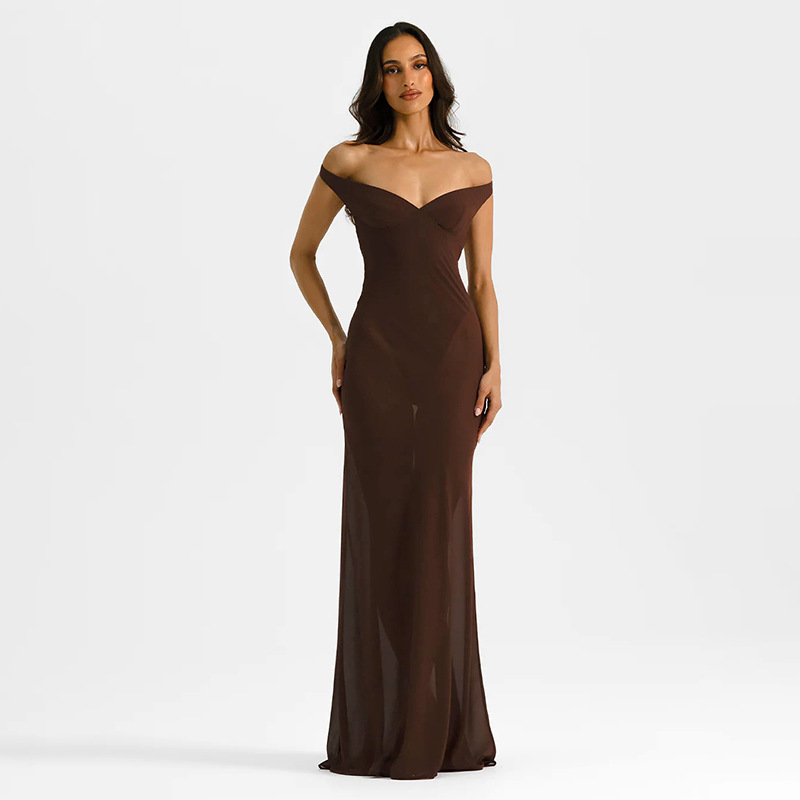
The Mathilde Elegant Off Shoulder Patchwork Dress brings balanced proportion and clean silhouette lines to everyday and occasion styling.
Real Outfit Scenarios: Choosing Between Two Dresses You Love
Abstract rules help, but most decisions come down to a specific event and a specific shortlist. These scenarios show how to reason through the choice.
The Evening Event With Lots of Standing
If the evening involves standing, mingling and moving through a room, a fluid fabric helps you feel unrestricted. Chiffon layers or a satin skirt with some room in the cut tend to suit this better than a rigid or very clingy silhouette. For something with a lace and print combination rather than a plain fabric, the Odette Sleeveless Leopard Print Lace Dress is an example of how texture and pattern can carry a look when the fabric itself is not the only focus.

Pattern and texture can make a statement when you want less reliance on sheen.
The Formal Dinner Where You Want Something Fitted
When the aim is a close, sculpted line, a structured fabric with some body to it keeps the silhouette crisp. A column or bodycon style in a stretch-friendly material gives definition without needing excessive seaming. The Roxane Party Hollow Out Backless Long Bandage Dress shows the kind of fitted, evening-driven cut that benefits from a fabric chosen deliberately.
The Day Event With Unpredictable Weather
When the forecast is uncertain, favour fabrics that tolerate a layer and recover from creasing. A dress that works with a jacket, flats or heels gives you more flexibility than one that only works under perfect conditions. For something with a clean graphic structure that suits daytime and transitions to evening, the Capucine Black White Color Block Sleeveless Dress demonstrates how bold blocking can add interest without relying on a delicate surface.
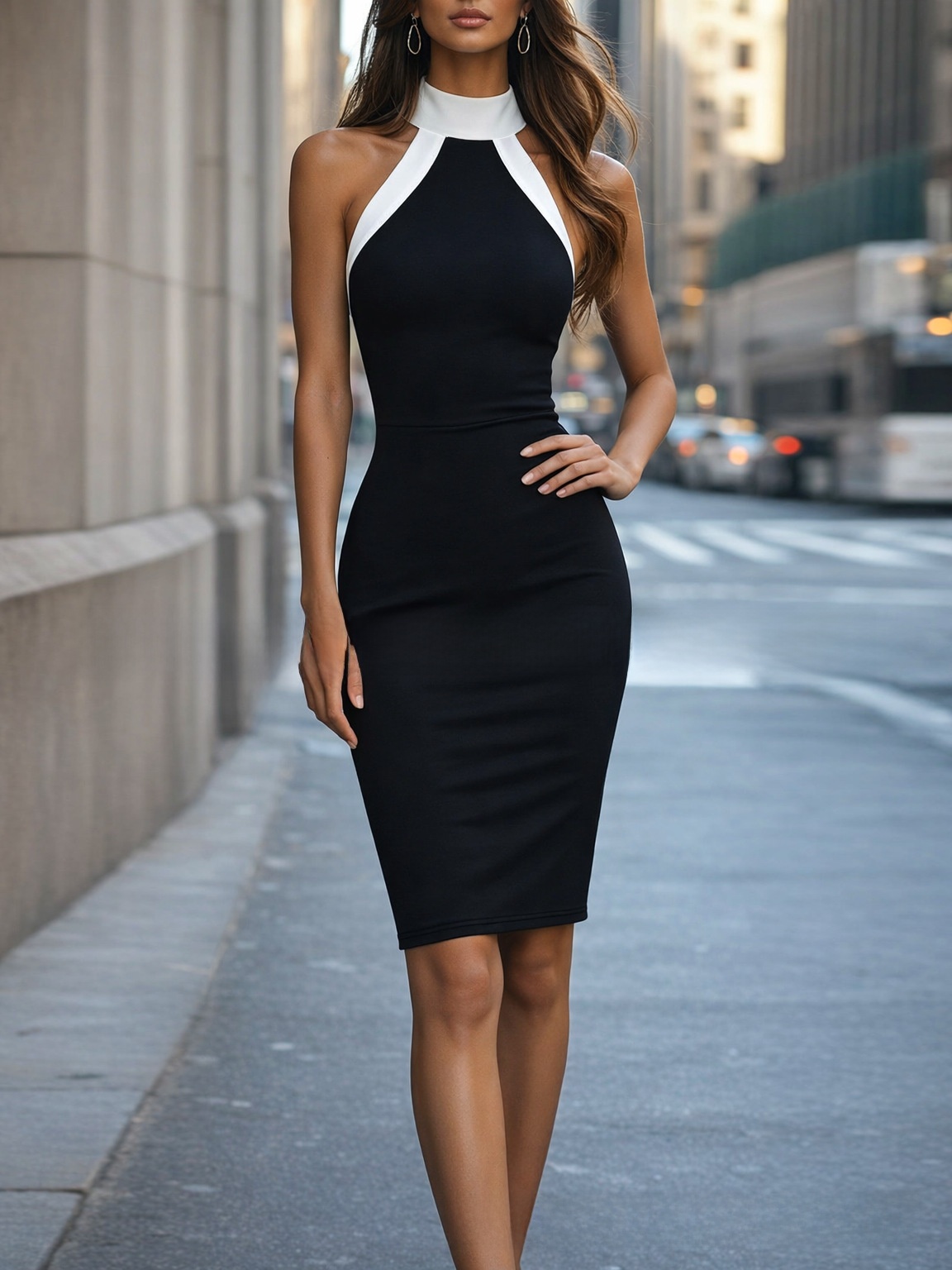
A graphic cut can carry a look from afternoon to evening.
The Dress You Want to Wear Many Times
If cost-per-wear is on your mind, think about how often a fabric will actually fit your life. A dress you can wear to dinner, a celebration and a weekend lunch earns more than one you save for a single occasion. When a style works across several settings, it often outperforms a more dramatic piece in actual use. Browse our women’s dresses collection to compare cuts and silhouettes side by side, or look through the best sellers to see what other shoppers are choosing most often.
Caring for Each Fabric So the Dress Lasts
The right fabric choice can be undone by poor care. A little attention keeps a good dress looking the way it did when you first tried it on.
Satin and Chiffon Care Basics
Both fabrics prefer gentle handling. Always follow the care label first, since synthetic and silk versions can differ. As a general approach, avoid wringing, high heat and abrasive surfaces, since all three can damage a smooth or delicate finish. Store them hung or loosely folded so they are not pressed into hard creases.
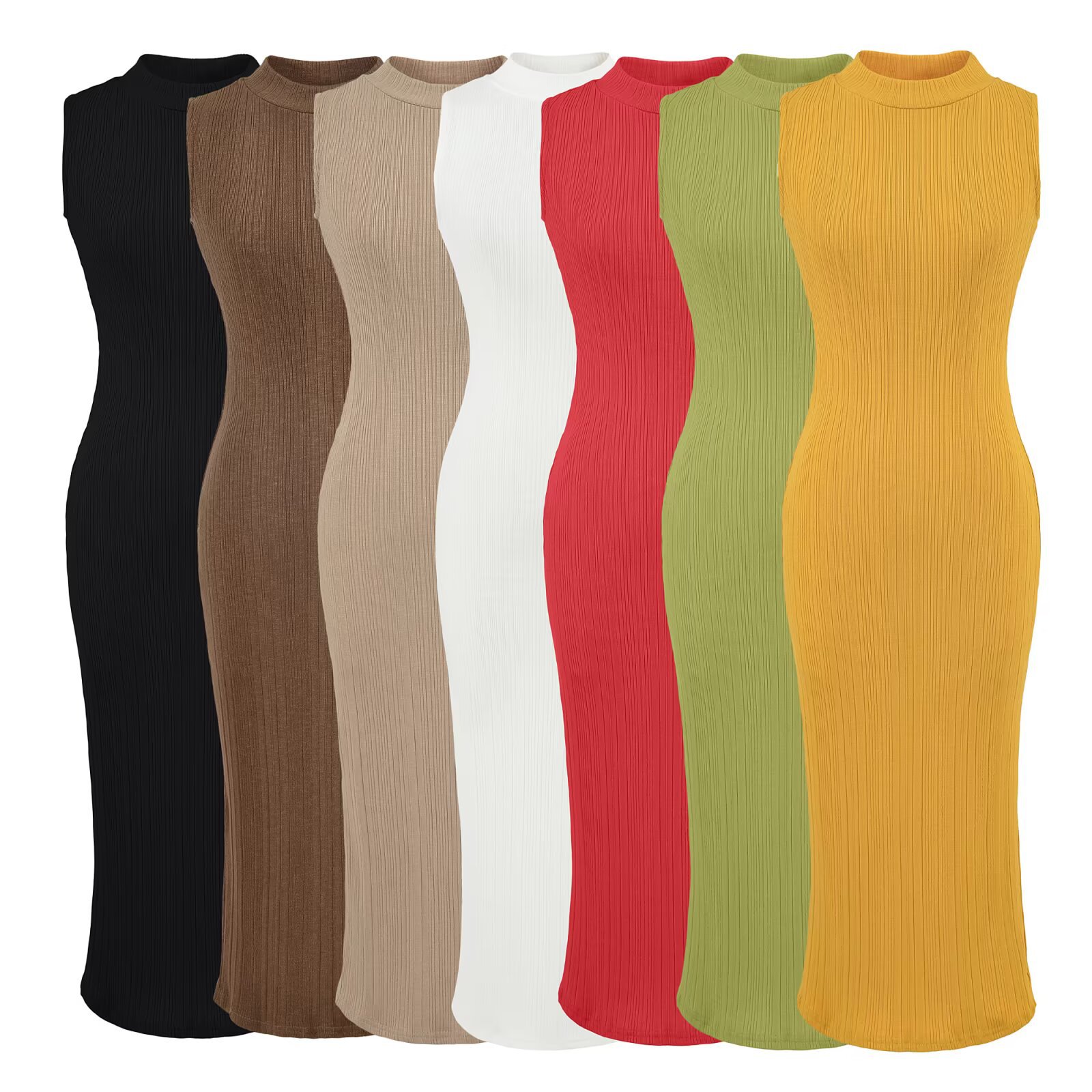
The Gaia Small Round Neck Elastic Slim Fit Waist Slit Dress brings balanced proportion and clean silhouette lines to everyday and occasion styling.
Cotton Care Basics
Cotton is generally more forgiving, but the label still rules. Cotton can shrink or lose its shape if it is washed or dried at the wrong temperature, so follow the instructions and consider steaming or ironing while the fabric is slightly damp to remove creases more easily.
For deeper background on how garments are made, preserved and studied, the Victoria and Albert Museum’s fashion collection offers a useful look at how fabric and construction shape the way clothing hangs and endures.
The Styling Takeaway
Choose satin when you want an evening-ready line with sheen, chiffon when you want softness and movement for celebrations and warm days, and cotton when comfort, structure and everyday wearability come first. Before you order, check the fibre content, lining details, size chart and care label, then decide where and how long you will be wearing the dress. If you are building a shortlist, start with the women’s dresses collection and compare silhouettes against your next occasion.