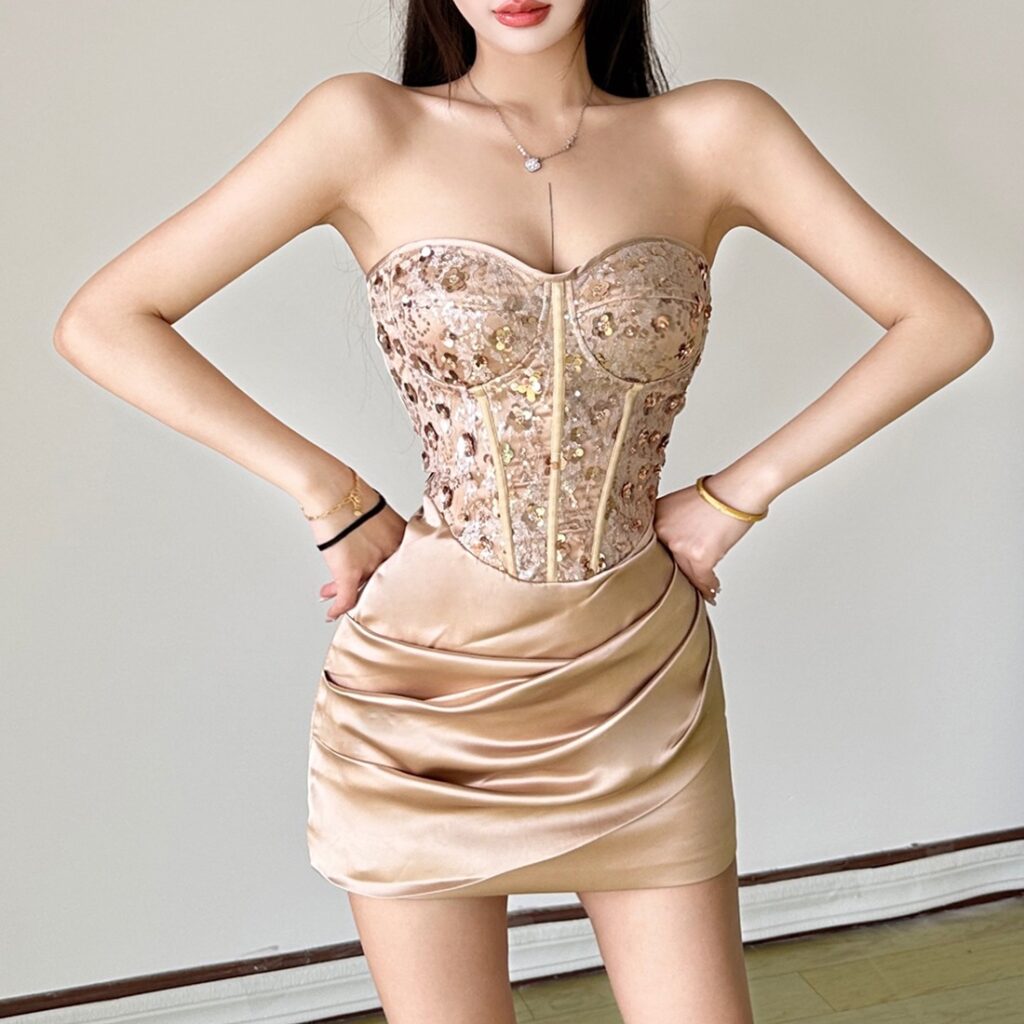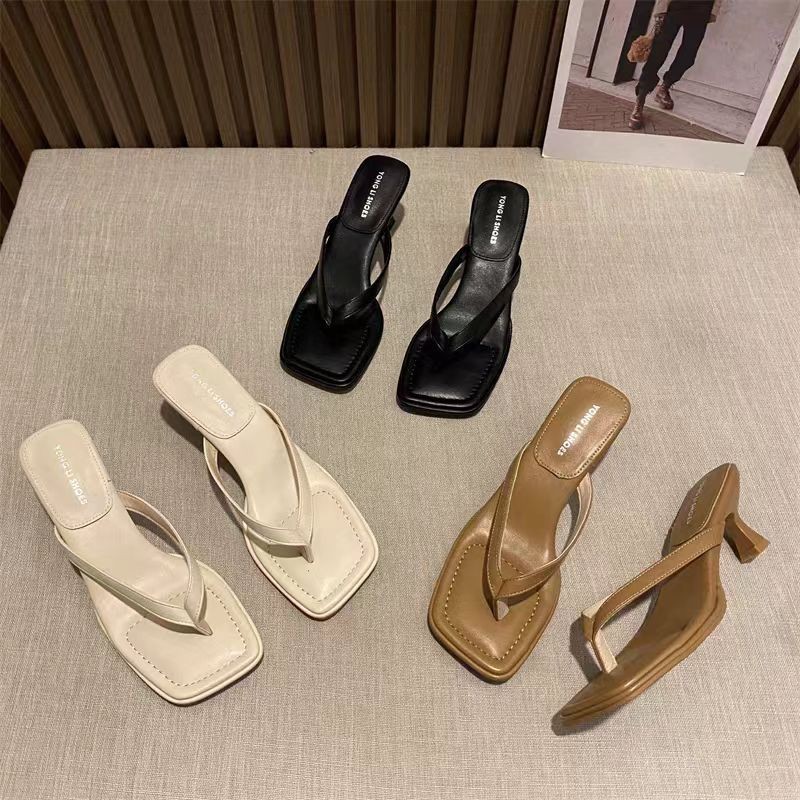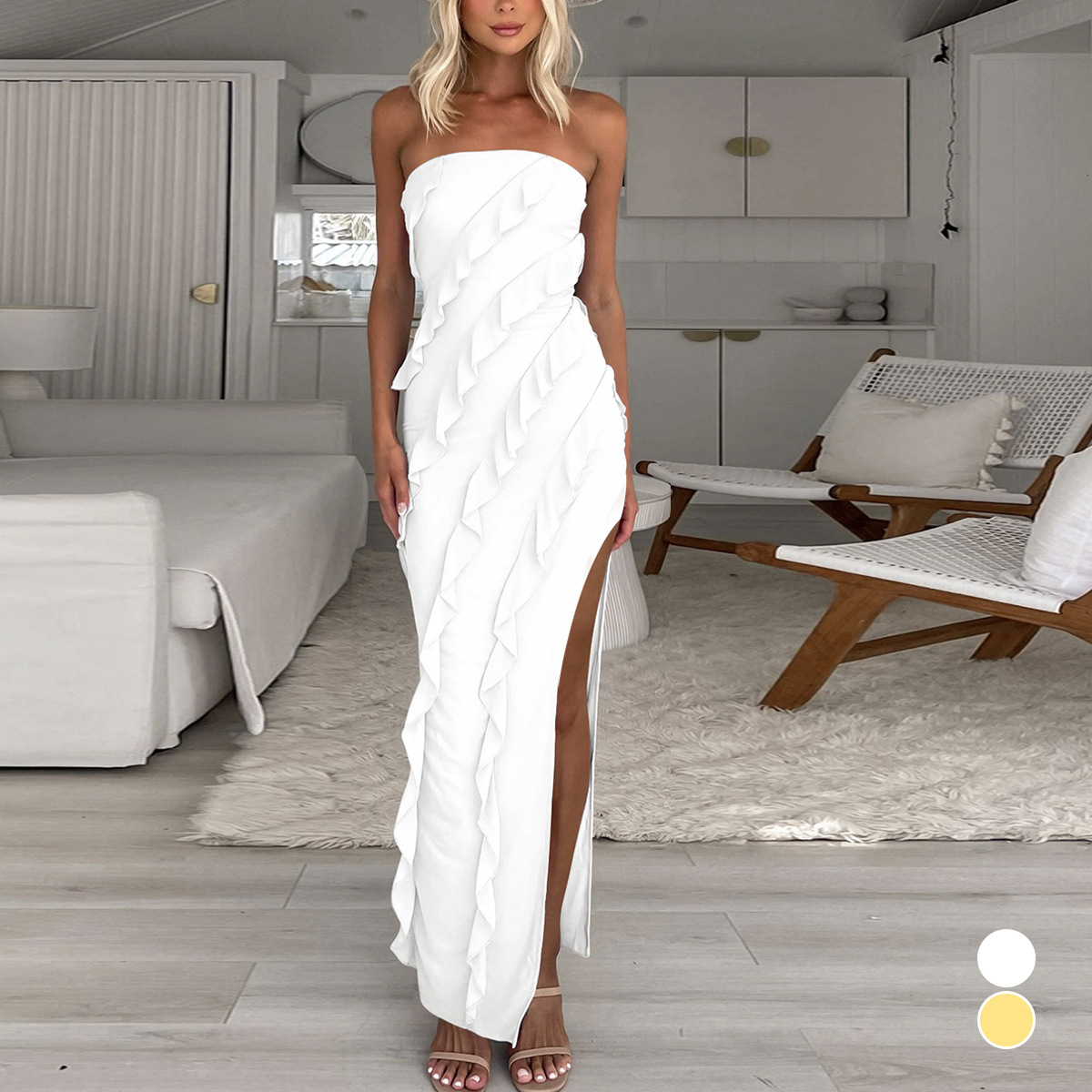
The short answer: you avoid regret online by deciding what a garment must do for you before you look at how it photographs. Most disappointing purchases are not bad clothes; they are good-looking clothes that were never matched to a real occasion, a real body, or the rest of a real wardrobe. Shopping well on a screen is a skill of translation, turning flat images and brief descriptions into an honest forecast of how a piece will fit, move and pair with what you already own.
That forecast is easier to make than it sounds, provided you know what to look for and which details deserve more suspicion than others. The sections below walk through the process in the order that tends to prevent mistakes: defining the job of the garment, reading the product page properly, judging fit and proportion from the information given, interpreting fabric clues, testing the purchase against your wardrobe, and managing the practical safety net of returns.
Start With the Job the Garment Needs to Do
Regret often begins before a single product page is opened. A dress bought “because it was lovely” has no assignment, so it either gets worn once or hangs untouched. A dress bought for a specific purpose, such as a wedding guest outfit or a dinner that calls for something polished, has a standard to meet, and that standard makes every later decision easier.
Write the brief in one sentence: what is this for, how often will I wear it, and what will it sit alongside? “A dress for spring weddings that I can also wear to dinners” is a useful brief. “Something nice” is not. The first version tells you to look for a silhouette that photographs well but also travels, a neckline that works with a jacket, and a length that suits the shoes you already have.
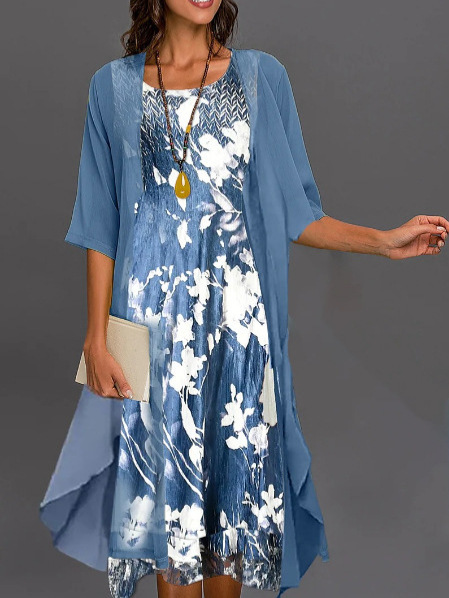
A clear brief, such as an occasion dress that can repeat, makes a piece like the Isaline chiffon dress easier to judge.
Test the Brief Against Your Calendar
Look at the next three months of your actual life, not the aspirational version. If your diary holds two dinners, one family celebration and a lot of ordinary weekdays, a heavily embellished gown is a poor use of budget, however beautiful it is. A dress that can be worn to dinner and, with different shoes and a jacket, to a daytime event is a stronger candidate. Our guide to dress ideas for a dinner date shows how much range a single well-chosen piece can have.
Set Your Non-Negotiables Early
Decide two or three conditions a purchase must satisfy: a neckline you are comfortable in, a length that suits your usual heel height, a care routine you will actually follow. Treat these as filters rather than preferences. When a piece fails one of them, the fact that it is attractive stops being relevant. This single habit removes a large share of impulse buys.
Read the Product Page Like a Detective
A product page is a small dossier. Photographs are the most persuasive part and the least informative, so give the text and the measurements as much attention as the images. Start with the title and description to confirm the basic structure of the garment: neckline, sleeve type, length, closure and any distinctive feature such as a slit, an off-the-shoulder line or a colour-blocked panel.
Then read what is absent. If the page tells you the neckline and length but says nothing about stretch, lining or fabric, treat those as open questions rather than assuming the best. Reasonable assumptions are how people end up with a dress that clings in places they did not expect. If something matters to you and the page does not state it, ask before ordering. Larose Couture’s FAQ and customer support page is the sensible first stop for sizing and product questions.
Look at Every Photograph for a Different Reason
Use each image for a separate purpose. The full-length front shot shows silhouette and proportion. The back view reveals closures, cut-outs and how the garment sits across the shoulders. Close-ups show print scale, seam placement and surface texture. If a page offers only one flattering angle, that is information too: you are being asked to buy on a partial view.
Remember That Styling Is Doing Work
Product photography is styled to flatter. Clips, pins and careful posing can change how a garment appears, and lighting can alter how a colour reads. This is not a reason for cynicism, only a reminder to separate what the garment is from how it has been presented. Ask what the piece would look like on an ordinary Tuesday, under ordinary light, with your own shoes.
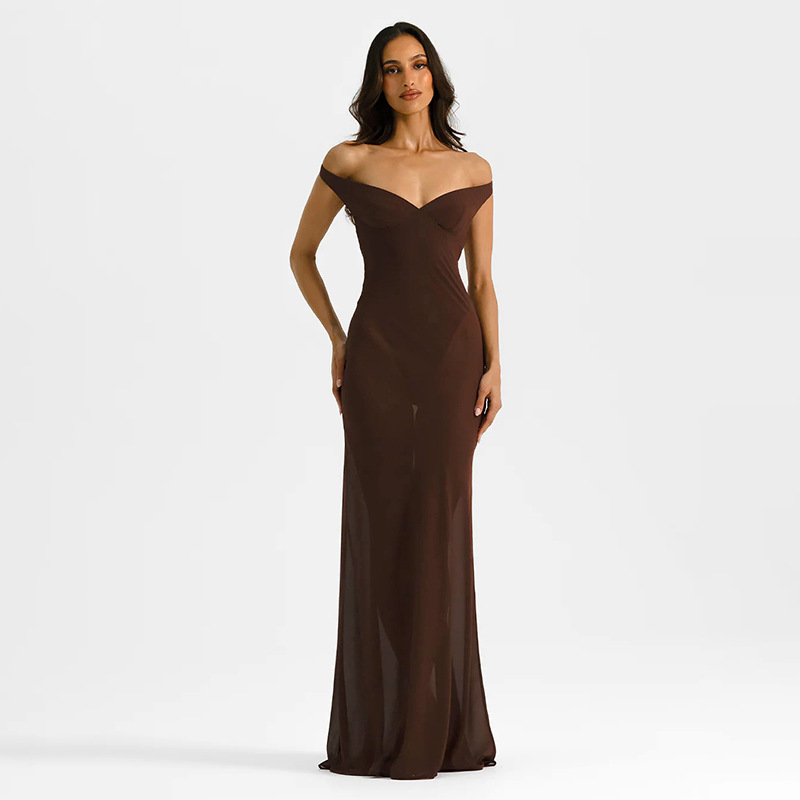
A distinctive neckline, like the one on the Mathilde off shoulder patchwork dress, is worth studying from every angle before you order.
Translate Measurements and Proportion Into Real Fit
Size labels are a rough guide at best, because brands cut differently and the same number can mean different things. Your own measurements are the more reliable currency. Take your bust, waist and hip measurements with a soft tape, record them, and compare them with the size chart on each product page rather than relying on the size you usually buy.
Beyond the numbers, think in terms of proportion. Where a garment ends relative to your body shapes the whole outfit. A hem that sits at the widest part of the calf reads differently from one that lands just below the knee. A waistline placed higher or lower than yours changes the apparent length of the torso. These are not rules about what is permitted; they are variables you can predict if you look carefully at the model’s styling and compare it with your own frame.
Use the Model Information Sensibly
If a page lists the model’s height and the size she is wearing, use it as a comparison point, not a promise. If you are noticeably taller or shorter, estimate how hem length and waist position will shift. A dress that reaches the ankle on a tall model may sit higher on you, and a fitted waist may fall in a different place. Doing this arithmetic in advance takes a minute and can prevent a return.
Decide How You Like Clothes to Fit
Some people want a close, defined fit; others prefer ease. If you are between sizes, your preference decides the answer more than the chart does. For a fitted style such as the Gaia small round neck slim fit waist slit dress, think about whether you want the cut to sit close or to have breathing room, and check the size chart carefully against your measurements. For a style with a defined waist and fuller skirt, such as the Marine dress, pay attention to how the shape would sit across your own waist and hips.
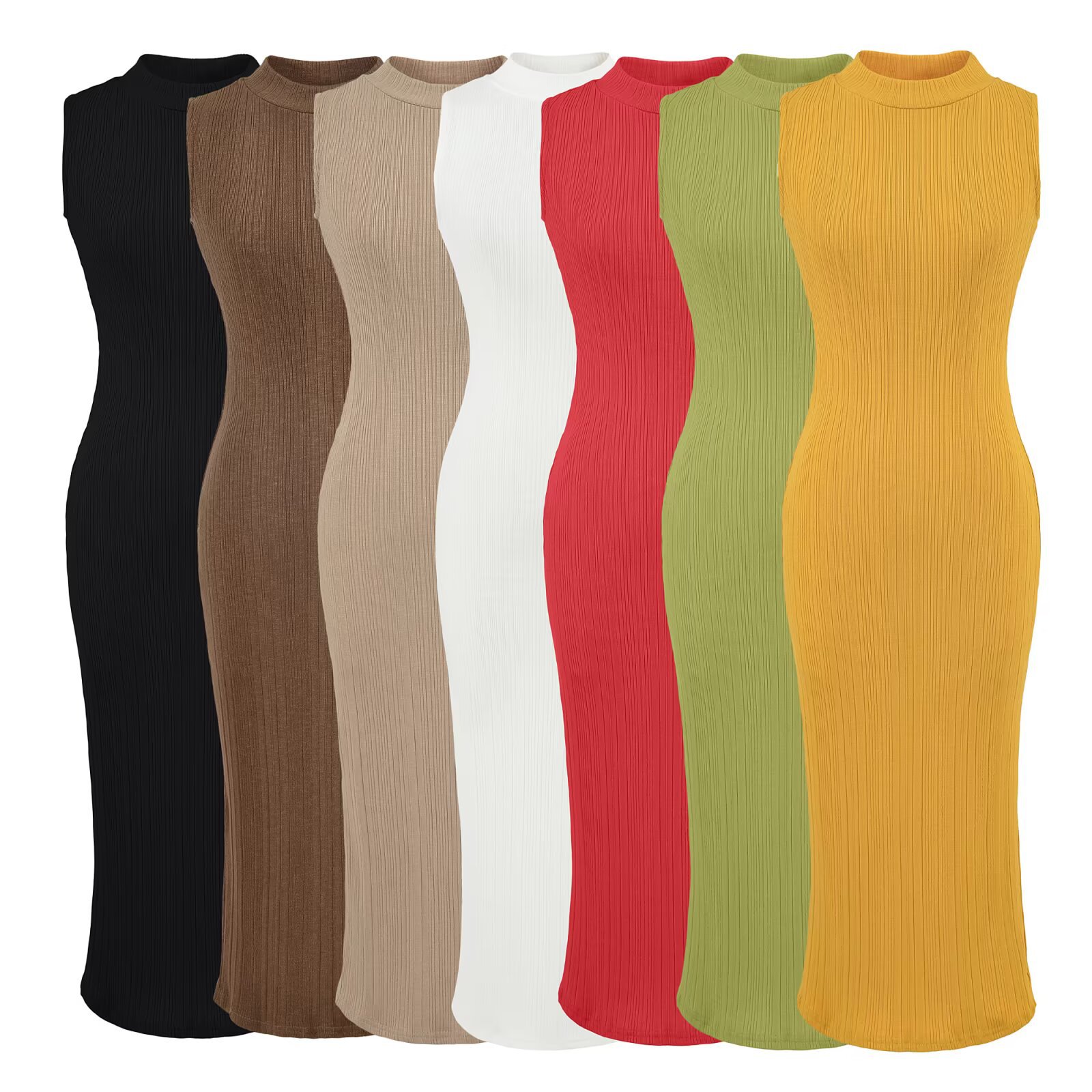
A close silhouette rewards a careful comparison between your measurements and the size chart.
Decode Fabric Clues Without Overreading Them
Fabric decides how a garment drapes, wrinkles, breathes and ages, yet it is the detail shoppers most often skip. When a product page lists a fibre or fabric type, use it. When it does not, avoid inventing a texture from the photograph. Light, flowing garments tend to move differently from structured ones, and you can often see that in how the fabric falls, but appearances can mislead, so treat a visual impression as a hypothesis rather than a fact.
Care instructions matter as much as composition. A garment you love but cannot be bothered to look after will end up unworn. Learning to read standard care symbols helps here, and the US Federal Trade Commission publishes a clear explanation of textile labelling requirements and care information that explains what labels are meant to tell you.
Think About Season and Layering
Even without detailed fabric data, you can reason about the occasion and climate you will wear a piece in. A sleeveless or off-the-shoulder style will probably need a layer in cooler weather, so consider whether you own a jacket that works. Our guide to choosing a jacket that works with dresses and jeans is useful for planning the layer before the dress arrives, and the jackets and coats collection offers a place to compare options.
Treat Print and Colour With Care
Prints and colours are the elements most likely to differ between screen and reality. A bold pattern such as the Odette sleeveless leopard print lace dress depends on scale and contrast, so look closely at the close-up images to judge how large the pattern is. For colour, remember that screens vary, and decide whether a slight shift in shade would still suit your skin tone and the pieces you plan to pair it with.

With a statement print, scale and contrast matter as much as the cut.
Run the Wardrobe Test Before You Check Out
This is the step that prevents the quiet, slow kind of regret: the garment that fits perfectly and still never gets worn because nothing else you own works with it. Before paying, name at least three outfits you could build immediately, using items already in your wardrobe. If you cannot, ask whether the purchase also needs a second purchase to make sense, and whether you are willing to buy it.
Include shoes and outerwear in the test. A dress that needs a specific heel, a specific bag and a specific jacket is a project, not an easy win. Our piece on what shoes to wear with a maxi dress is a reminder of how much footwear changes the character of one garment, which is worth keeping in mind when you are deciding what you can already pair it with.
Apply a Simple Wear-Count Check
Ask how many times you realistically expect to wear the piece in the next year. A dramatic evening dress may earn its place with a handful of wears; a versatile everyday piece should earn many more. Neither is wrong, but the comparison clarifies whether the price and effort fit the use. For the evening end of the spectrum, a bolder piece such as the Roxane party hollow out backless long bandage dress is a deliberate choice for specific occasions, and it helps to be honest about that.
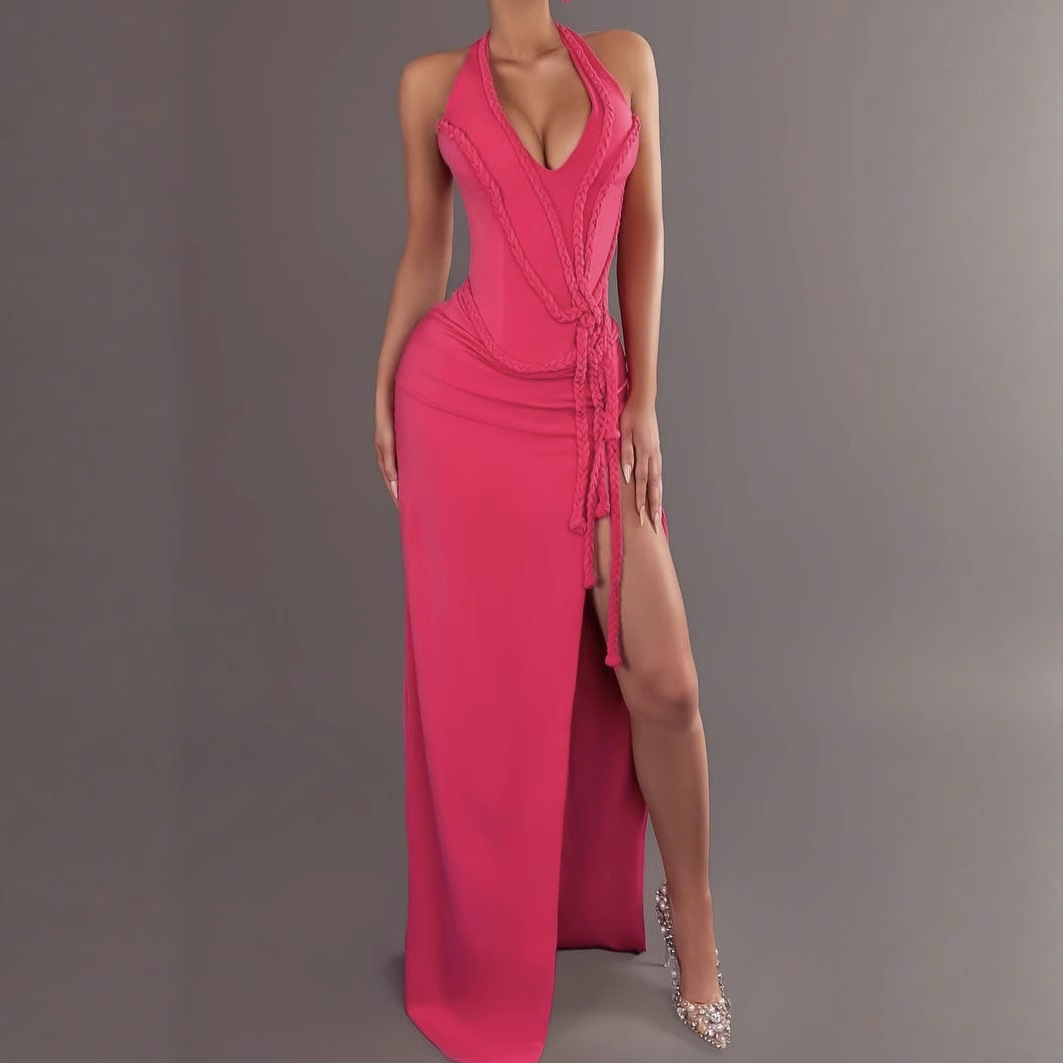
An evening piece is a deliberate purchase; knowing its occasion in advance is the point.
Beware the Sale-Price Illusion
A discount does not make an unsuitable garment suitable. Judge a piece at the price you would be willing to pay if it were not reduced, then treat any markdown as a bonus. This habit protects you from filling a wardrobe with bargains that never leave the hanger.
Use Returns and Waiting as Part of the Strategy
A returns policy is a safety net, not a licence to order carelessly. Read it before purchasing: check the return window, the condition clothes must be in, and any costs involved. Larose Couture sets out its terms on the delivery and returns page, and it is worth reading before you place an order rather than after something arrives that does not suit you.
When a garment arrives, try it on promptly and properly. Wear the shoes you planned to wear, move, sit, raise your arms and walk across the room. Judge it in daylight as well as indoors. If you are undecided, wear it around the house for an evening; second thoughts that survive an hour are usually worth heeding.
Build a Short Waiting Habit
A 24-hour pause before ordering filters impulse remarkably well. Put the item in your basket, leave it, and return with the brief from the start of this article. If the garment still meets it, buy with confidence. If your enthusiasm has faded, you have just saved yourself a return. You can browse the women’s dresses collection at leisure and shortlist rather than purchase on the first visit.
Keep a Short Record of What Worked
Note the brands, cuts and measurements that have suited you, along with the ones that have not. After a few purchases, a pattern emerges: certain necklines work, certain lengths disappoint, certain fits consistently feel right. That personal data is more valuable than any general rule, and it makes every future online purchase faster and more accurate. A piece you can reliably place within that record, such as the Capucine black white color block sleeveless dress, becomes much easier to evaluate against your own history.
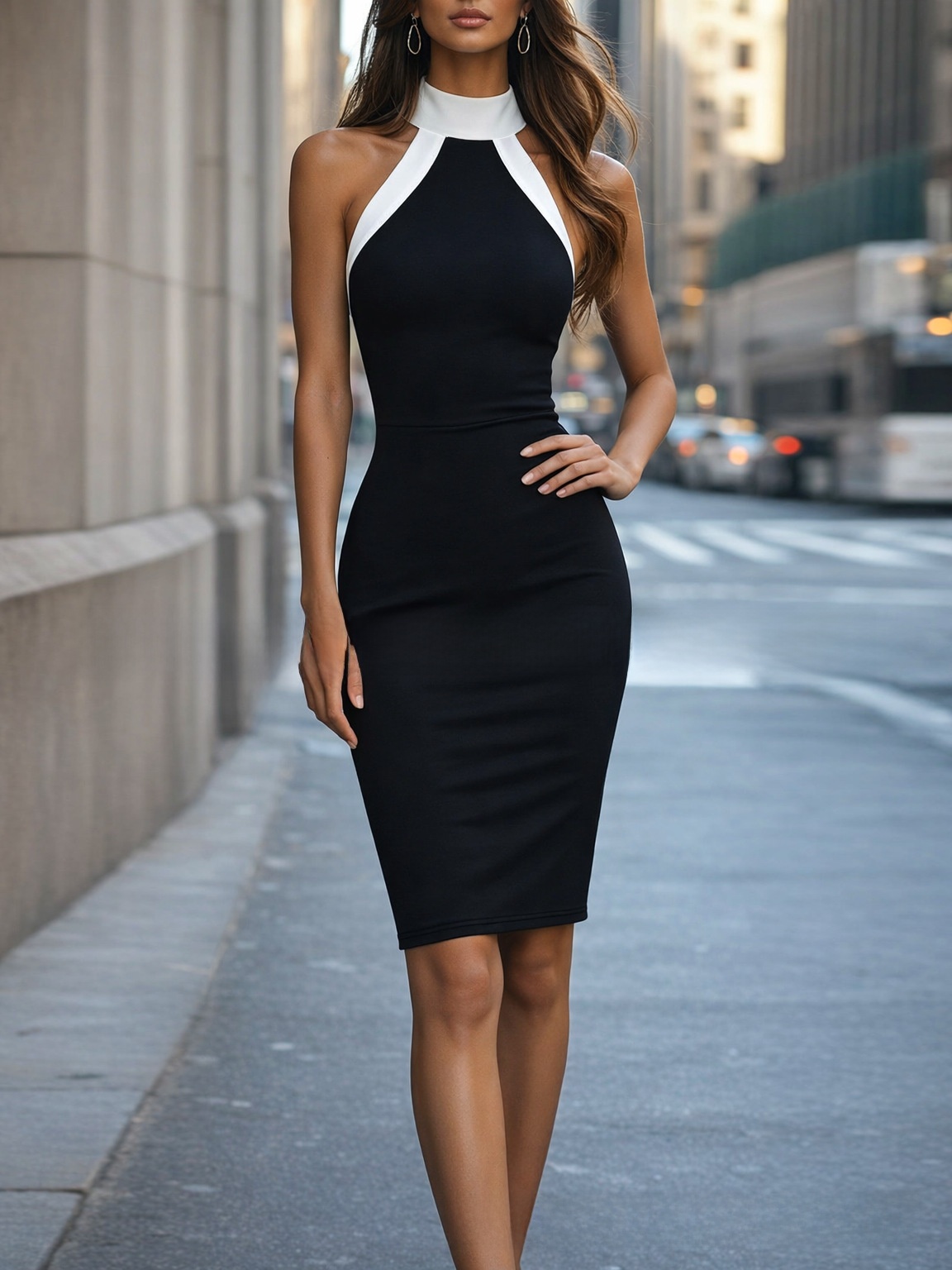
Graphic colour blocking is easy to assess when you already know which cuts suit you.
The Styling Takeaway
Shopping online without regret comes down to a repeatable routine: define the job, read the page properly, compare measurements rather than labels, interpret fabric honestly, test the piece against your wardrobe, and use returns as a backstop rather than a plan. Your next step is simple: before your next order, write a one-sentence brief for the garment, then browse the Larose Couture boutique with that brief in hand and shortlist only the pieces that meet it.