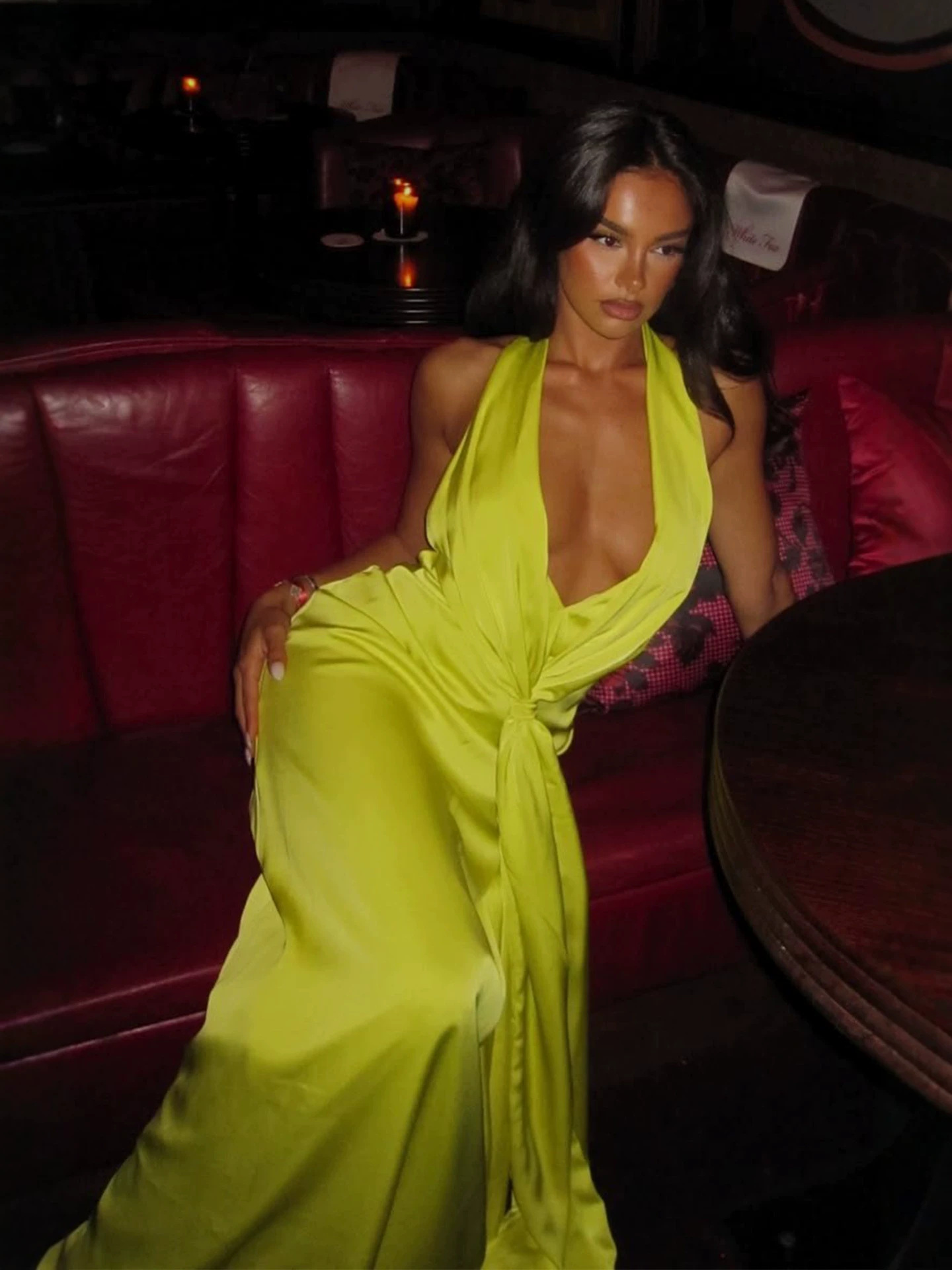
The fastest way to choose an outfit for a last-minute invitation is to stop browsing your wardrobe and start with three decisions: what the event expects, which silhouette you already trust, and which single detail will finish the look. Make those calls in that order, in under fifteen minutes, and the outfit tends to build itself. Panic dressing usually fails because it begins with the hanger rather than the occasion.
Start With the Invitation, Not the Wardrobe
When an invitation arrives with a day or two of notice, the instinct is to open the wardrobe and hope something announces itself. It rarely does. A better habit is to spend two minutes extracting information from the invitation and the people around it.
Look at the wording first. “Drinks and nibbles” reads differently from “dinner at eight,” and both differ from “come celebrate with us.” The time of day matters as much as the phrasing: an invitation for a late afternoon gathering sits comfortably in polished daywear, while the same event after seven invites a richer fabric or a deeper colour. Then consider the venue. A rooftop bar, a family home, a restaurant with white tablecloths and a gallery opening each carry their own unwritten expectations.
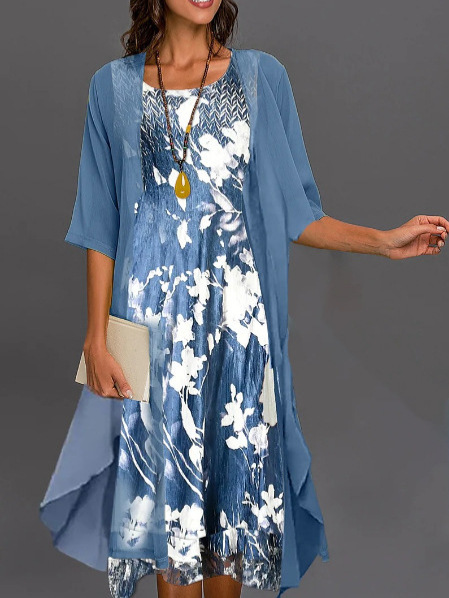
The Anais Fashionable and Elegant Chiffon Dress brings balanced proportion and clean silhouette lines to everyday and occasion styling.
If the details are thin, ask the host one direct question: “Is it dressy or relaxed?” Hosts are almost always glad to be asked, and the answer saves you from the two classic misjudgements, arriving visibly overdressed or visibly underdressed. If you cannot ask, look at who else is attending. A colleague’s leaving drinks and a friend’s engagement dinner may share a date but not a dress code.
Once you have a rough register, name it in a single word: relaxed, polished, dressy or formal. That word becomes your filter. Anything in your wardrobe that does not match it is out of the running, which dramatically shortens the list of options.
Match the Dress Code Level Without Overthinking It
Dress codes are most useful when treated as ranges rather than rules. Each level gives you a floor and a ceiling, and the smart move on short notice is to aim slightly above the floor, because arriving a touch more polished than the room is easier to carry than arriving less so.
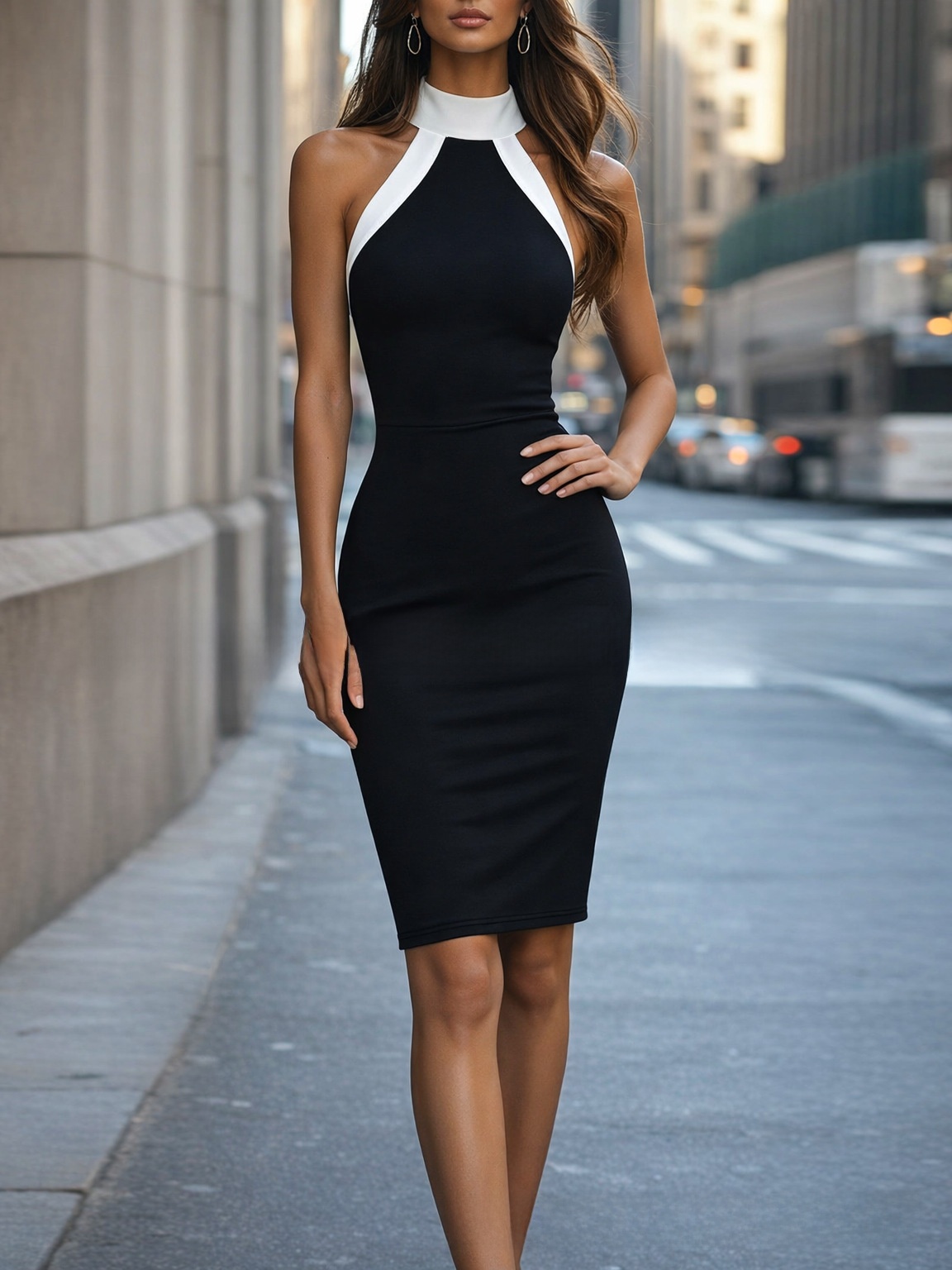
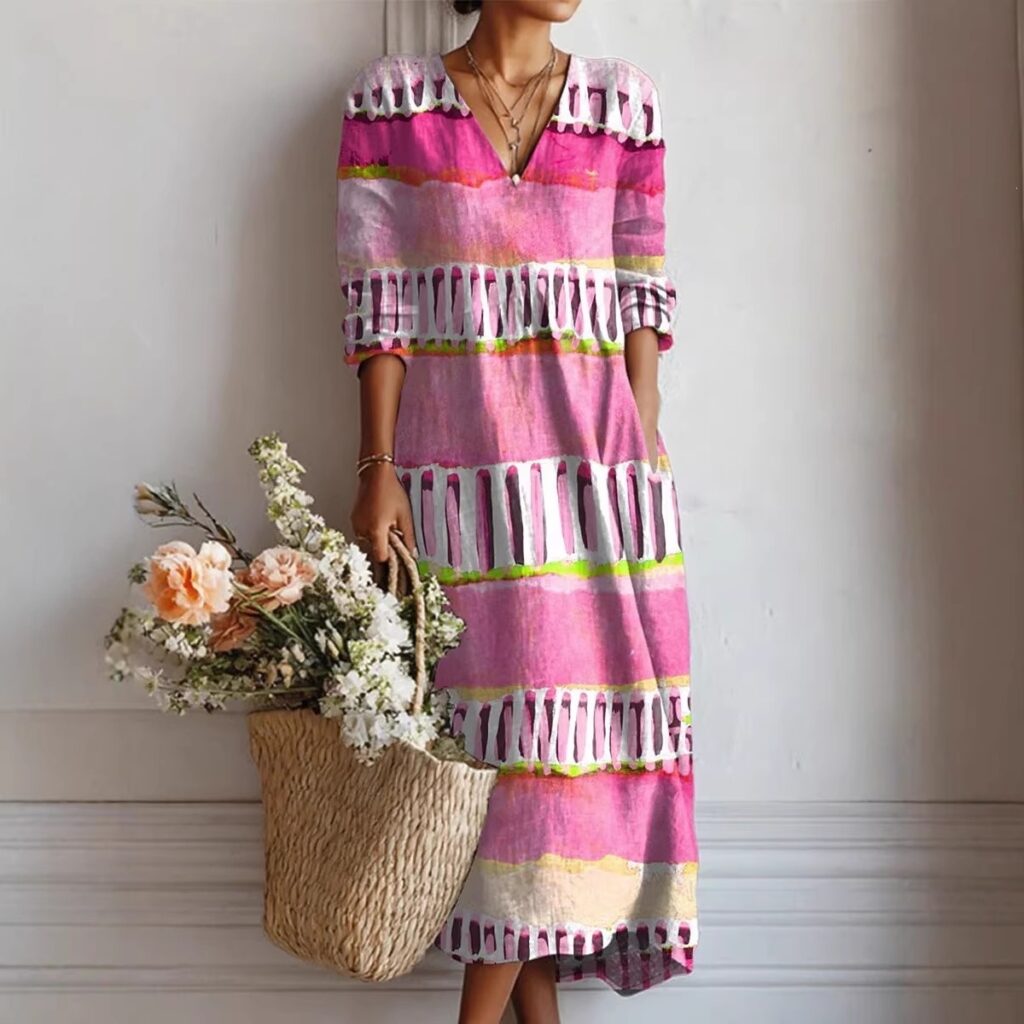
A graphic colour block dress reads as considered with almost no styling effort.
Relaxed and casual gatherings
Think backyard dinners, casual birthday lunches and informal get-togethers. The aim here is looking put together without looking staged. A well-cut dress, tailored trousers with a clean top, or good denim with a structured layer all work. The giveaway of effort is usually in the shoes and the grooming, so even a casual outfit benefits from a deliberate choice rather than whatever was by the door.
Polished and smart casual
This is the most common category for sudden invitations: dinners out, celebrations, networking evenings. A dress with a clear shape, a considered neckline and a finished hem does most of the work. Our women’s dresses collection is organised with exactly this kind of occasion in mind, where one garment needs to carry the whole outfit.
Dressy and cocktail
Cocktail-level invitations reward a richer fabric, a stronger silhouette or a more dramatic colour. This is where a dress with a distinct design feature earns its place, since you can skip elaborate accessories and let the garment speak.
Formal
Formal events on short notice are rare, but a wedding or gala can arrive with little warning. Length, fabric weight and a clean line matter most here. If the event is a wedding, our guide on choosing a wedding guest dress without looking overdressed walks through how to read the room when you cannot see it in advance.
Choose the Silhouette You Already Trust
The most useful rule for last-minute dressing is also the least glamorous: wear the shape that has never let you down. An invitation with a day’s notice is the wrong time to experiment with a proportion you have never tested, because there is no room to correct a surprise in the mirror at 6:40 on the evening itself.
Proportion is the quiet engine of an outfit. Most reliable looks balance volume against structure: something fitted paired with something with movement, or a defined waist set against an open neckline. If you know you feel best with a nipped waist and a skirt that moves, build from there. If you prefer a clean, straight line, look for pieces that keep it. Understanding why a garment sits well is half the battle, and our piece on what makes a dress look well-fitted covers the length, seam and proportion cues worth checking before you commit.
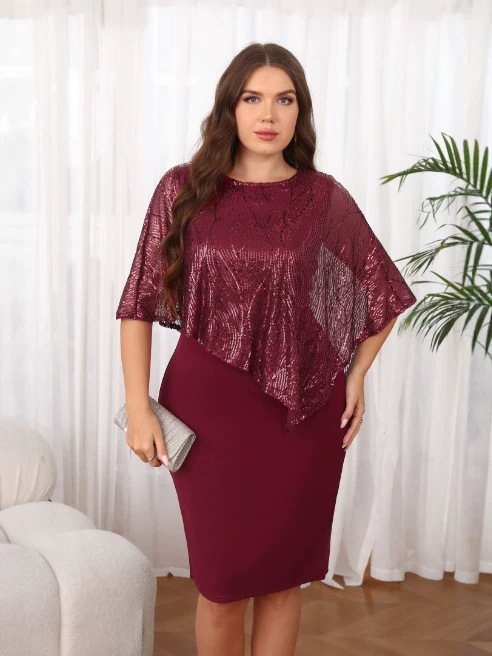
A defined silhouette gives a rushed outfit instant structure.
A dress with a clear architecture, such as The Marine Dress with a Fitted Skirt and a Middle, shows how a garment with its own shape reduces the number of decisions you need to make. When the dress is already doing the structural work, you are left with shoes, a bag and perhaps one accent.
The same logic applies if you are working with separates. Pick one statement element, either the top or the bottom, and keep the other quiet. Two competing focal points is the most common reason a hurried outfit looks unresolved.
Fabric, Fit and Comfort: What to Check Before You Commit
Time pressure makes it tempting to skip the practical checks, and those checks are exactly what separate an outfit you enjoy from one you tolerate. Before you settle, run through four quick tests.
- The sit-down test. Sit, reach for a glass and stand up again. A neckline that gapes or a waist that digs will be obvious within ten minutes of wearing it.
- The movement test. Walk across the room and raise your arms. Slits, sleeves and fitted bodices all behave differently when you move, and you want to learn that at home rather than at the venue.
- The temperature test. Consider the venue and the hour. An outdoor evening may call for a layer even in mild weather, and an overheated room can make a heavy fabric uncomfortable.
- The condition check. Inspect the hem, seams and any fastenings. A loose button or a creased skirt can be fixed in minutes, but only if you find it before you are late.
Fabric choice deserves a brief note on care as well, because a last-minute outfit often means pulling something from the back of the wardrobe. Care labels follow standardised symbols, and the U.S. Federal Trade Commission explains how those textile labelling requirements work, which is helpful when you need to know whether a garment can be steamed, pressed or must be left alone. A quick steam is usually enough for most refreshed looks, but always read the label before applying heat.
Flowing, lightweight fabrics generally travel well and recover from being folded, which is why a dress with soft movement is a dependable choice when you have no time to press anything. For a garment in that spirit, The Isaline Fashionable and Elegant Chiffon Dress is the kind of piece that suits evenings where you want a graceful, fluid line without fuss.
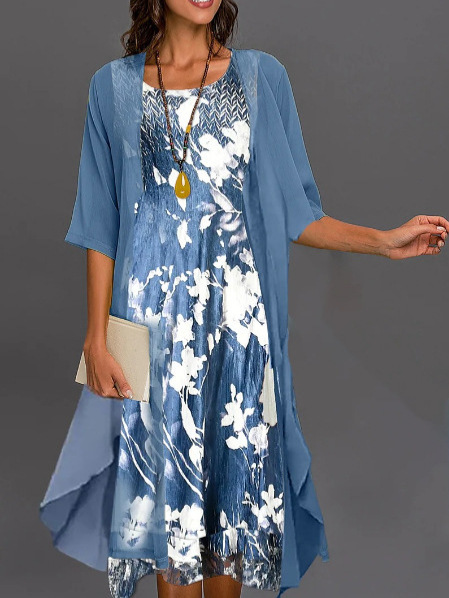
Fluid dresses suit evenings where movement matters as much as shape.
The Ten-Minute Finish: Shoes, Layers and Accessories
Once the main garment is chosen, finishing is where a hurried outfit either comes together or falls apart. The goal is restraint. With limited time, every additional item is another opportunity for a mismatch, so edit rather than add.
Shoes decide the register
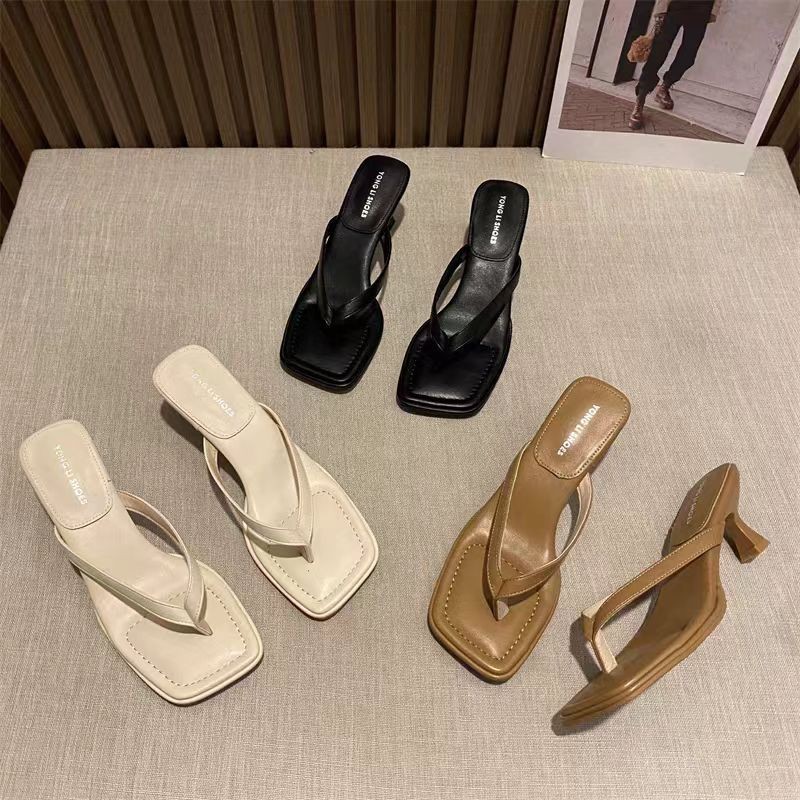
The same dress can read relaxed in flat sandals, polished in a low block heel and dressy in a strappy heel. Choose shoes you can comfortably stand in for the full length of the event, because discomfort shows in posture long before it shows in expression.
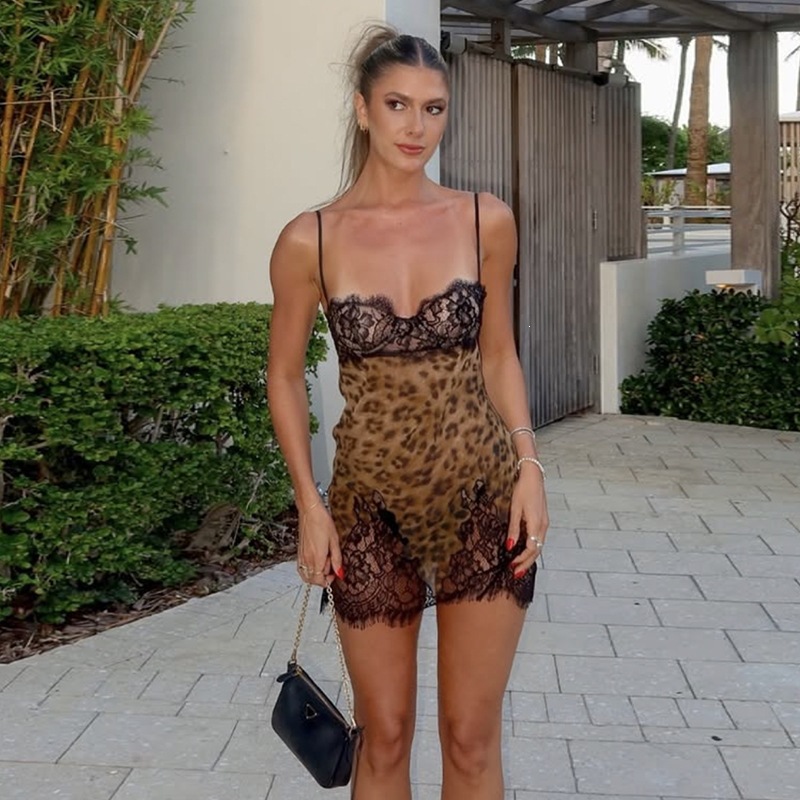
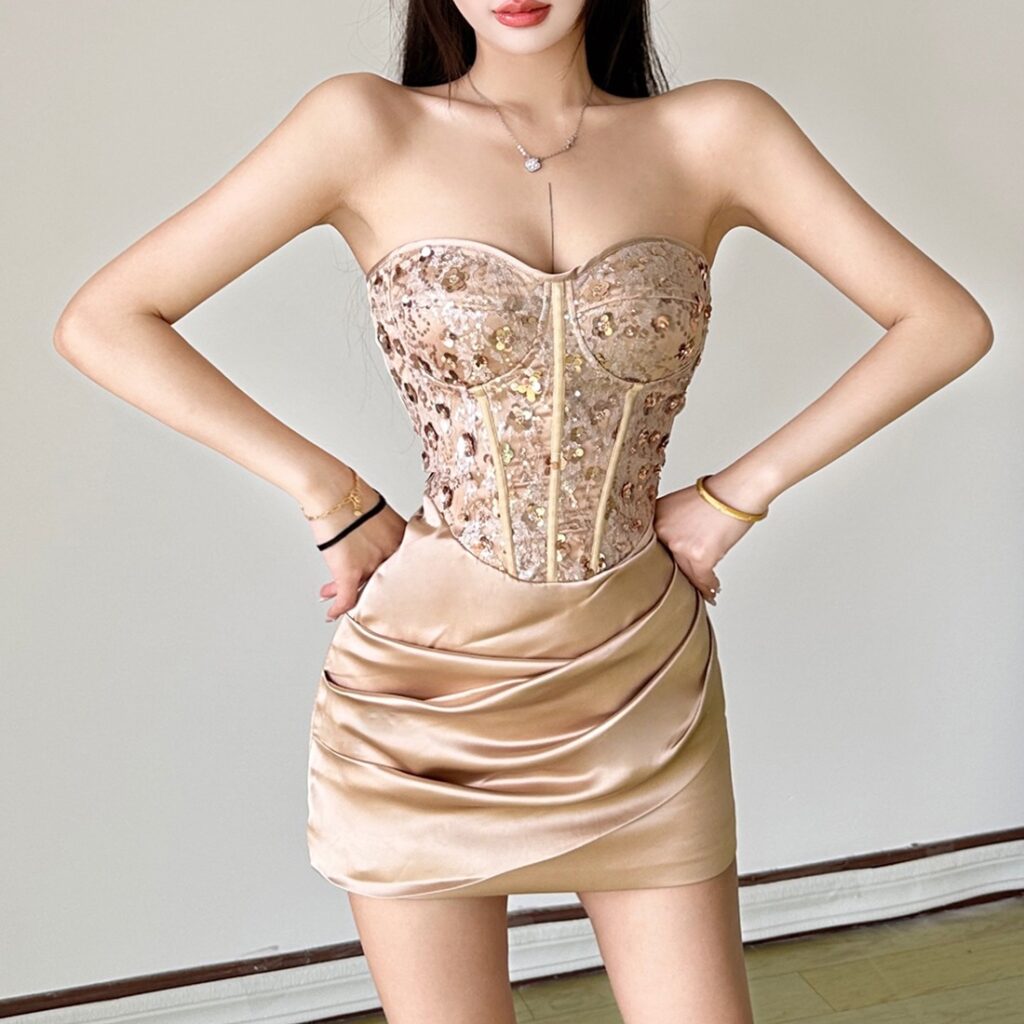
The Odette Sleeveless Leopard Print Lace Dress brings balanced proportion and clean silhouette lines to everyday and occasion styling.
Layers for the unpredictable
A last-minute invitation often means a venue you have not seen. A tailored jacket, a lightweight coat or a wrap gives you control over temperature and adds a finishing line to the silhouette. Browse the jackets and coats collection if you need a layer that completes the outfit without competing with it. When you add one, check that it respects the shape of the dress underneath; our guide on how to layer a dress without hiding its shape explains how.
One accessory, chosen with intent
A single strong piece, such as a statement earring or a distinctive bag, is more convincing than a handful of small ones. If the dress already has a busy neckline or a bold print, keep jewellery minimal. If it is plain, that is your opportunity to add interest. The jewellery and accessories collection offers a range for exactly this finishing step, and our walkthrough on how to accessorize a simple dress without overcrowding the look shows how to edit with confidence.
Real-World Trade-Offs: Boldness, Comfort and Occasion
Short-notice dressing is a series of small compromises, and it helps to name them rather than pretend they do not exist.
Impact versus ease. A bold dress delivers presence immediately but demands more of you in confidence and in the choice of everything else. A simpler piece is easier to wear but may need an accessory or a layer to feel finished. For an evening with a party atmosphere, a dress such as The Roxane Party Hollow Out Backless Long Bandage Dress makes the decision for you, as the design itself is the statement, leaving little else to style.
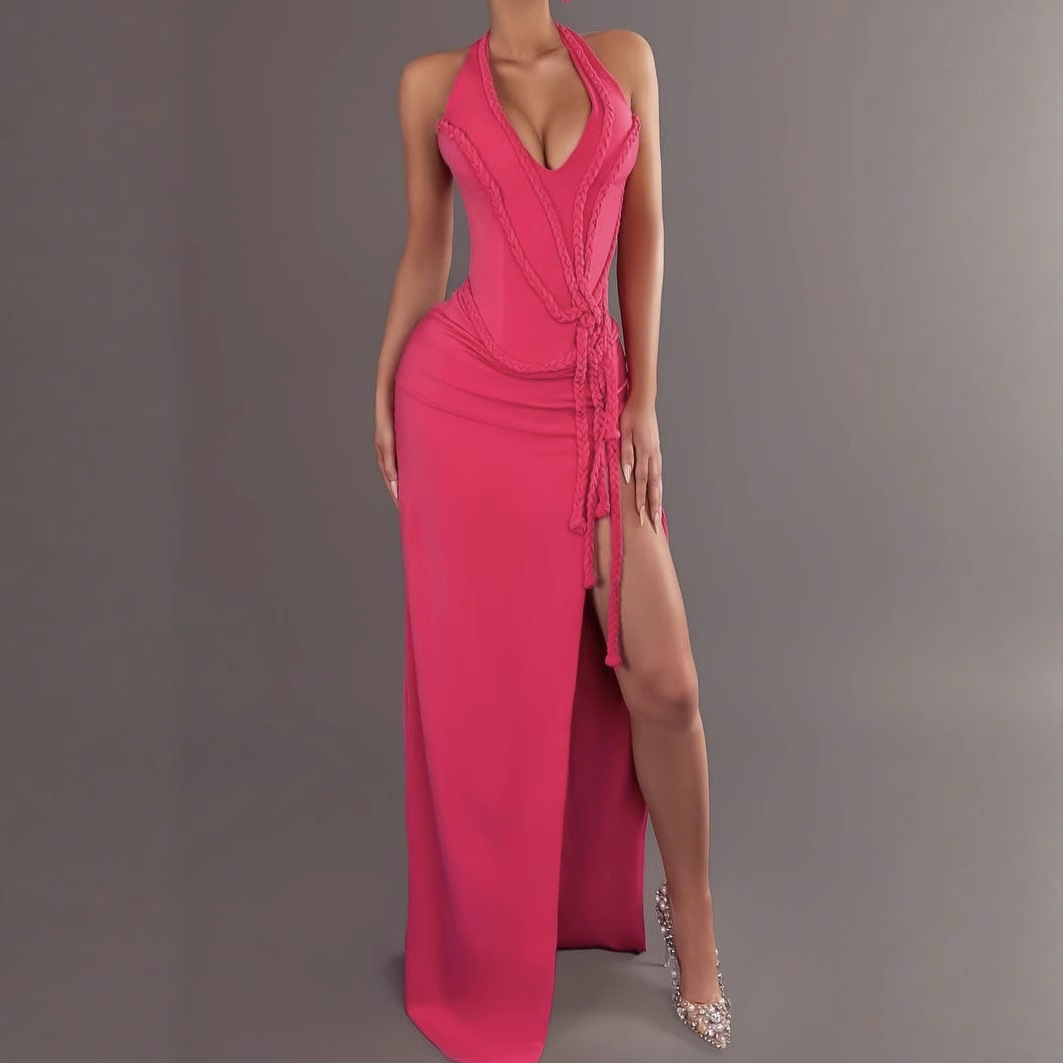
When a dress is the statement, the rest of the outfit can stay quiet.
Pattern versus pairing. A printed or textured piece, like The Odette Sleeveless Leopard Print Lace Dress, rewards a restrained supporting cast: neutral shoes, minimal jewellery, a simple bag. The principle is straightforward: let one element lead and let everything else support it.
Colour confidence. If you are unsure about combining shades, remain within one colour family or add a single contrasting accent. Our guide on how to choose clothing colours that work together offers a practical framework for building a palette quickly, which is especially useful when you have no time to test combinations.
Neckline and shoulder choices. A statement shoulder line, such as the one on The Mathilde Elegant Off Shoulder Patchwork Dress, reduces the need for a necklace and draws attention upward, so you can simplify the rest. Whatever the neckline, check it will hold its position when you move, since a garment that needs constant adjusting undermines the confidence that makes an outfit work.
If Nothing in Your Wardrobe Works: Ordering and Borrowing Wisely
Sometimes the wardrobe genuinely has nothing suitable. In that case you have three realistic options, and the right one depends on how much time you have.
Borrow. A friend’s dress or jacket can be an excellent solution if you share a similar size. Check fit around the shoulders and bust, since those are the hardest areas to adjust.
Rework what you own. Pairing a familiar piece in an unfamiliar way often resolves the problem. A day dress with a sharper jacket and elevated shoes can shift a whole register. If you keep a small, flexible wardrobe, this is far easier, and our piece on building a small wardrobe with pieces you can wear in different ways explains how to create that flexibility in advance.
Order online, with care. If the event is several days away, ordering a new piece is realistic, but only if you plan for delivery and the possibility of a return. Check the delivery and returns policy before you order so you know your timeline, and consult the FAQ page for sizing and support questions. Our guide on how to shop online for clothes without regretting your purchase is worth a read before you click, particularly the sections on measurements and realistic expectations. If you are choosing between a few options, the best sellers page is a sensible place to begin, and the wider boutique shop is there when you want to browse more broadly.
For a dress with a defined waist and a flattering line that can anchor an outfit on its own, The Gaia Small Round Neck Elastic Slim Fit Waist Slit Dress is the kind of single-piece solution worth considering when time is short.
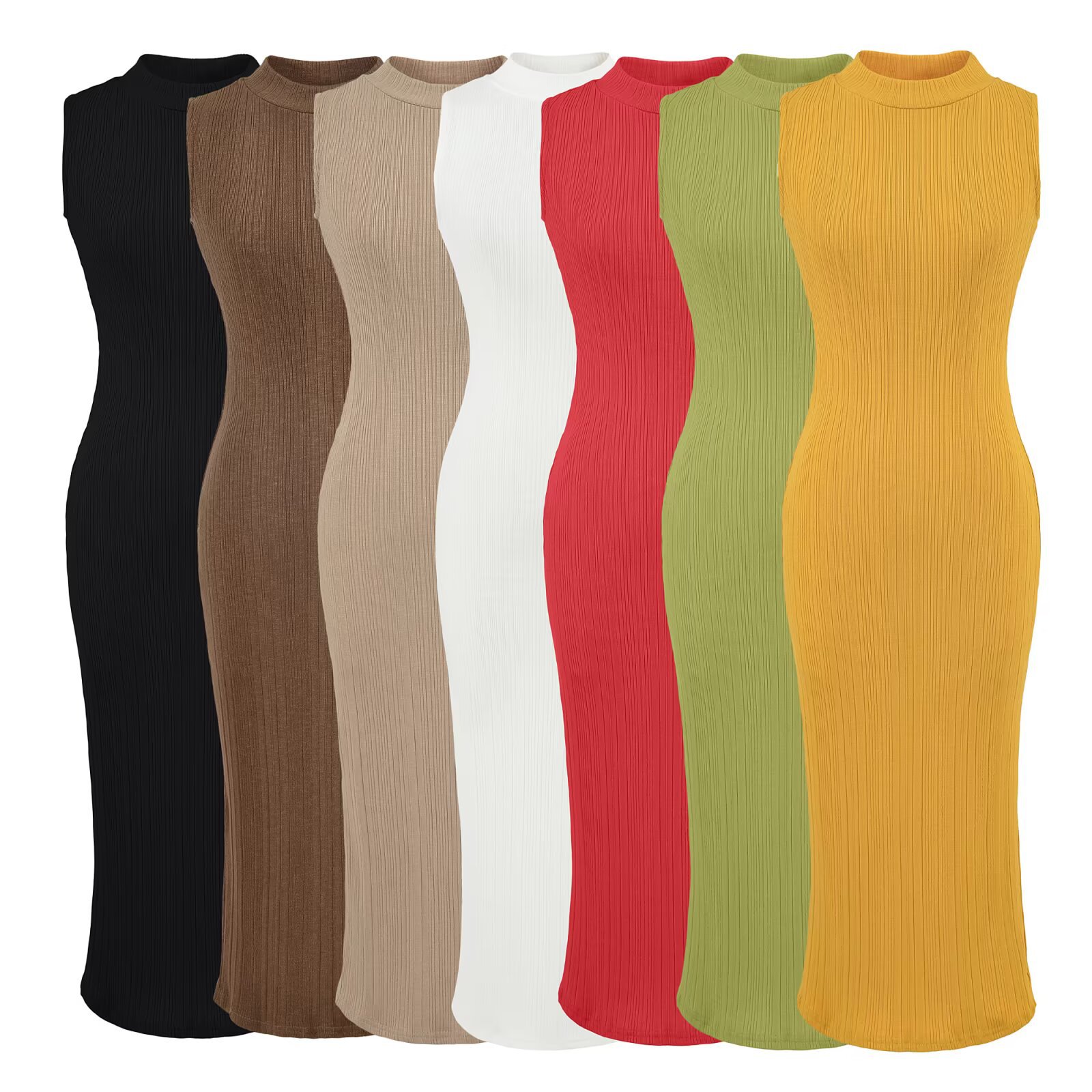
A single, well-defined dress can remove most of the guesswork.
Whichever route you take, resist the urge to buy something purely because the deadline feels urgent. A mediocre purchase made in a hurry rarely becomes a favourite, so choose only what you would be content to wear again.
The Styling Takeaway
Dressing for a last-minute invitation is less about inspiration and more about sequence. Read the occasion, name its register in one word, pick the silhouette you trust, run the quick fit and comfort checks, and finish with a single deliberate accessory. Do that, and a rushed evening becomes a calm one. Keep a go-to option and a reliable layer within reach, and the next sudden invitation will feel like an ordinary Tuesday. For a ready starting point, explore the dresses collection and find a piece that you would reach for without hesitation.