When you own plenty of clothes and still feel like you have nothing to wear, the problem is rarely quantity. It is almost always a mismatch: between the clothes and your current life, between individual pieces that were never meant to work together, or between a garment and the way it sits on your body today. The fastest fix is to stop searching for a better outfit and start diagnosing why the current ones feel wrong, then correct one variable at a time.
Why a Full Closet Can Still Feel Empty
Most overflowing wardrobes are built in layers of good intentions. A dress bought for a wedding two years ago. Jeans purchased in a cut that has since fallen out of favour with you. A jacket that looked perfect on the rail but never quite agrees with anything else you own. Each piece made sense alone, which is exactly the trouble: clothes are worn as combinations, and a closet of unrelated individual successes does not add up to a working system.
There are three common patterns behind the “nothing feels right” feeling, and they call for different solutions:
- The life-fit gap: your wardrobe was assembled for a routine you no longer have, such as an office schedule, a different climate, or a stage of life with other priorities.
- The cohesion gap: you have many good pieces but too few that share a colour logic, a level of formality, or a similar proportion, so every outfit requires an act of invention.
- The body-comfort gap: clothes that once fit and flattered now pinch, gape, or sit differently, and you reach past them without admitting why.
Naming which of these applies to you matters more than any shopping decision. Someone with a cohesion gap who buys more statement pieces will feel emptier than before, while someone with a life-fit gap needs different garments entirely, not better styling of the old ones.
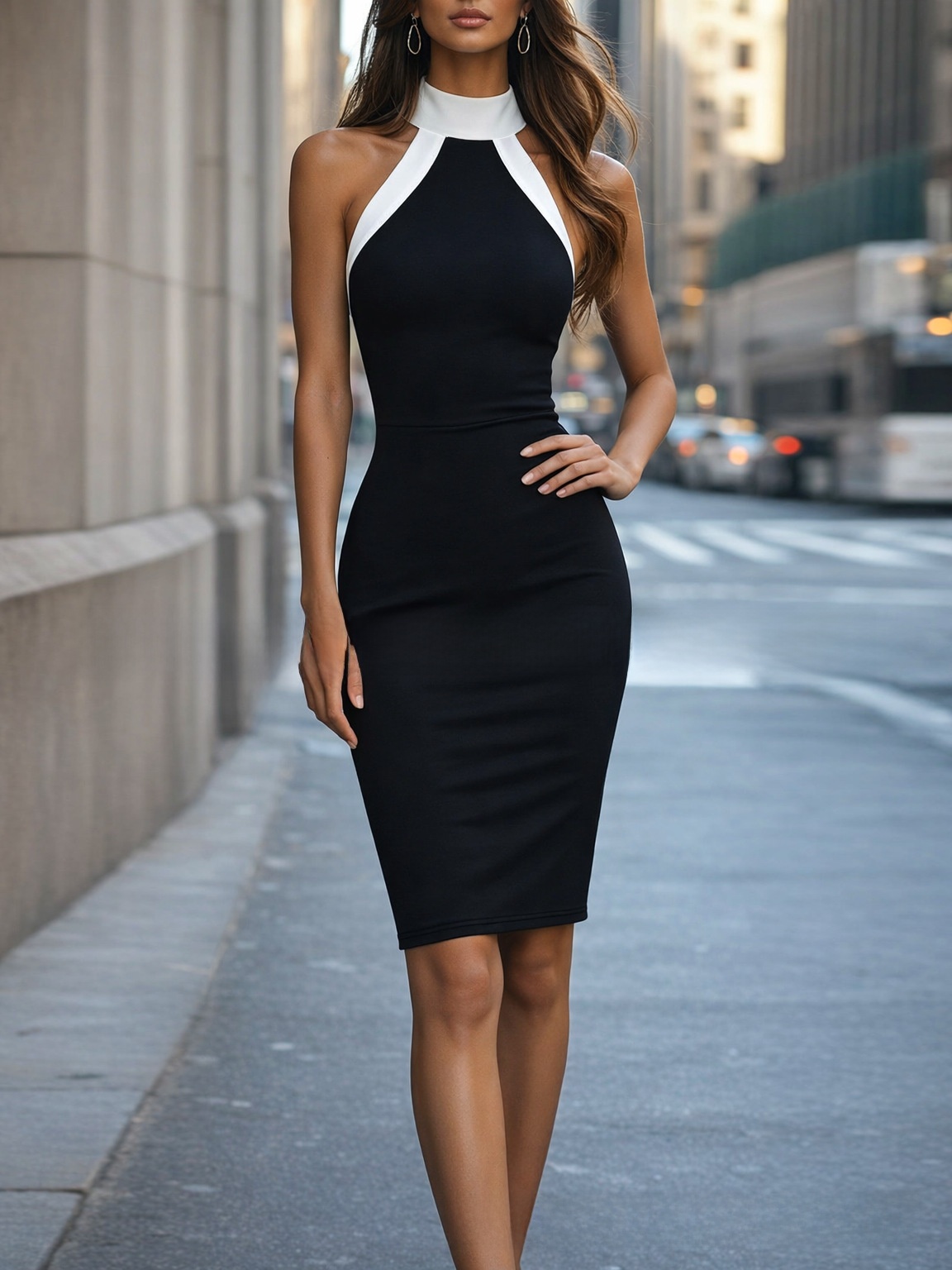
A single, self-contained piece removes the matching problem entirely on mornings when nothing coordinates.
Run a Ten-Minute Diagnosis Before You Get Dressed Again
Try on, do not just look
Hangers lie. A garment can look appealing in the closet and feel completely wrong on, so the first step is physical. Pull out the six to ten pieces you reach for least and try each one on in good light, in front of a full-length mirror, with the shoes you would actually wear. Then ask three plain questions of each: Does it fit my body as it is now? Does it suit the places I actually go? Can I name two other things I own that work with it?
Any piece that fails all three has your answer. A piece that fails only the third question is not a bad garment; it is an orphan, and orphans are the cheapest problem to solve, usually with one well-chosen companion.
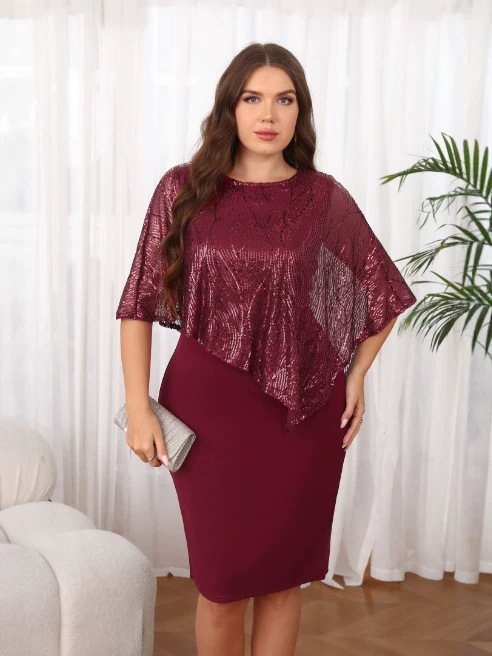
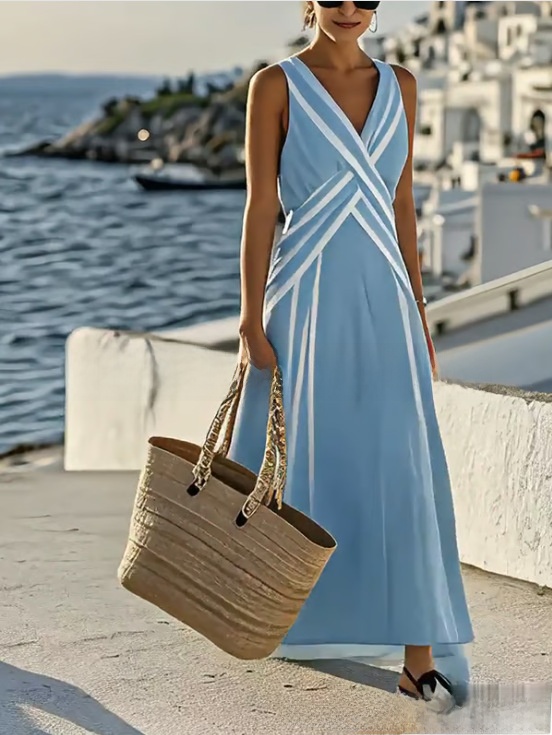
The Marine Dress with a Fitted Skirt and a Middle brings balanced proportion and clean silhouette lines to everyday and occasion styling.
Sort into four honest piles
- Wear now: fits, suits your routine, and pairs easily.
- Fix or adjust: good piece, but needs tailoring, a hem change, or a missing partner.
- Occasion only: keep, but stop expecting it to rescue an ordinary Tuesday.
- Let go: fit, comfort, or taste has changed and the piece is only taking up space.
The “occasion only” pile deserves special attention. Many people feel they have nothing to wear because they are measuring everyday clothes against their most dramatic pieces, which is an unfair comparison. If you are rebuilding your sense of what works, the guidance in our piece on choosing a jacket that works with dresses, jeans and everyday outfits is a useful companion, since one versatile outer layer often resolves several stalled outfits at once.
Proportion Is Usually the Missing Ingredient
When an outfit contains good pieces and still looks unresolved, proportion is the most likely culprit. Proportion is simply the relationship between the volume of the top half and the bottom half of an outfit, and between where garments end and where your body naturally breaks into sections.
The balance rule that rescues most outfits
A reliable starting principle is to pair something fitted with something fuller. A close-fitting top with a wide-leg trouser, or a roomy knit over a slimmer skirt or straight leg, tends to look intentional because the eye reads a clear shape. When both halves are voluminous, an outfit can look shapeless; when both are very fitted, it can feel restrictive and leave little room to move comfortably through a day.
Denim shows this clearly. The same top can feel entirely different depending on the leg shape beneath it, a point we unpack in our guide to straight-leg versus wide-leg jeans. If your jeans are the foundation of most of your outfits and they no longer sit the way you like, that single garment may explain a surprising amount of the dissatisfaction.
Check where hems and waistlines land
Two small details change how an outfit reads more than almost anything else. First, where the waistline sits: a top that ends at an awkward point, neither clearly tucked nor clearly cropped, can make an otherwise good outfit feel off. Second, where the hem falls on the leg: a skirt or dress that stops at the widest part of the calf behaves differently from one that skims the knee or reaches the ankle. Our comparison of midi and maxi dresses goes into how length shifts the whole effect of an outfit, and it is worth a read if length is the variable you have never really examined.
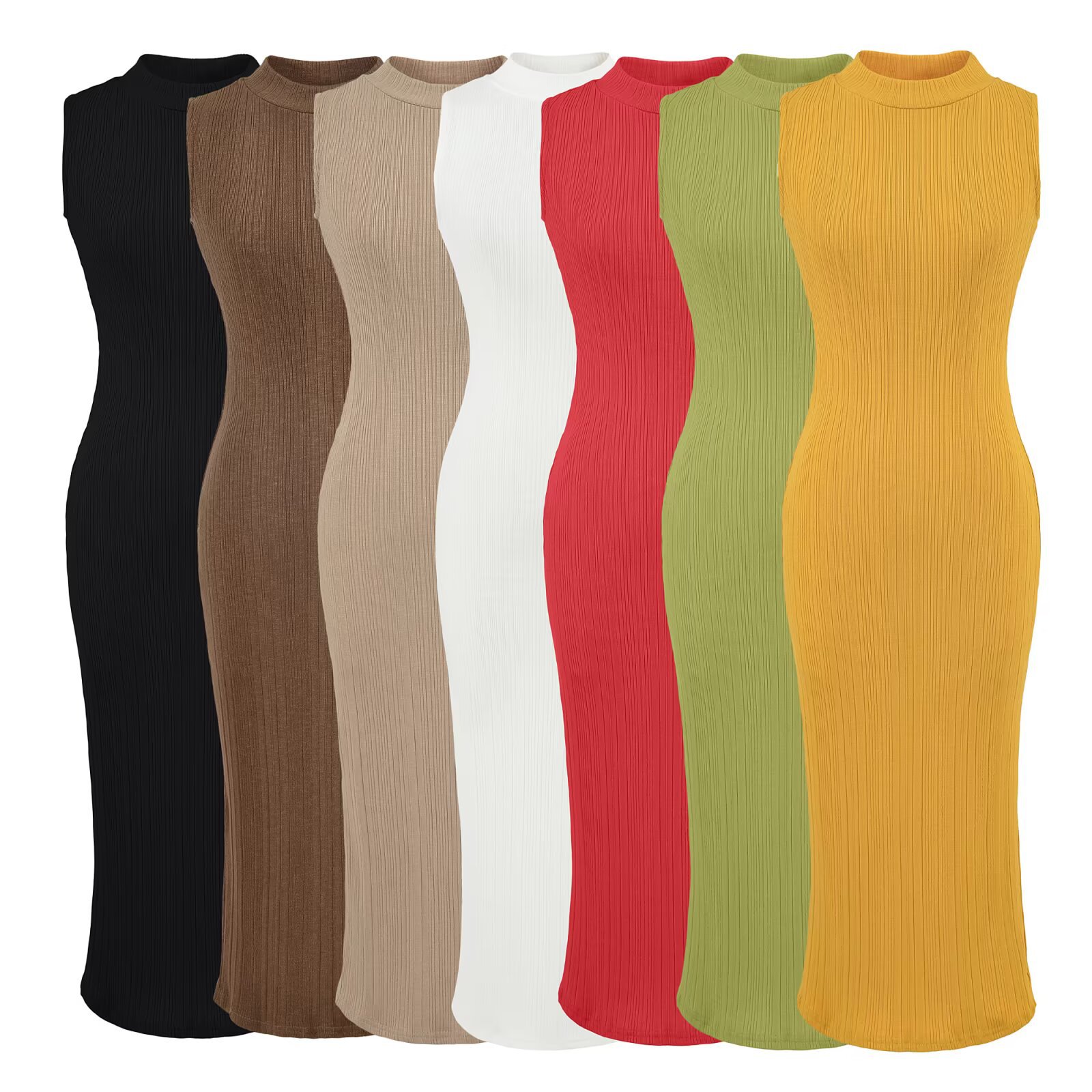
A clearly defined waistline and a visible slit give an outfit an immediate sense of shape and movement.
Fit and Fabric: The Quiet Reasons Clothes Get Ignored
Many items sit unworn because of how they feel, not how they look. A neckline that requires constant adjusting, a waistband that digs after lunch, a fabric that clings in the wrong places or wrinkles within an hour: these small irritations add up to a garment you silently stop reaching for.
What to test for
- Movement: sit down, raise your arms, and walk a few steps. If you are tugging or adjusting within a minute, the garment will do the same all day.
- Neckline stability: wide or off-the-shoulder necklines look striking but need a cut that stays in place; if you spend the day correcting it, it is not working for daily wear.
- Fabric behaviour: consider how a material drapes, whether it holds creases, and how it responds to the weather you actually live in.
Care instructions matter here too. Pieces that are difficult to maintain tend to stay in the closet. Checking the care label before you commit to a garment, and understanding what the symbols mean (the Federal Trade Commission’s guidance on textile labelling explains what such labels are required to tell you), helps you avoid buying beautiful clothes you will never feel relaxed wearing.
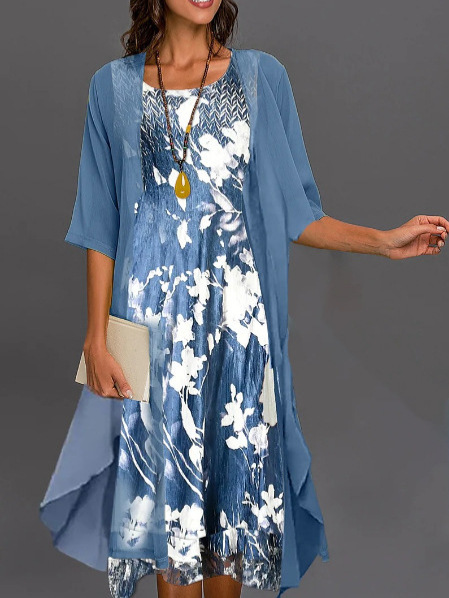
The Anais Fashionable and Elegant Chiffon Dress brings balanced proportion and clean silhouette lines to everyday and occasion styling.
Remember also that a body changes across seasons, years, and life stages. If a piece you loved no longer feels comfortable, that is information, not failure. A good alteration can rescue a garment that is nearly right, while a piece that needs to be fought into place every morning rarely earns its space.
Build Outfits From Formulas, Not From Scratch
Decision fatigue is a real contributor to the “nothing feels right” sensation. Starting each morning from a blank slate asks a lot of you. Formulas reduce that burden by giving you a repeatable structure into which different pieces can slot.
Three formulas worth keeping
The one-piece reset. A dress needs no matching, which is why it is the quickest rescue on a difficult morning. Add a layer and shoes, and you are done. A piece such as the Marine dress with a fitted skirt shows how a single garment with structure can carry an entire outfit without extra effort, and you can browse more options in our women’s dresses collection.
The anchor and accent. Choose one dependable base, such as well-fitting jeans or a tailored trouser, and rotate a single interesting piece on top. The base does the work of making the outfit feel grounded, and the accent supplies the personality.
The tonal base with one contrast. Build the outfit in related shades, then add a single point of contrast through a bag, a belt, or a bold accessory. The coordination is built in, so the outfit looks considered with very little thought.
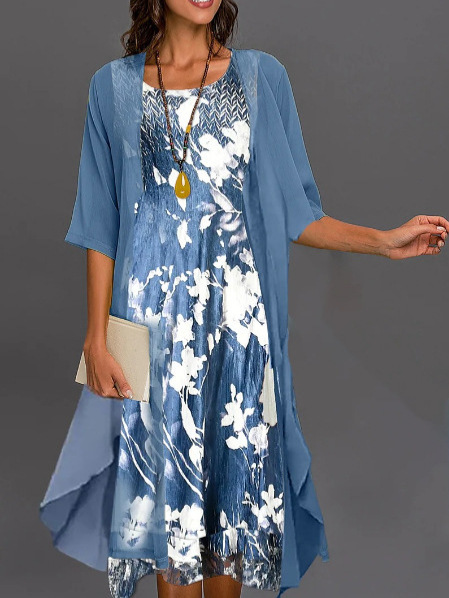
When coordination feels exhausting, a flowing one-piece dress can replace several decisions with one.
Let layers do the coordinating
A neutral outer layer pulls mismatched elements into a single visual story. If your pieces rarely seem to agree, a jacket or coat in a calm colour can unify them. For ideas on doing this without flattening the shape of what is underneath, see our guide on layering a dress without hiding its shape, and explore the jackets and coats collection if your wardrobe lacks a dependable outer layer.
Fill the Real Gaps, Not the Imagined Ones
Once you have diagnosed the problem and reorganised what you own, you may find a small number of genuine gaps. This is the moment to shop, and the discipline is to buy to solve a specific problem, not to chase the sense of novelty that a new purchase briefly provides.
Questions to ask before buying
- Which of my outfits does this complete, and can I name at least three?
- Does it suit the life I actually live right now, not the one I imagine?
- Does it work with the shoes and layers I already own?
- Would I still want it if it were not on sale or newly released?
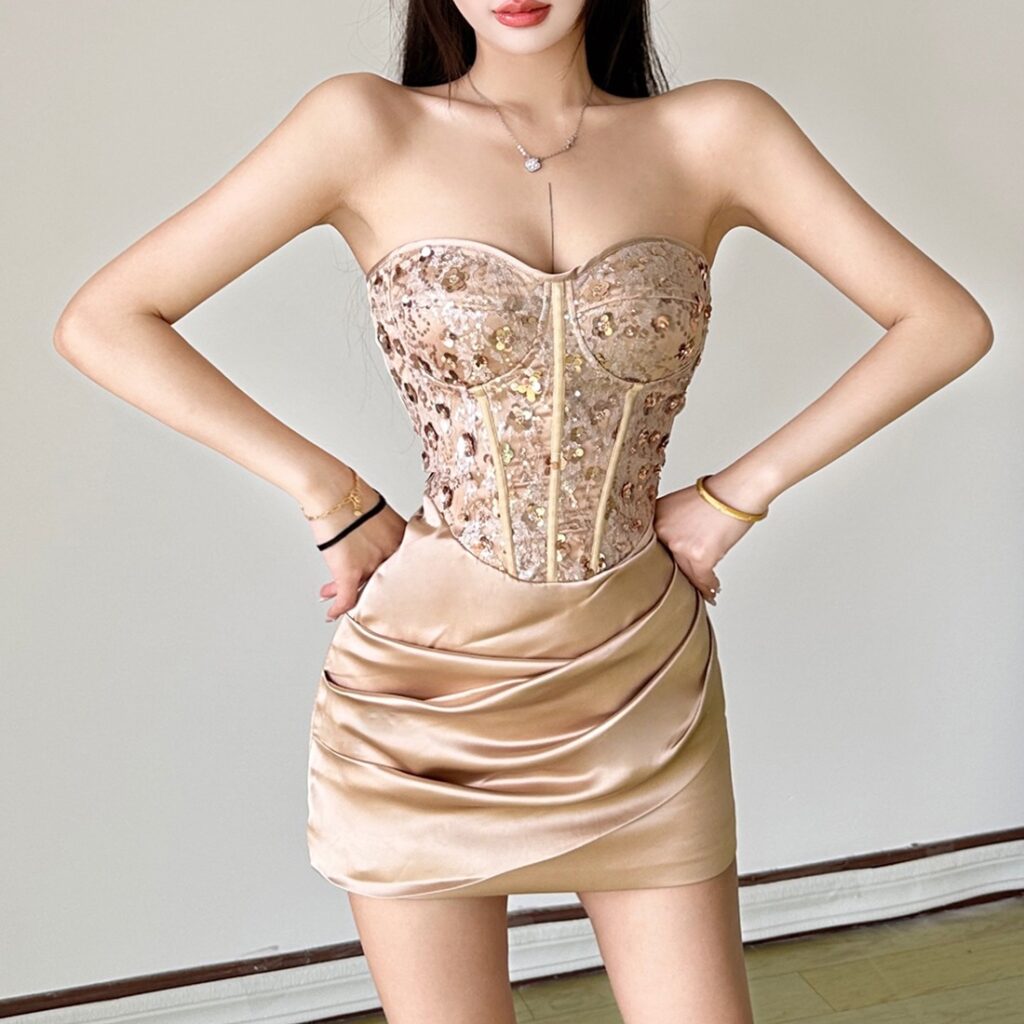
If the honest answer reveals a missing occasion piece, such as something for a dinner, a celebration, or an event, it is reasonable to look at a dress with more presence. A dress like the Mathilde off-shoulder patchwork dress is the type of piece that can anchor a dressier occasion, and our advice on choosing a birthday dress that suits the venue and occasion walks through how to match a garment to a setting. If a finishing touch is what your outfits lack, the jewellery and accessories collection offers a lower-commitment way to refresh what you already own.
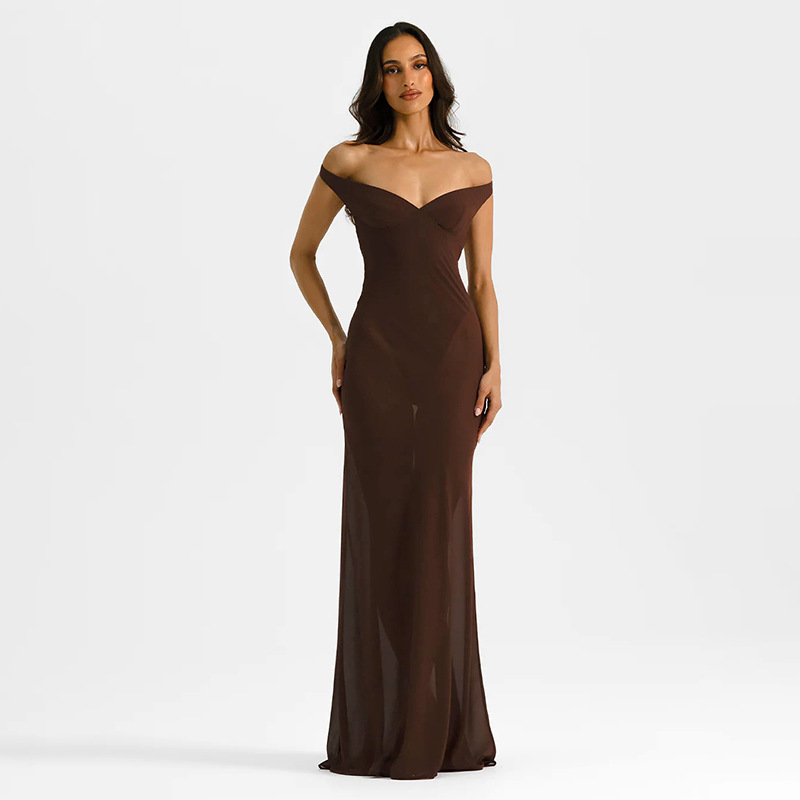
A true occasion gap is better filled with one deliberate piece than with several impulse buys.
Whatever you buy, check sizing support and return terms first. Our FAQ and delivery and returns pages explain how that works, which removes some of the risk from adding something new to a wardrobe you are trying to refine.
Keep the System Working After the Clear-Out
A wardrobe that feels right is maintained, not achieved once. A few light habits prevent you from sliding back to the same frustration within a season.
- Photograph outfits that work. A short record of combinations you liked saves you from reinventing them on a rushed morning.
- Group by outfit, not by category. Hanging complete looks together makes the decision for you.
- Review each season. A brief check-in on what you wore and what you ignored keeps your wardrobe aligned with your real life.
- Repair promptly. A missing button or loose hem is often the only thing standing between you and a garment you love.
If the issue is more specific, for example needing something warmer to finish a favourite dress, our guide on what to wear over a dress when the weather turns cool shows how a single layer can extend the life of pieces you already own.
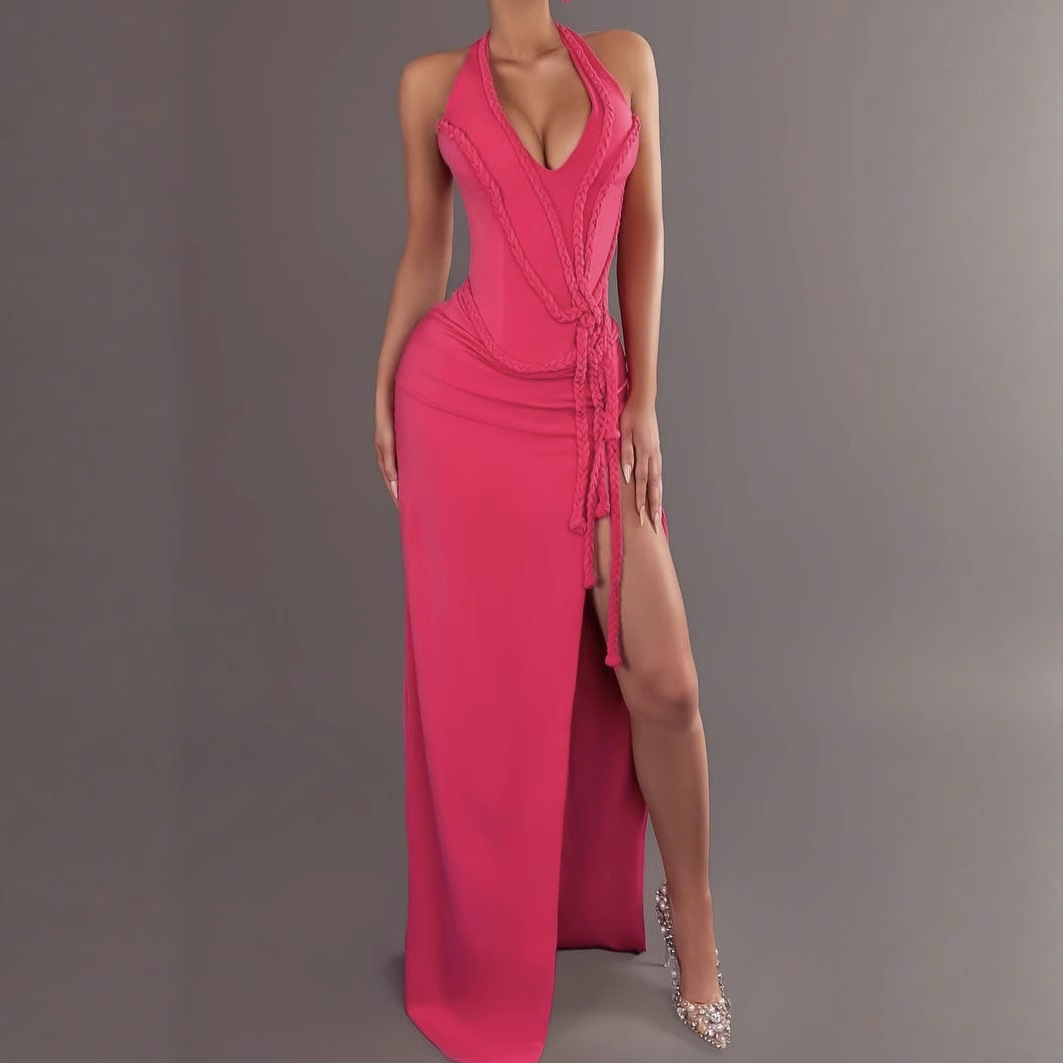
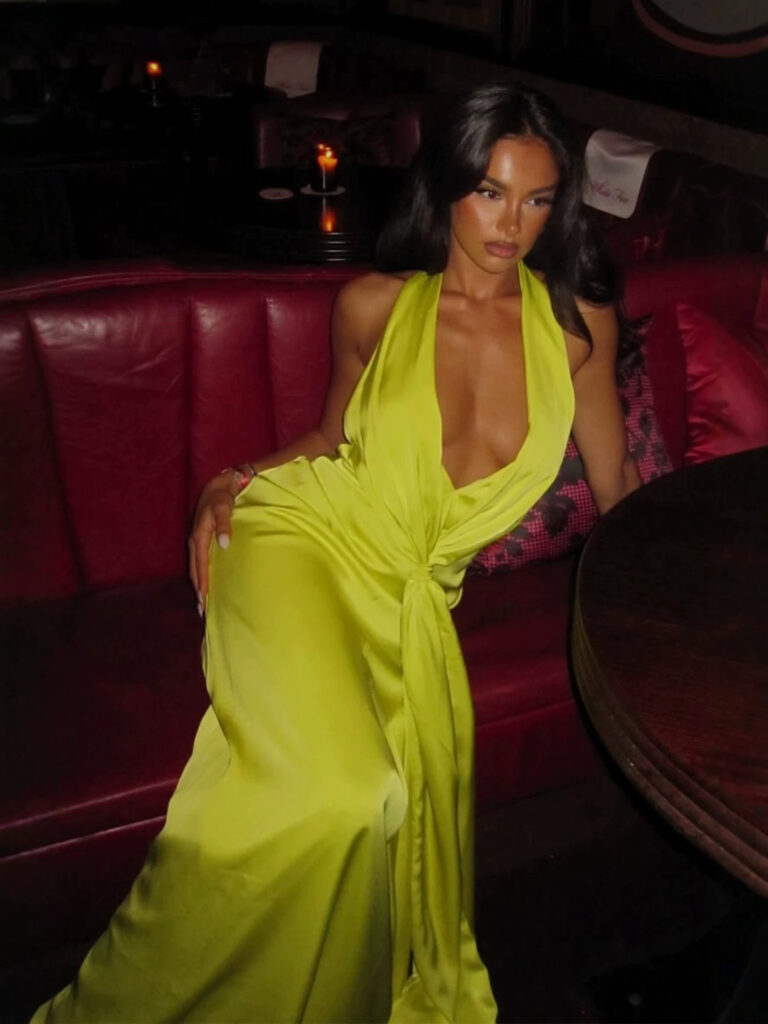
The Roxane Party Hollow Out Backless Long Bandage Dress brings balanced proportion and clean silhouette lines to everyday and occasion styling.
The Styling Takeaway
A full closet that feels empty is a diagnostic problem, not a shopping problem. Work out whether your clothes are failing on life fit, cohesion, or comfort, correct proportion and fit before adding anything new, and give yourself two or three dependable outfit formulas so mornings stop requiring invention. Then fill only the gaps that remain, starting with the piece that completes the most outfits you already own. If a single, well-chosen dress or layer would solve your biggest gap, begin with the Larose Couture boutique or our best sellers, and buy slowly, with a clear purpose.