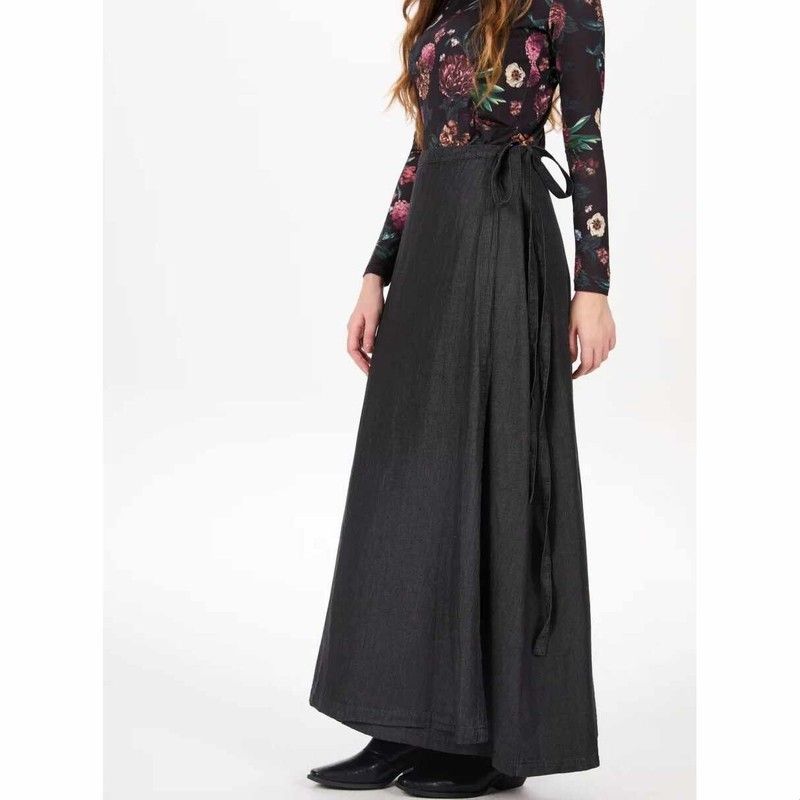
A dress fits well when its structure lines up with your body instead of fighting it: the shoulder seams rest where your shoulders end, the waist sits at or near your natural waist, the fabric skims rather than strains or sags, and the hem lands at a point that suits your proportions and your shoes. Size labels hardly enter into it. Two women in the same size can look entirely different in the same dress, because fit is a matter of alignment, and alignment is something you can learn to see.
Start at the Shoulders: Where Every Good Fit Begins
If you only have time to check one thing in the mirror, check the shoulders. Almost everything else in a dress hangs from them, and shoulder problems are the hardest to correct after purchase. A waist can be taken in, a hem can be raised, but rebuilding shoulder structure is a serious alteration that rarely justifies the cost.
On a dress with set-in sleeves or a structured bodice, the shoulder seam should sit at the outer edge of your shoulder bone, roughly where your arm begins to turn away from your body. When the seam creeps toward your neck, the dress is too small across the upper back, and you will often see pulling lines running from the armhole toward the bust. When the seam slides down your upper arm, the dress is too large, and the whole garment drops: the bust point lowers, the waist seam lands too low, and the hem falls longer than intended.
Necklines and Off-the-Shoulder Cuts
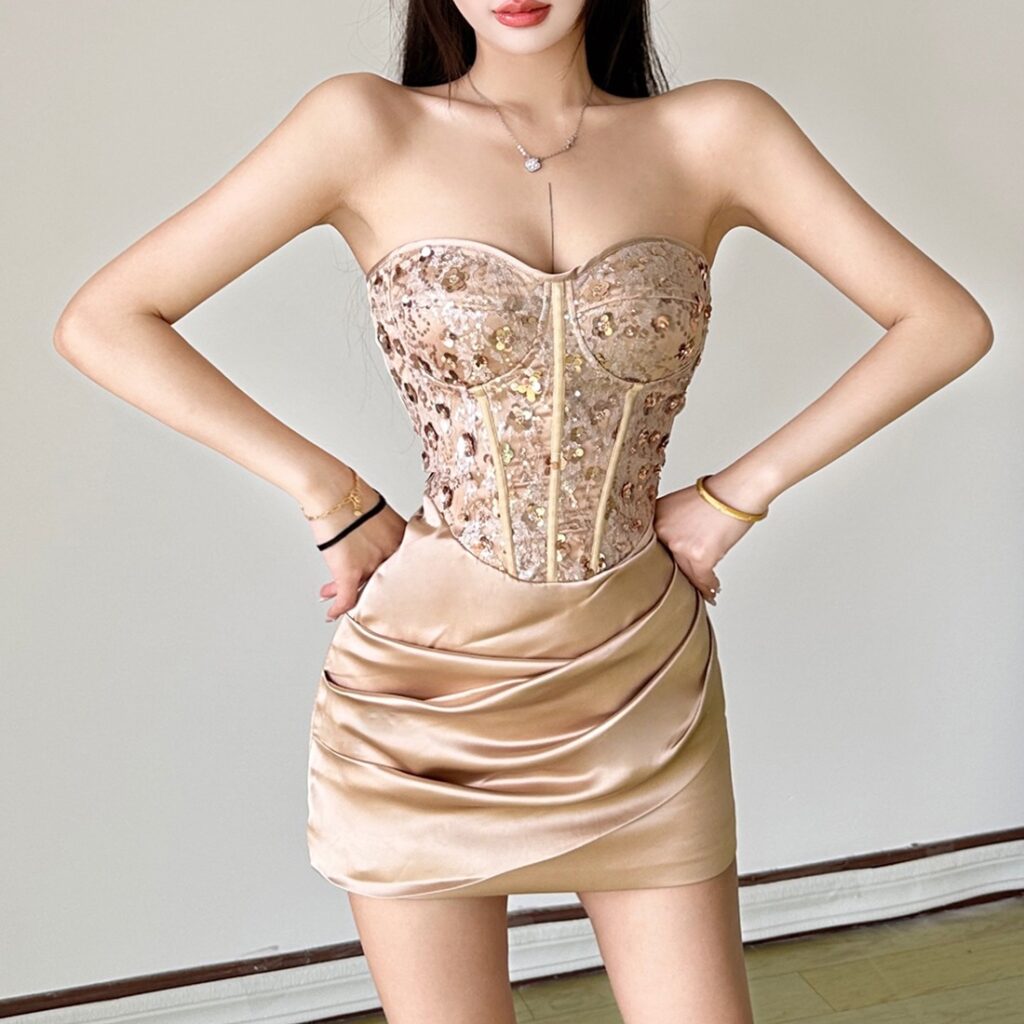
Some silhouettes remove the shoulder seam test entirely. With an off-the-shoulder style such as the Mathilde Elegant Off Shoulder Patchwork Dress, the question becomes whether the neckline stays put. A good fit here means the edge sits flat against your skin without digging in or rolling, and it should not need constant tugging upward. If you find yourself adjusting it every few minutes in the fitting room, that is information worth acting on.
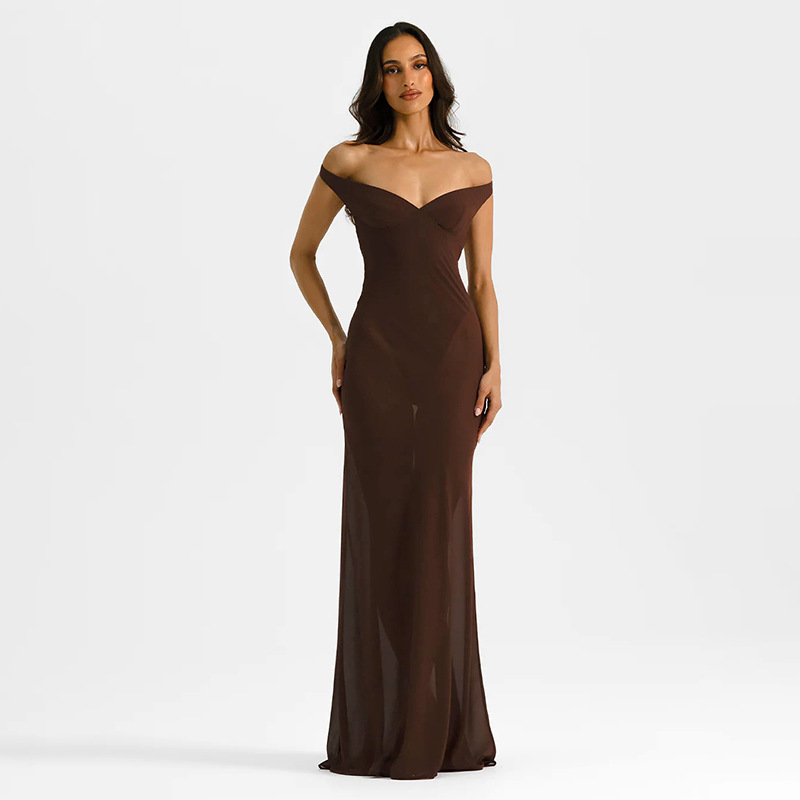
With an off-shoulder neckline, the test is whether it stays in place without constant adjusting.
For round and scoop necklines, look for a flat, even edge. A neckline that gapes forward when you lean over suggests the front is cut too wide for your frame, while one that presses against your collarbone suggests it is too narrow. Neither is a disaster, but both tell you the dress was cut for a slightly different frame than yours.
Reading the Seams: What Stitching Tells You About Fit
Seams are the quiet instruction manual of a garment. They mark where pieces of fabric meet, and on a dress that fits, they land where the body’s own lines fall. Once you know what to look for, you can judge fit from across a room.
The side seams should run straight down the sides of your body, roughly perpendicular to the floor. If a side seam swings toward the front or back, the dress is twisting around you, usually because it is too tight through the hips or because the fabric is under tension somewhere above. A waist seam, where the bodice meets the skirt, should sit at your natural waist, the narrowest part of your torso, unless the design deliberately places it elsewhere, as with an empire or drop-waist cut.
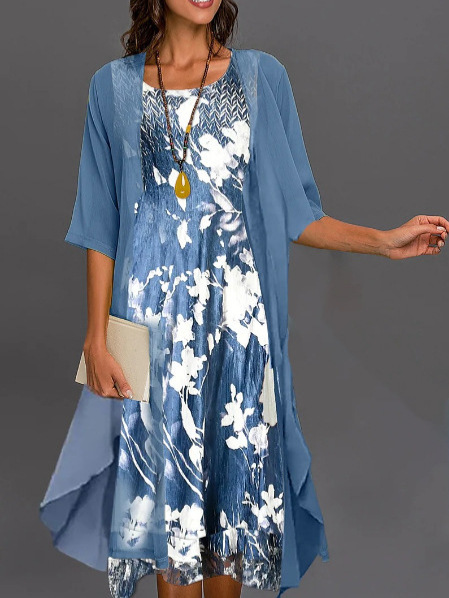
The Anais Fashionable and Elegant Chiffon Dress brings balanced proportion and clean silhouette lines to everyday and occasion styling.
Wrinkles as Diagnostic Clues
Wrinkles tell you where a dress is working against you, and their direction matters. Horizontal pulls across the bust or hips usually signal tightness, because the fabric is stretched sideways and bunching up in response. Diagonal drag lines from the hip toward the opposite knee often mean the skirt is too narrow for your stride or seat. Vertical folds and loose, pooling fabric suggest excess room. A few soft creases when you sit are natural; persistent, sharp ones while you stand still are a signal.
A related point: seams that are visibly straining, with thread showing between stitches or fabric puckering along the line, indicate stress at that point. Avoid buying a size that only fits when you hold your breath.
Length and Hemlines: Choosing the Point That Flatters
Hem length shapes how a dress reads on the body more than almost any other detail, and it is one of the easiest variables to adjust. A hem that lands at a visually awkward point can make legs look shorter and an outfit look accidental, even when the rest of the fit is excellent.
The general principle is that a hem is most flattering when it falls at a narrower part of the leg: just above or at the knee, at the narrowest point of the calf, or at the ankle. Hems that land at the widest part of the calf, or exactly at the knee crease for some people, tend to cut the leg line in a less flattering place. This is a guideline, not a law, and the right point depends on your height, leg shape and the shoes you plan to wear.
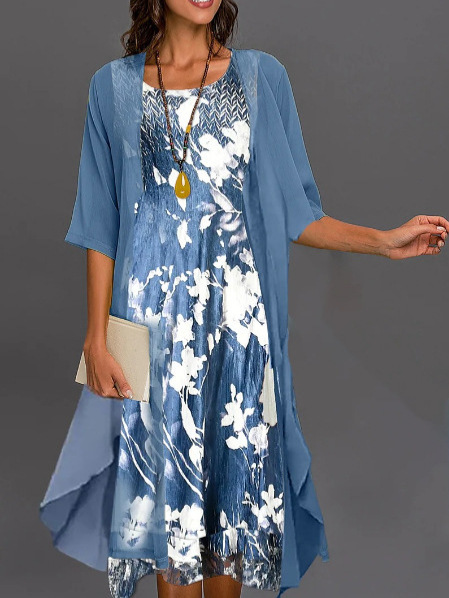
Flowing hemlines move as you walk, so judge length in motion as well as standing still.
Midi and Maxi: Different Rules for Different Lengths
Longer lengths follow their own logic. A midi is the most sensitive to proportion, because it divides the leg into two visible sections, and the exact landing point changes the whole effect. A maxi should usually skim the top of your shoes or hover just above the floor in the shoes you will actually wear; one that pools around the feet becomes a tripping hazard and collects dirt. For a deeper comparison of the two, our guide to midi versus maxi dresses and which length suits which occasion goes through the trade-offs in detail.
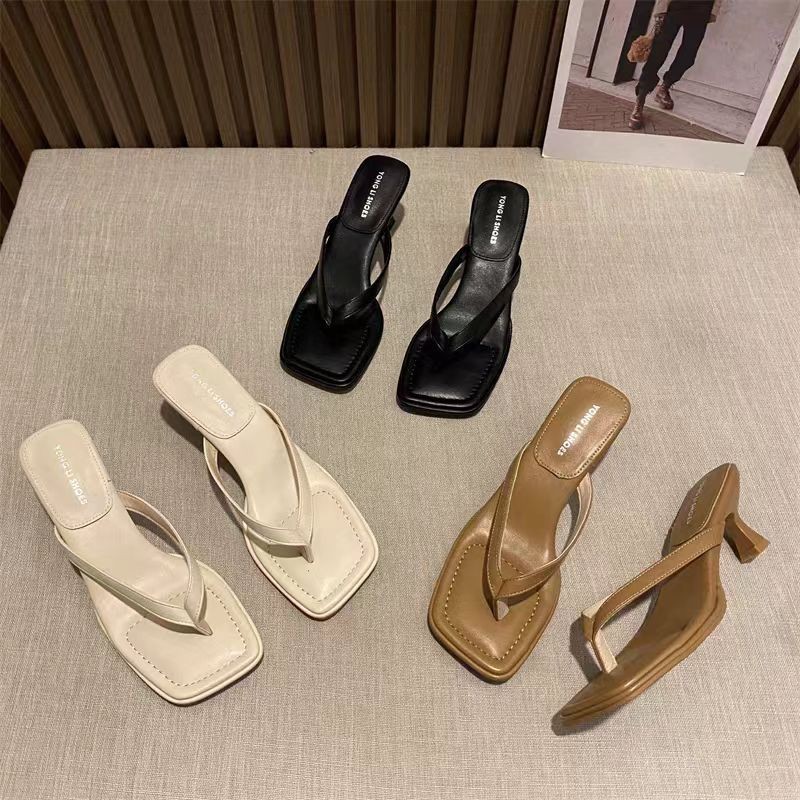
Always test length with the footwear you intend to pair it with. A hem that looks right barefoot can look short once you add a heel, and a hem that grazes the floor in flats may drag in a stack heel’s absence. If you are still deciding on footwear, our piece on what shoes to wear with a maxi dress is a useful companion.
Proportion: How the Dress Divides Your Body Visually
Proportion is the part of fit that goes beyond measurements. A dress can match your body exactly and still look off if its visual divisions fight your natural lines. The three horizontal markers that matter most are the waistline, the hem, and the widest point of the skirt.
A waist seam placed higher than your natural waist elongates the legs visually; one placed lower shortens them and lengthens the torso. Neither is wrong, but you should choose it deliberately. A fitted bodice paired with a fuller skirt creates contrast and emphasises the waist; a column dress that follows the body from shoulder to hem creates one long vertical line. Contrast between volumes is often what makes a silhouette feel intentional.
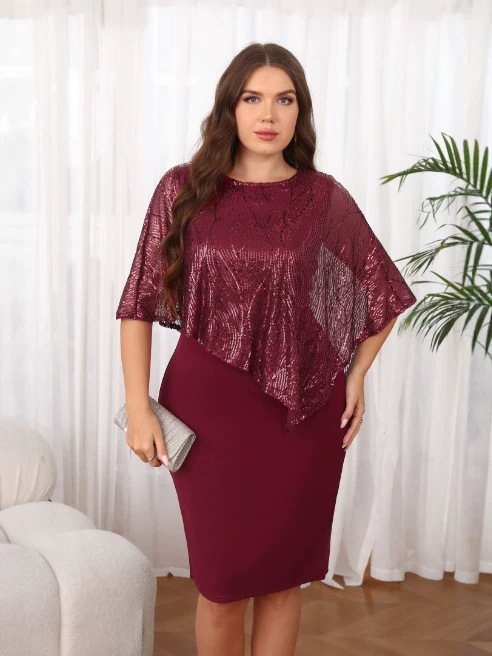
A defined waist creates a clear visual division between bodice and skirt.
Balancing the Top and Bottom
Look at the dress as a whole shape rather than as parts. If the bodice is fitted and the skirt is full, the eye reads an hourglass or an A-line. If the top is voluminous and the skirt is narrow, the silhouette inverts, which can look striking but needs confidence. A style such as the Marine Dress with a Fitted Skirt and a Middle shows how a defined waist can anchor the whole outfit; what matters in practice is whether that waist lands where yours actually is.
Sleeve length and width belong to proportion too. A sleeve that ends at the widest part of your upper arm or hip-length details that stop at the widest part of your hips can draw attention in ways you may not want. Small shifts of an inch or two in where a detail ends often change the whole impression.
Fabric and Stretch: How Material Changes What “Fitted” Means
A dress cut from a stable woven fabric fits differently from one cut in a stretch knit, and the tests you apply should change accordingly. In a rigid woven, there is little give: if the dress is tight across the bust, it will stay tight. You need clear ease, meaning breathing room, in the hips and bust, and you should be able to sit, raise your arms and walk without the garment fighting you.
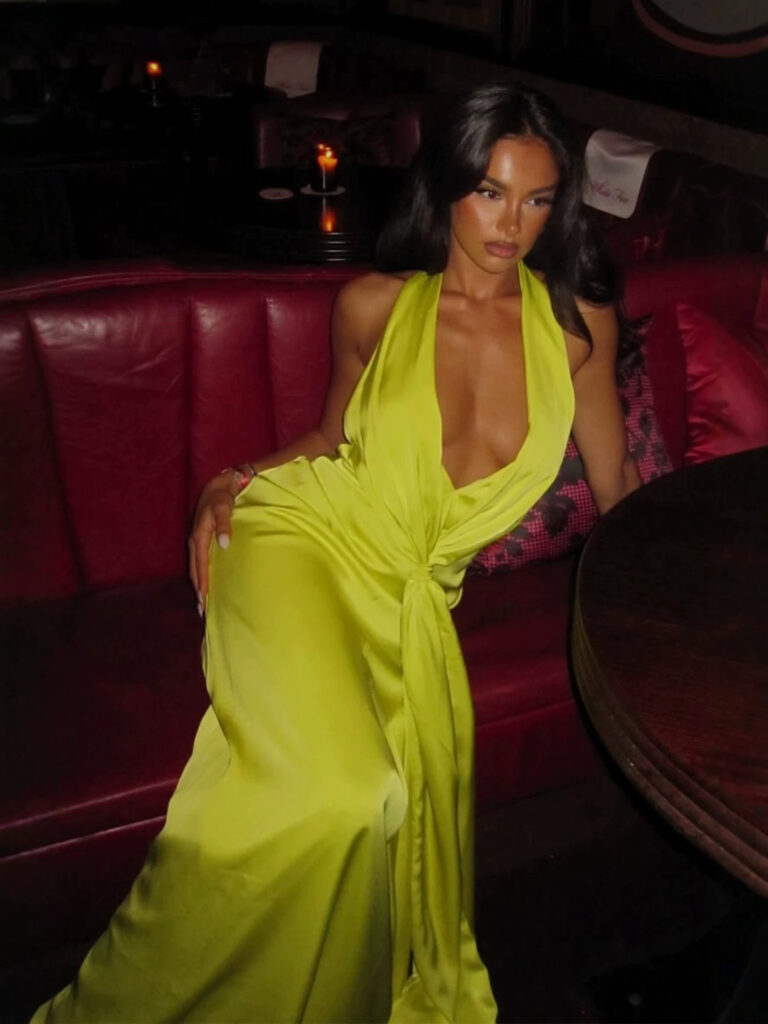
With stretch fabrics, the risk reverses. They can hide a poor fit in the fitting room by stretching to accommodate you, then reveal it as the fabric tires or as you move. Check that the fabric lies smooth without being pulled to its limit, since over-stretched areas can look thin and may lose shape. Softer, drapey materials such as chiffon hang from structure points, so they depend even more heavily on shoulder and waist placement for a clean line.
Fabric weight changes the hem as well. A lightweight fabric moves and floats, so a hem can appear shorter in motion than it did standing still. For a broader look at how different materials behave, see our guide on choosing between satin, chiffon and cotton. And if you want to understand how care labels interact with fit over time, the Federal Trade Commission publishes clear guidance on textile labelling requirements, which helps explain what the tags inside a garment are telling you.
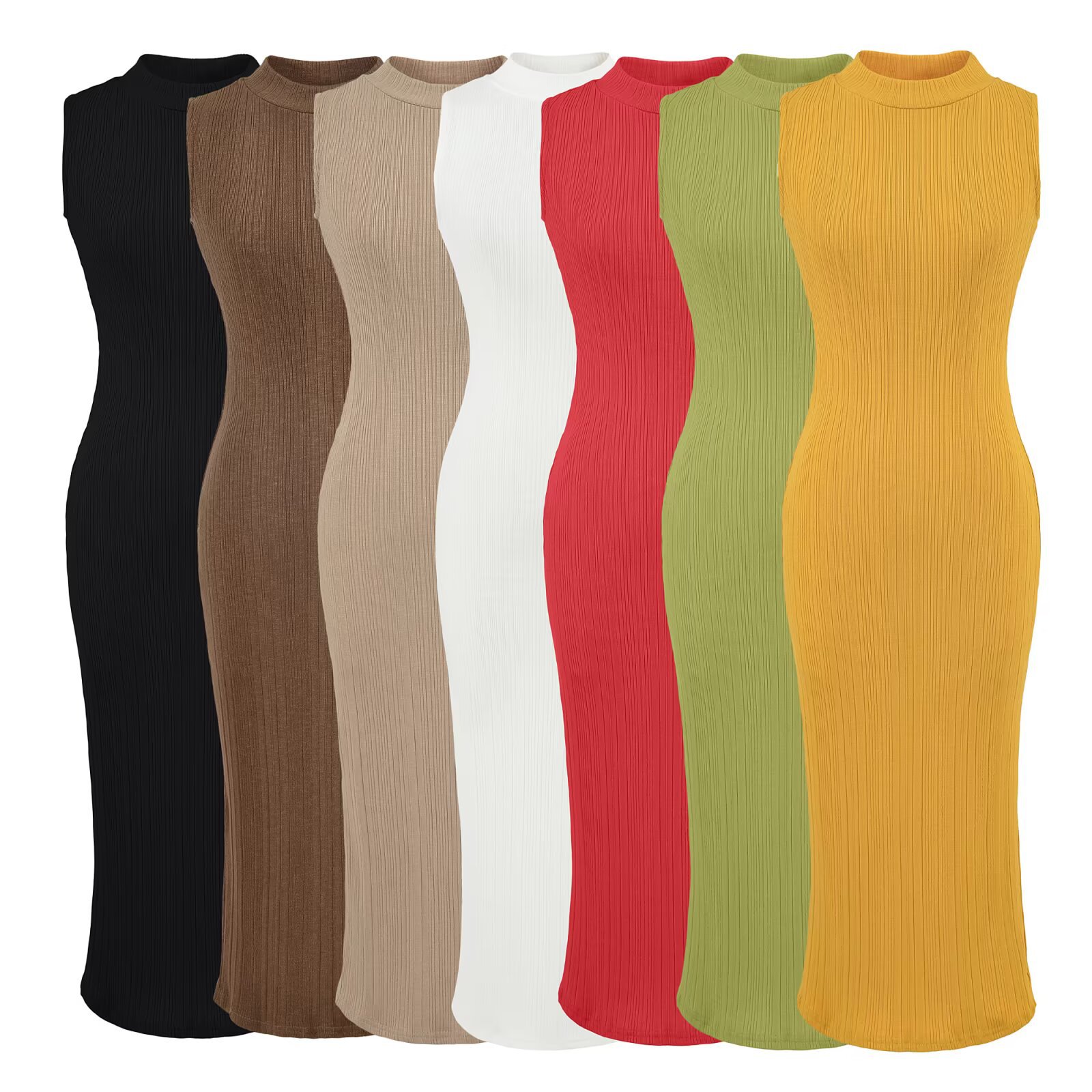
Closer-fitting cuts leave less room for error, so seam placement matters even more.
Buying a Well-Fitted Dress Online: Practical Checks Before You Order
Everything above is easier to judge in a mirror than on a screen, but you can narrow the odds before ordering. Start by measuring yourself accurately at the bust, natural waist and hips, and compare these against the size chart rather than relying on the size you usually wear. Brands cut differently, and a medium in one place is not a medium in another. Our walkthrough on how to read an online clothing size chart covers the process step by step.
Next, read the product details for the garment’s structure: whether it has a defined waist, a slit, a stretch element, or a particular neckline. These features tell you which fit points will matter most. If a dress has a defined waist seam, your torso length becomes important; if it is bodycon-leaning, hip and bust measurements dominate. For questions about a specific style, the size and customer support page is the place to start, and it is worth reviewing the delivery and returns policy before you buy, so you know your options if the fit is not right.
The Fitting-Room Routine
When the dress arrives, test it properly rather than glancing in the mirror. Put it on with the shoes and undergarments you plan to wear. Check the shoulder seams, then the bust and waist position, then raise your arms, sit down, and walk across the room. Look at the back view with a second mirror or your phone, since gaping at the back neckline or pulling across the shoulder blades is easy to miss from the front. If you are weighing two similar styles, such as the Anais Fashionable and Elegant Chiffon Dress against another silhouette, comparing them under identical conditions is the fairest test.
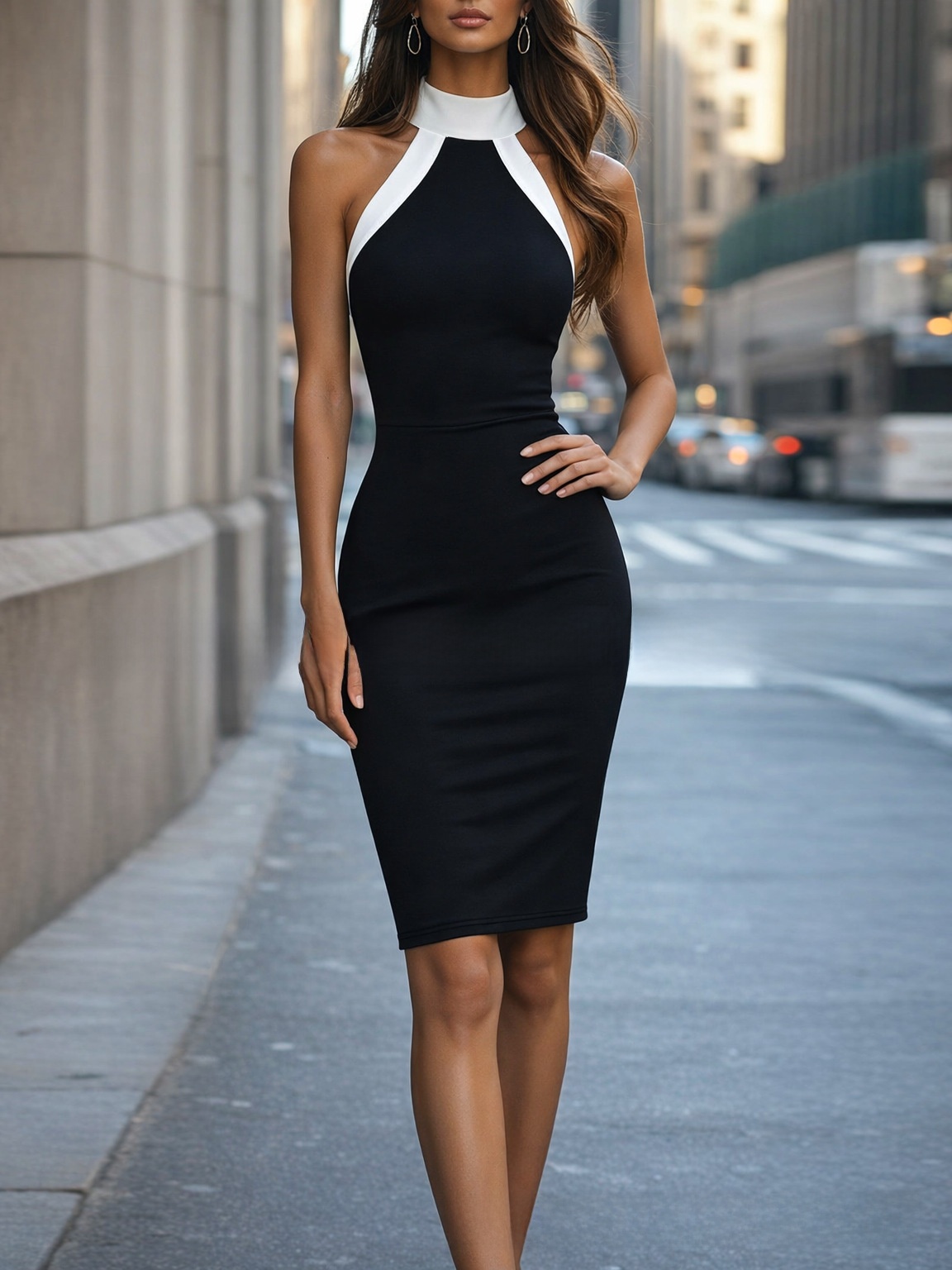
Colour blocking makes seam placement and proportion easy to read at a glance.
When a Dress Almost Fits: Alterations Worth Making and Ones to Skip
Few dresses fit perfectly off the rack, and knowing what is worth altering saves both money and frustration. Hem adjustments are the simplest and most commonly worthwhile: shortening or lengthening is usually straightforward on a simple skirt. Taking in side seams, adjusting the waist, and shortening straps are also typical tailoring tasks, though results depend on how the dress was constructed and how much seam allowance exists.
Be cautious about alterations that change structure: reshaping shoulders, resizing armholes, or altering heavily detailed bodices with patchwork, lace or print placement. These can cost more than the dress is worth and may distort the design. As a rule, buy for the parts that are hard to change (shoulders and bust) and tailor the parts that are easy (hem, waist, straps). Specialist organisations such as the Costume Society publish material on garment history and construction, which can deepen your understanding of why certain seams and darts are placed as they are.
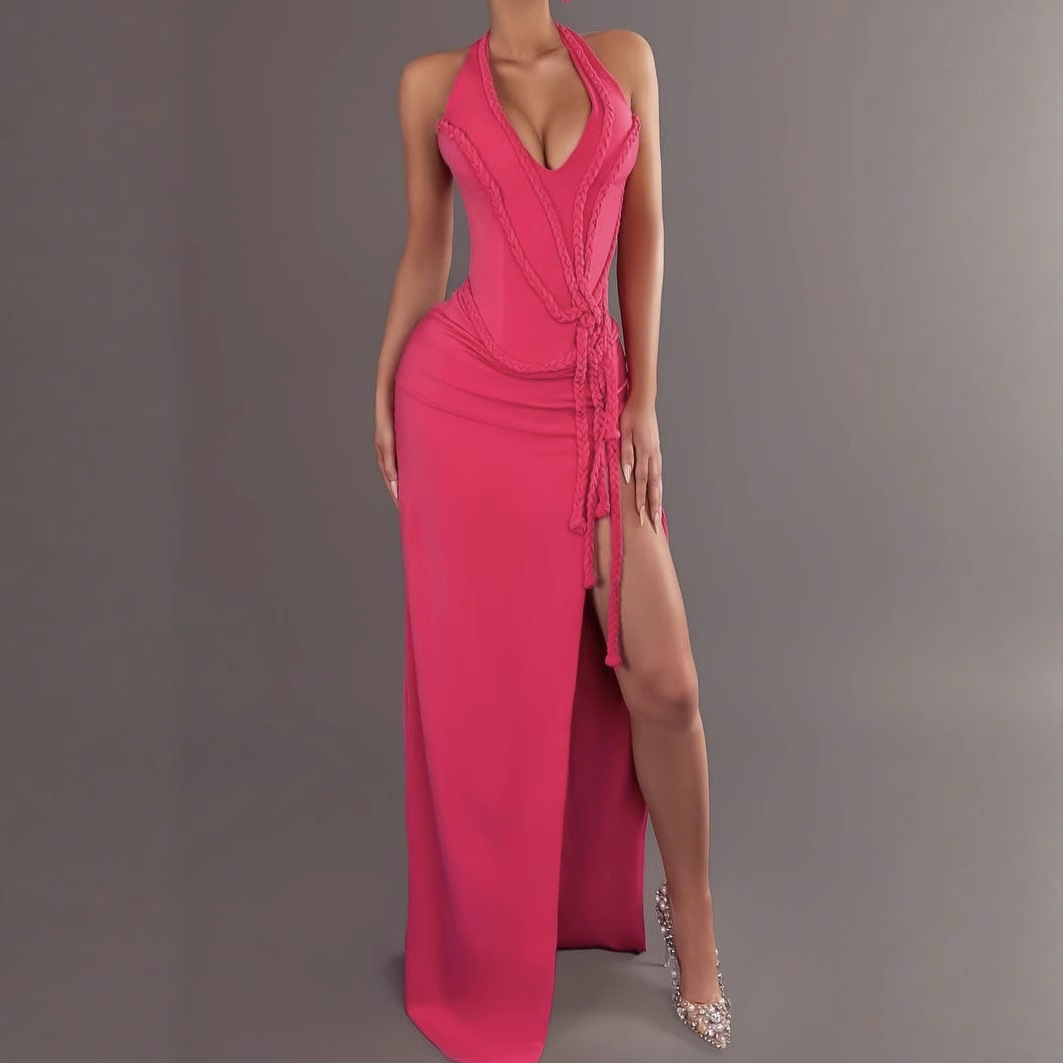
The Roxane Party Hollow Out Backless Long Bandage Dress brings balanced proportion and clean silhouette lines to everyday and occasion styling.
If a dress needs more than two significant alterations to feel right, treat that as a sign it was cut for a different frame. Returning it and trying another shape often beats forcing the first one to work. For party and occasion pieces, it is worth considering how the fit holds up through a whole evening; a style such as the Roxane Party Hollow Out Backless Long Bandage Dress is the kind of close-cut design where you should test sitting, dancing and moving before committing, rather than judging it standing still.
If you are building an outfit around a fitted dress for a formal event, our guide to choosing a wedding guest dress without looking overdressed shows how fit and occasion work together. And to browse silhouettes with these principles in mind, the full women’s dresses collection is a good place to compare cuts side by side.
The Styling Takeaway
A well-fitted dress comes down to a short checklist you can run in under a minute: shoulder seams in the right place, side seams hanging straight, the waist seam where it was meant to sit, no strained wrinkles, and a hem that lands at a point that suits your leg and your shoes. When those details line up, almost any silhouette looks considered. Your next step is simple: pull one dress from your wardrobe, run it through that checklist in front of a mirror, and note exactly which point holds it back, so you know what to look for the next time you shop.